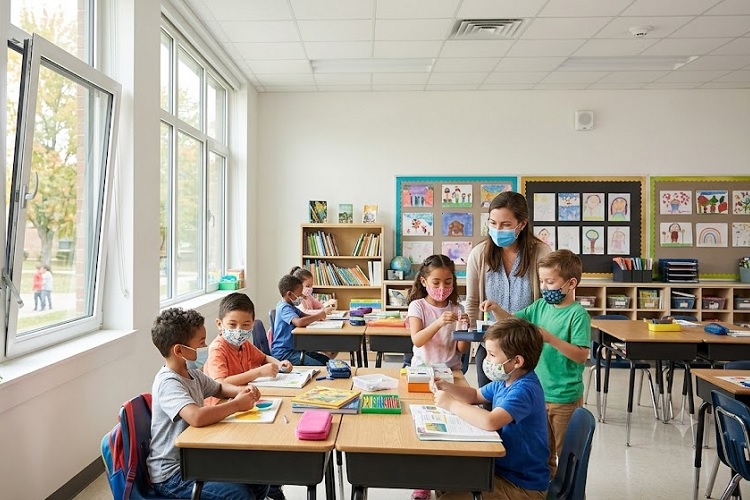
A new school year is the perfect time to create a healthier learning environment for students, teachers, and school staff. One of the most important factors is indoor air quality, as clean air supports better health, concentration, and overall well-being. Because students spend many hours inside classrooms, the quality of the air they breathe can directly affect learning, comfort, and attendance.
Moreover, schools bring together large groups of people every day. Therefore, maintaining clean indoor air helps reduce exposure to dust, allergens, pollutants, and airborne particles. While outdoor air pollution often receives more attention, the air inside buildings also deserves careful consideration.
Creating healthier classrooms does not always require major renovations. Instead, regular maintenance, proper ventilation, and simple daily practices can make a noticeable difference. As a result, schools can provide safer and more comfortable environments throughout the academic year.
Why Indoor Air Quality Matters in Schools
Maintaining good indoor air quality is essential because students and teachers spend much of their day inside school buildings. Therefore, the air inside classrooms can influence both physical health and academic performance.
Poor air quality may allow dust, allergens, mold spores, and other pollutants to build up indoors. Consequently, these pollutants may contribute to discomfort, allergy symptoms, headaches, or difficulty concentrating for some individuals.
Young children are often more sensitive to environmental conditions because their lungs are still developing. Additionally, students with asthma or allergies may experience more challenges when classroom air quality declines.
Teachers and school staff also benefit from healthier indoor environments. Cleaner air can support greater comfort, improve workplace wellness, and reduce distractions caused by poor environmental conditions.
Furthermore, healthy classrooms create better learning experiences by helping students remain focused and engaged throughout the school day.
Common Factors That Affect Indoor Air Quality
Several conditions can influence indoor air quality inside educational facilities. Therefore, understanding these factors helps schools create healthier indoor environments.
Ventilation is one of the most important elements. Fresh outdoor air helps remove indoor pollutants while improving overall air circulation. However, poorly ventilated classrooms may allow contaminants to accumulate over time.
Dust and allergens also affect classroom environments. Carpets, furniture, books, and ventilation systems can collect dust that becomes airborne during daily activities.
Moisture presents another concern. Water leaks or excessive humidity may encourage mold growth, which can negatively affect indoor air conditions. Therefore, schools should address moisture problems quickly.
Cleaning products also influence air quality. Choosing appropriate products and using them correctly helps reduce unnecessary chemical exposure while maintaining clean facilities.
Additionally, classroom equipment, printers, art supplies, and science materials may release airborne particles or odors. Proper storage and ventilation help reduce their impact.

Improving Indoor Air Quality Through Better Ventilation
Proper ventilation remains one of the most effective ways to improve indoor air quality throughout schools. Fresh air circulation helps remove indoor pollutants while maintaining healthier classroom environments.
Heating, ventilation, and air conditioning systems should receive regular inspections and maintenance. Clean filters improve system performance while reducing airborne particles. Therefore, replacing filters on schedule supports better indoor conditions.
Opening windows, when weather and building conditions allow, can also improve airflow. Additionally, using properly designed ventilation systems helps balance fresh outdoor air with indoor comfort.
Schools should also ensure that air vents remain clean and unobstructed. Furniture, storage boxes, or classroom materials should not block airflow because restricted ventilation reduces system efficiency.
Furthermore, maintaining proper humidity levels helps create healthier indoor environments while reducing mold growth.
Daily Practices That Support Indoor Air Quality
Simple daily habits can significantly improve indoor air quality throughout the school year. Although large building systems are important, everyday maintenance also contributes to cleaner classrooms.
Regular cleaning removes dust before it accumulates. Additionally, using high-quality cleaning methods helps prevent particles from becoming airborne during routine maintenance.
Schools should encourage proper waste disposal to reduce odors and maintain sanitary conditions. Likewise, minimizing clutter makes cleaning easier while reducing areas where dust may collect.
Plants may improve classroom appearance, but schools should select varieties carefully and maintain them properly. Overwatering plants may increase moisture levels, so regular care remains important.
Teachers can also encourage healthy classroom habits by keeping learning spaces organized and reporting maintenance concerns promptly.
Moreover, school administrators should develop maintenance schedules that include ventilation inspections, filter replacements, and moisture monitoring throughout the year.
How Indoor Air Quality Supports Student Health
Healthy indoor air quality contributes to a positive learning environment by supporting student comfort and wellness. Therefore, maintaining clean air can become an important part of overall school health initiatives.
Students often learn more effectively when they feel comfortable in the classroom. Cleaner air may help reduce distractions caused by unpleasant odors, excessive dust, or uncomfortable environmental conditions.
Additionally, students with respiratory conditions may benefit from cleaner indoor environments. Schools that prioritize healthy air demonstrate their commitment to student well-being.
Teachers also experience advantages from improved classroom conditions. Better air quality can support greater comfort during long instructional hours while creating more enjoyable working environments.
Parents also appreciate schools that invest in student health. Consequently, maintaining healthy indoor environments strengthens community confidence in educational facilities.
The Role of Air Filtration and Building Maintenance
Modern filtration systems play an important role in maintaining indoor air quality. High-quality air filters help capture many airborne particles before they circulate throughout school buildings.
However, even the best filtration systems require regular maintenance. Dirty or clogged filters reduce efficiency and may increase energy consumption. Therefore, scheduled maintenance remains essential.
Building inspections also help identify issues before they become larger problems. Roof leaks, plumbing concerns, damaged ventilation equipment, or excessive humidity should receive prompt attention.
Additionally, schools should evaluate classroom occupancy and ventilation capacity. As student populations grow, ventilation systems may require updates to maintain healthy air circulation.
Preventive maintenance protects both building performance and indoor environmental quality throughout the school year.
Creating Long-Term Healthy Learning Environments
Improving indoor air quality requires ongoing attention rather than one-time improvements. Therefore, schools benefit from developing long-term environmental management strategies.
School leaders can create maintenance plans that include regular inspections, staff training, and environmental monitoring. Additionally, educating students about healthy classroom habits encourages shared responsibility.
Technology also supports healthier school environments. Modern ventilation controls, energy-efficient HVAC systems, and improved air filtration continue advancing indoor environmental quality.
Furthermore, collaboration between administrators, teachers, maintenance staff, and families strengthens overall school wellness efforts.
By making indoor air quality a continuing priority, schools can provide healthier environments that support both education and well-being.
Supporting a Healthier School Year with Cleaner Indoor Air
Preparing for a successful school year involves more than purchasing supplies or updating lesson plans. Creating safe, comfortable learning environments also requires attention to indoor air quality, which plays a vital role in student health, teacher wellness, and classroom performance.
Through proper ventilation, regular maintenance, effective air filtration, and healthy daily practices, schools can reduce indoor pollutants while supporting better learning conditions. Moreover, consistent environmental care helps students stay focused, comfortable, and ready to learn throughout the academic year.
As schools continue prioritizing wellness, improving indoor air quality remains one of the most valuable investments in creating healthier educational environments for every student and educator.