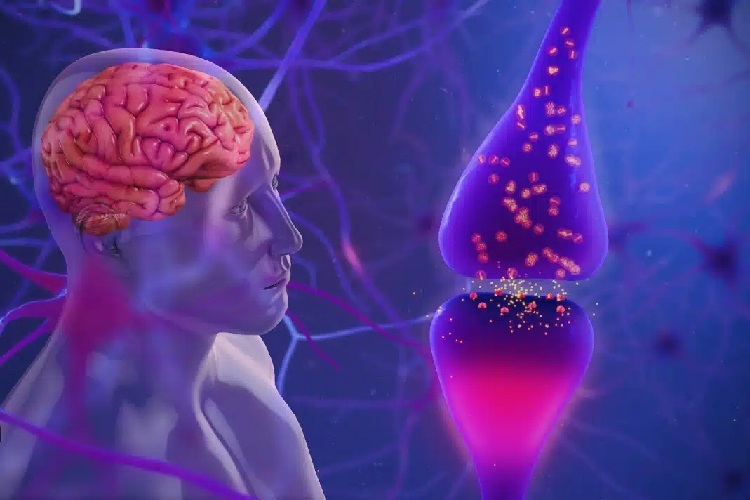
Living with Parkinson’s disease can feel overwhelming. However, Deep Brain Therapy is changing lives in a powerful way. It helps patients regain movement, reduce tremors, and improve daily routines. As a result, many people now live with more freedom and confidence.
This advanced treatment offers hope. It also gives patients control over symptoms that once felt impossible to manage. Therefore, understanding how it works can help families make informed choices.
Understanding Parkinson’s Disease and Its Challenges
Parkinson’s disease affects the brain. It slowly reduces the ability to control movement. As a result, patients often face tremors, stiffness, and balance issues. The condition does more than affect movement. It also impacts mood, sleep, and energy levels. Therefore, daily life becomes harder over time.
Traditional treatments help at first. Yet, medications may lose effectiveness. Because of this, many patients seek better options like Deep Brain Therapy.
What Is Deep Brain Therapy?
Deep Brain Therapy is a modern medical treatment. Doctors also call it deep brain stimulation (DBS). It uses small electrical signals to regulate brain activity.
During the procedure, surgeons place thin wires in specific brain areas. Then, a small device sends signals to control abnormal activity. As a result, symptoms reduce significantly. This therapy does not cure Parkinson’s. However, it improves quality of life. Therefore, patients can move better and feel more independent.
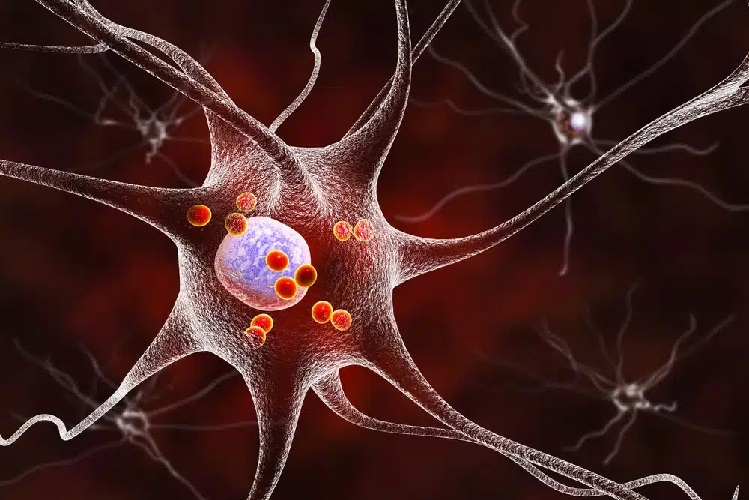
How Deep Brain Therapy Works
The process is precise. First, doctors identify the brain areas causing symptoms. Next, they implant electrodes in those areas. Then, a small device placed in the chest sends signals to the brain. These signals adjust brain activity. As a result, tremors reduce. Also, stiffness improves. Therefore, patients gain better control over movement. Moreover, doctors can adjust the device settings. Because of this, treatment stays flexible and personalized.
Benefits of Deep Brain Therapy
Improved Movement Control
Patients experience fewer tremors. They also notice smoother movement. Therefore, daily tasks become easier.
Reduced Medication Dependence
Many patients take fewer drugs after treatment. As a result, side effects decrease. This improves overall health.
Better Quality of Life
Patients feel more confident. They can walk, eat, and write more easily. Therefore, independence increases.
Long-Term Relief
Unlike medications, Deep Brain Therapy offers consistent results. Because of this, patients enjoy lasting improvements.
Real-Life Impact: A Story of Strength
One inspiring case highlights the power of Deep Brain Therapy. A woman living with Parkinson’s struggled with severe tremors. Over time, simple tasks became difficult. However, after undergoing therapy, her life changed. She regained control of her movements. She also returned to activities she loved.
As a result, she felt stronger and more independent. Her story shows how this treatment can restore hope.
Who Can Benefit from Deep Brain Therapy?
Not every patient qualifies. However, many people with advanced Parkinson’s benefit from this treatment.
Doctors usually recommend it when:
- Medications no longer work well
- Symptoms interfere with daily life
- Tremors become severe
Therefore, early consultation is important. It helps determine the right time for treatment.
Risks and Considerations
Like any surgery, this therapy carries risks. However, serious complications are rare.
Possible risks include:
- Infection
- Bleeding
- Device issues
Despite this, most patients recover well. Therefore, benefits often outweigh risks.
Doctors carefully evaluate each patient. As a result, they ensure safety and success.
Life after Deep Brain Therapy
Recovery takes time. However, many patients notice improvements within weeks. Doctors adjust the device gradually. As a result, symptoms continue to improve. Patients also need follow-up visits. These ensure the device works properly. Therefore, long-term care remains important.
Moreover, therapy helps patients return to daily routines. They regain independence and confidence.
The Future of Parkinson’s Treatment
Medical science continues to evolve. Researchers are improving Deep Brain Therapy techniques. As a result, treatments are becoming safer and more effective. New technologies may offer even better results. Therefore, the future looks promising for Parkinson’s patients.
Why Deep Brain Therapy Matters
Living with Parkinson’s can feel limiting. However, Deep Brain Therapy offers a new path. It restores movement, reduces symptoms, and improves life quality. This treatment does more than manage symptoms. It gives patients control. Therefore, they can live fuller, more active lives. Parkinson’s disease presents many challenges. However, medical advances bring hope. Deep Brain Therapy stands out as a life-changing option.
It helps patients move better. It also boosts confidence and independence. Therefore, it remains one of the most effective treatments available today. For those struggling with symptoms, exploring this option can be a turning point. With the right care, a better life is possible.