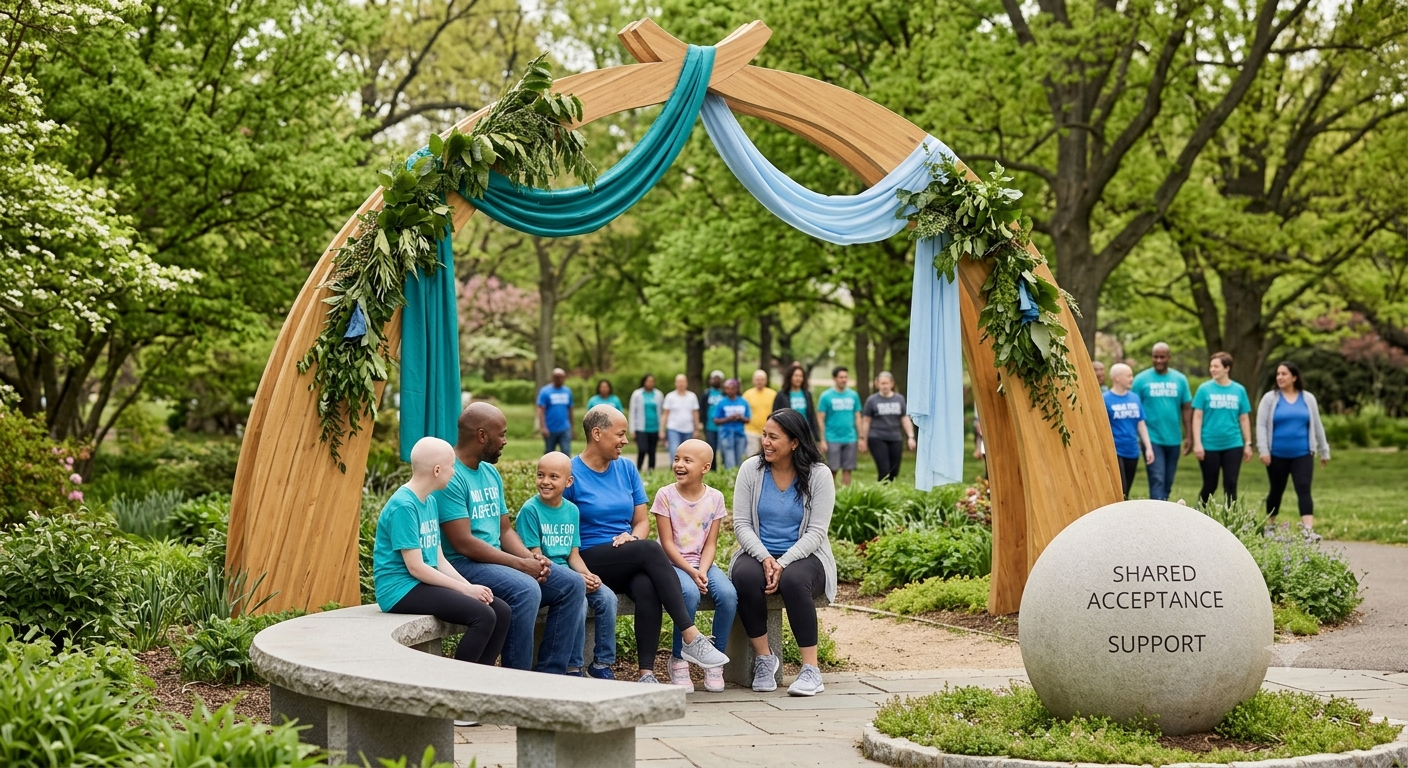
Alopecia areata can change much more than a person’s hair. Because the condition can cause unpredictable hair loss, it may also affect confidence, identity and emotional well-being. However, the Walk for Alopecia offers a space where people can meet others who understand these challenges. The event brings families, children, volunteers and advocates together while creating a stronger sense of community.
Moreover, the event helps people recognize that they do not have to face alopecia alone. Instead, participants can share experiences, build friendships and find encouragement. Therefore, the walk becomes more than a fundraising event. It becomes a shared experience centered on acceptance and connection.
How the Walk for Alopecia Brings People Together
For many participants, attending the event for the first time can bring mixed emotions. Some people may feel nervous about being surrounded by a large group. Others may feel excited to finally meet people with similar experiences. However, those feelings can quickly change after arriving. Participants often see children and adults who live with alopecia and understand the daily challenges that can come with visible hair loss. As a result, people who once felt different can begin to feel accepted.
For families, this connection can be especially meaningful. Parents may spend considerable time searching for information after a child receives an alopecia areata diagnosis. Consequently, meeting other families can provide emotional support and reassurance. The Walk for Alopecia also creates opportunities for people to form local connections. Participants can meet others in their area and continue those relationships beyond the event. Whether they share a meal, take another walk or simply talk, these connections can help reduce feelings of isolation.
Walk for Alopecia Can Support Confidence and Acceptance
Alopecia areata often creates uncertainty. Hair loss can happen suddenly, and its course can be difficult to predict. Therefore, people may struggle with questions about appearance, social situations and their future. Nevertheless, acceptance can grow when people find a supportive community. The experiences shared through the Walk for Alopecia show how connection can help people focus on who they are rather than only on what they have lost. For example, some participants have described how the event helped their families move toward greater acceptance. Instead of seeing alopecia only as a difficult diagnosis, they began to recognize the confidence, friendships and community that could come from the experience.
Likewise, children can benefit from seeing others who look like them. When young people meet peers with alopecia, they can understand that they are not alone. This experience may also help them feel more comfortable discussing their condition with others. Furthermore, adults can find renewed confidence by sharing their stories. Speaking openly can reduce shame and encourage self-acceptance. In this way, community support becomes an important part of the emotional journey.
The Walk for Alopecia Highlights Hope and Progress
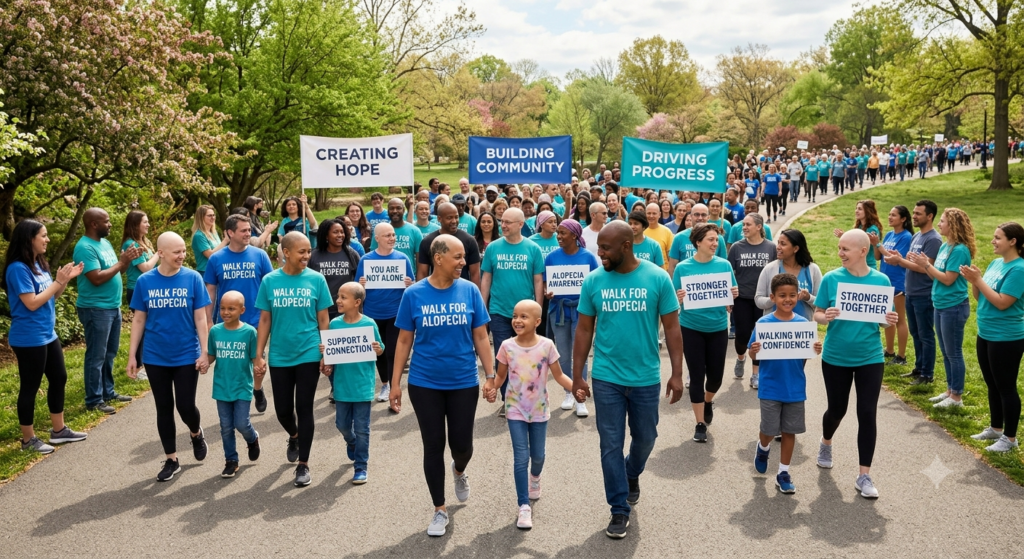
The event also focuses on the future. The 2026 campaign theme is “Creating Hope. Building Community. Driving Progress.” These three ideas work together. Hope can encourage people to keep moving forward, while community can give them strength. At the same time, a united community can raise awareness and support progress. Additionally, awareness can help the public understand alopecia areata as an autoimmune condition rather than simply a cosmetic issue. Greater understanding may reduce unwanted attention and stigma.
The event also highlights the importance of continued research and support. Participants and advocates want better treatment options, greater visibility and improved support for people living with alopecia. Therefore, fundraising and awareness efforts can contribute to broader conversations about the condition. Moreover, public events can make an invisible emotional struggle easier to understand. When more people hear real stories, they may become more compassionate toward those experiencing hair loss.
Why the Walk for Alopecia Matters to Families
A diagnosis of alopecia areata can affect an entire family. Parents may feel uncertain about how to support their child. Meanwhile, children may have questions about their changing appearance and how others will respond. However, community events can provide families with practical and emotional encouragement. Parents can connect with other parents, while children can meet peers who share similar experiences. This shared environment can make difficult conversations feel easier.
The Walk for Alopecia also gives families an opportunity to celebrate individuality. Instead of allowing hair loss to define a person, the event encourages participants to recognize their strengths, relationships and personal identity. Furthermore, family participation can help children see support in action. When relatives, friends and community members participate together, they send a clear message: alopecia does not make someone less worthy of friendship, respect or happiness.
A Message of Strength for People With Alopecia
The story behind the Walk for Alopecia carries a simple message: a diagnosis does not have to define someone’s entire life. Although adjusting to hair loss can take time, support can make the process easier. People newly diagnosed with alopecia areata may experience many emotions. Therefore, giving themselves time to process those feelings is important. At the same time, reaching out to others can provide valuable encouragement. The event also reminds participants to practice self-kindness. Confidence does not always appear immediately. Instead, it can develop through small steps, supportive relationships and positive experiences.
Ultimately, awareness events help create a wider understanding of alopecia areata. They show that people living with hair loss deserve visibility, compassion and community. By sharing their stories, participants can also help others feel less alone. The Walk for Alopecia demonstrates how a community can turn a difficult experience into an opportunity for connection and advocacy. As awareness continues to grow, these conversations can encourage greater acceptance and support. Above all, the event reminds people living with alopecia that they have a community standing beside them.