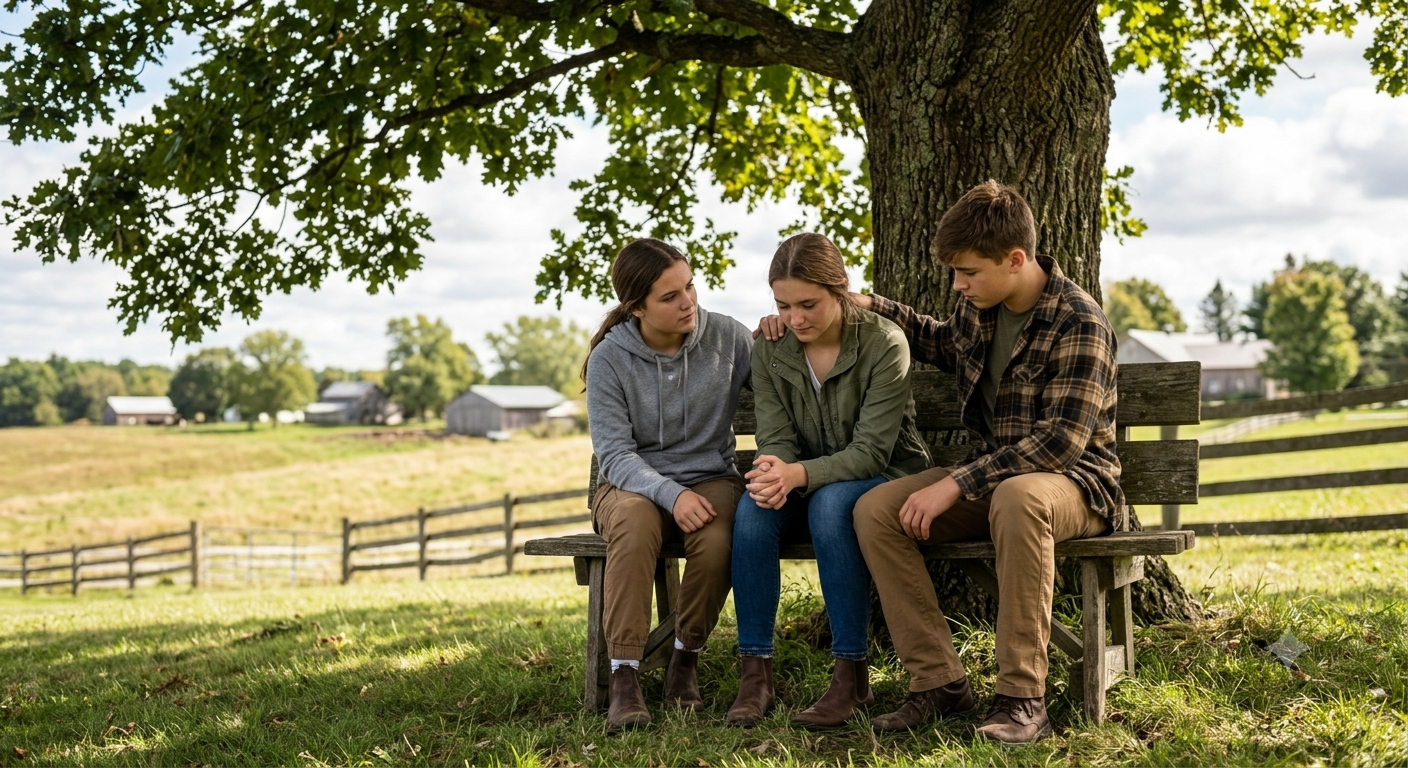
Young people face many challenges as they grow. School pressure, social expectations, family concerns, and worries about the future can affect their emotional well-being. However, these challenges can become harder to manage when young people live in rural communities. Access to care may be limited, while long travel distances and social stigma can make asking for help difficult. Therefore, improving mental health for rural youth requires support that is simple, accessible, and free from judgment.
According to information cited in the original article, the suicide rate among rural youth ages 15 to 19 is 74% higher than among their urban counterparts. Rural communities may also face barriers such as limited insurance coverage, fewer mental health providers, unreliable internet for telehealth, long travel times, and limited public transportation.
These challenges do not mean rural teenagers lack strength. Instead, they show why communities need better ways to connect young people with care. Fortunately, parents, teachers, healthcare providers, friends, and community leaders can all play a role.
Why Mental Health for Rural Youth Needs Attention
Rural life can offer many benefits. Young people may grow up in close communities where neighbors know and support one another. However, these same close connections can sometimes make privacy harder to maintain. A teenager may worry that friends, relatives, teachers, or neighbors will learn about their personal struggles. Furthermore, some rural communities have fewer mental health professionals. A teenager who wants to speak with a counselor may need to travel a long distance. For families without reliable transportation, that journey can become another major barrier.
Telehealth can help in some cases. However, poor internet access may make online appointments difficult. Insurance limitations can also prevent families from receiving consistent care. At the same time, mental health concerns can affect teenagers in many different ways. A young person may become withdrawn, lose interest in activities, experience major changes in mood, or struggle at school. Some may also turn to alcohol or drugs to cope with emotional pain. Therefore, early conversations matter. Adults should create an environment where young people can talk without fear of embarrassment or punishment.

1. Strengthen Mental Health for Rural Youth by Reducing Stigma
One of the most important steps is to make conversations about mental health normal. In some communities, asking for emotional support may still be viewed as a weakness. Young people may believe they should handle problems on their own. As a result, they may hide their feelings until their problems become more serious. Parents and caregivers can help change this attitude. Instead of dismissing a teenager’s concerns, they can listen calmly. Simple questions such as “How have you been feeling lately?” or “Is something making school harder right now?” can open the door to an honest conversation.
Likewise, teachers and coaches can create safe spaces for students. They can remind young people that stress, sadness, anxiety, and other emotional challenges deserve attention. They can also provide information about available support. Most importantly, adults should avoid judgment. Telling a teenager to simply “get over it” can make them less likely to speak again. Instead, listening with patience can help them feel respected. Sharing appropriate personal experiences can also reduce stigma. When adults explain that seeking help is a responsible choice, teenagers may feel less ashamed about their own struggles.
Schools and community groups can support this effort as well. Workshops, discussions, and youth programs can teach teenagers about coping skills and emotional wellness. Over time, these efforts can make it easier for young people to ask for help.
2. Offer Simple Tools for Youth Mental Wellness
Not every teenager is ready to meet with a therapist. Some may feel nervous about starting professional treatment. Others may face practical barriers that make regular appointments difficult. For this reason, simple self-guided resources can provide a useful first step. The Rural Youth Mental Wellness Program, highlighted in the source article, includes Single-Session Interventions, or SSIs. These are short, structured online programs designed to teach practical mental wellness skills.
The program works with Project YES, a free digital resource developed with Northwestern University’s Lab for Scalable Mental Health. The materials are designed to be anonymous and accessible, which may help young people take their first step toward support. The available sessions cover several areas. For example, young people can learn strategies related to improving mood, challenging negative thoughts, managing body image concerns, setting goals, and handling difficult emotions.
Some resources also address self-harm urges and staying safe during periods of intense emotional distress. These topics are especially important because a teenager may not feel comfortable discussing them with someone face to face. However, self-guided tools should not replace professional care when serious symptoms are present. Instead, they can help young people develop useful skills while making support feel less intimidating. Small steps can matter. A teenager who completes a short session today may feel more prepared to speak with a trusted adult tomorrow.
3. Know When Mental Health for Rural Youth Requires Professional Help
Support from family, friends, teachers, and online resources can make a meaningful difference. Still, some situations require professional attention. Adults should take major changes in a young person’s behavior seriously. A teenager who suddenly withdraws from family or friends may need support. Similarly, ongoing sadness, severe mood changes, substance use, self-harm, or difficulty handling normal daily activities can indicate a deeper concern.
Statements about hopelessness or death should never be ignored. Even when an adult is unsure how serious the situation may be, listening and seeking help is the safer choice. A healthcare professional can assess the teenager’s needs and recommend appropriate care. Depending on the situation, this may include counseling, therapy, medical care, or crisis support.
For people in the United States, the 988 Suicide & Crisis Lifeline provides free, confidential support 24 hours a day. Young people experiencing an immediate crisis should receive prompt help rather than being left alone. Parents and caregivers should also remember that asking for professional help is not a failure. Mental health deserves the same attention as physical health. Getting support early can make it easier for a young person to manage challenges before they become overwhelming.
Creating Stronger Support Systems for Rural Teens
Improving mental health for rural youth requires more than one solution. It takes cooperation between families, schools, healthcare providers, community organizations, and young people themselves. Schools can help by identifying trusted adults whom students can approach. They can also share information about local and online resources. Furthermore, teachers can learn how to recognize signs that a student may need additional support.
Healthcare providers can also help by asking young patients about emotional well-being during routine visits. A simple conversation can identify concerns that might otherwise remain hidden. Community leaders have a role as well. Local organizations can host youth activities that encourage connection and belonging. Safe social spaces can help teenagers build friendships and reduce feelings of isolation.
Parents can create healthy routines at home. Regular sleep, physical activity, balanced meals, time outdoors, and positive social connections can all support general well-being. These habits do not replace treatment, but they can complement professional care. Young people should also have a voice in how mental health programs are designed. The Rural Youth Mental Wellness initiative was developed with input from rural youth, helping ensure that its resources address real experiences and concerns. That approach is important because teenagers understand many of the pressures they face better than adults may realize.
Making Support Easier to Reach
Geography should not determine whether a teenager can access mental health support. Yet distance, transportation, internet access, cost, and stigma can still create serious barriers in rural communities. That is why flexible solutions are important. Free online resources can provide an entry point. School-based support can reduce travel concerns. Community education can make conversations easier. Professional services can then provide more specialized care when needed.
Parents should also avoid waiting for a crisis before discussing emotional health. Regular conversations can make support feel like a normal part of growing up. Most importantly, adults should listen before trying to solve every problem. A teenager may not need an immediate answer. Sometimes, they first need to know that someone cares and is willing to stay with them through a difficult moment. The goal is not to remove every challenge from a young person’s life. Instead, it is to make sure they do not have to face those challenges alone.
Helping Rural Youth Take the Next Step
Supporting mental health for rural youth starts with simple actions. Talk openly about emotional well-being. Listen without judgment. Share reliable resources. Encourage healthy coping skills. Most importantly, recognize when professional support is needed. The original article highlights three practical approaches: reducing stigma, offering brief self-guided interventions, and knowing when to seek professional care.
Together, these steps can create a stronger safety net for rural teenagers. They can also help young people understand that reaching out is a sign of courage rather than weakness. Every teenager deserves the chance to feel heard, supported, and valued. With the right resources and caring adults around them, rural youth can develop healthier ways to manage stress and face difficult moments. Support does not always begin with a major intervention. Sometimes, it begins with one conversation, one trusted person, or one small step toward getting help.