Modern medicine has made incredible strides over the past few decades. However, geography has historically played a massive role in determining patient outcomes. For generations, patients diagnosed with complex malignancies faced a difficult dilemma. They often had to choose between staying close to their families or traveling hundreds of miles to major academic hubs for advanced treatment. Fortunately, the landscape of cancer care access is experiencing a fundamental transformation. Today, breakthrough innovations like radioligand therapy are bridging the gap between big city research centers and local community clinics.
The Evolution of Precision Oncology
Medical science has moved far beyond the traditional one-size-fits-all approach to treating tumors. Researchers now understand that every malignancy possesses a unique biological signature. Therefore, modern treatments focus heavily on targeted mechanisms that seek out specific cellular markers. Consequently, physicians can administer powerful doses of medication directly to diseased cells while sparing healthy tissue. As a result, patients experience fewer severe side effects compared to traditional systemic chemotherapy regimens. Furthermore, these precision methods are rapidly becoming standard protocols in leading oncology guidelines across the country.
Understanding Radioligand Therapy
At the forefront of precision medicine is an innovative approach known as radioligand therapy. This treatment pairs a cancer-seeking molecule with a tiny radioactive particle. Therefore, it functions much like a trained tracking dog following a specific scent through the bloodstream. Once the molecule identifies a designated target on a tumor cell, it latches on securely. Subsequently, it delivers localized radiation directly to the target area. Because the radioactive payload stays focused on the diseased tissue, the surrounding healthy organs remain largely unaffected. Therefore, patients often maintain a higher quality of life during their treatment cycles.
Overcoming Geographic Barriers in Medicine
Historically, cutting-edge therapies were restricted exclusively to major university hospitals and specialized coastal institutions. Therefore, individuals living in rural or suburban areas had to endure exhausting weekly commutes for basic procedures. However, the expansion of local cancer care access has changed this reality entirely. Healthcare organizations have actively worked to decentralize advanced technologies so that patients can receive treatment in their own neighborhoods. Consequently, thousands of individuals no longer need to disrupt their daily routines or abandon their support networks just to receive specialized medical interventions.
Bringing Advanced Treatments to Community Centers
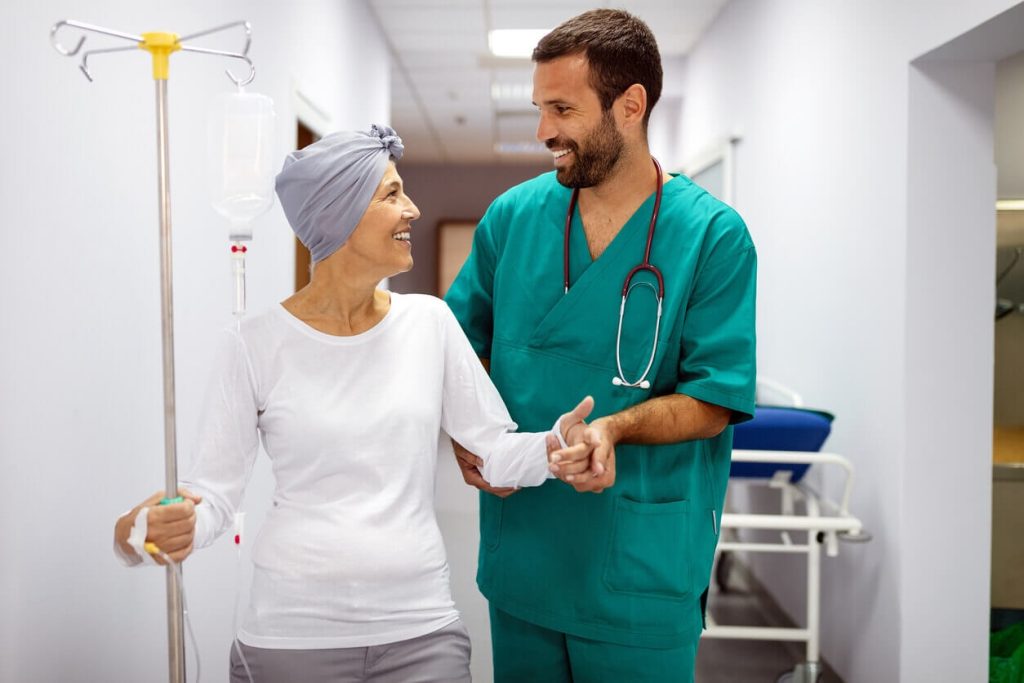
The expansion of localized medical infrastructure relies heavily on community oncology networks. These localized networks ensure that advanced therapeutics are not trapped behind the walls of distant research facilities. Instead, trained physicians in local clinics can administer complex treatments safely and effectively. Moreover, this decentralization allows local care teams to coordinate surgical options, systemic therapies, and radiation under one roof. Thus, patients receive comprehensive, holistic support without ever leaving their hometown medical providers.
Expanding Nationwide Availability
Recent data highlights an unprecedented boom in local treatment availability across the United States. Since the introduction of the first targeted radioligand therapies, the number of approved treatment sites has multiplied dramatically. Therefore, a vast majority of eligible patients now live within a short driving distance of a certified treatment facility. This rapid expansion proves that pharmaceutical innovators and local healthcare providers are deeply committed to improving cancer care access nationwide. Consequently, specialized care is shifting from an exclusive luxury into a widely available standard utility.
Answering Patient Questions About New Therapies
Receiving a complex medical diagnosis naturally triggers numerous questions and anxieties. Therefore, oncologists take time to address core patient concerns before initiating any new therapeutic plan. Primarily, patients want to know whether a specific treatment will work for their unique condition. Additionally, they frequently ask about safety protocols, radiation exposure for family members, and day-to-day side effects. Fortunately, transparent communication from local medical teams helps alleviate these fears. Furthermore, knowing what to expect during each phase empowers individuals to take an active role in their healing journey.
Preserving Quality of Life During Treatment
Undergoing a rigorous medical regimen often takes a severe toll on a patient’s physical and emotional well-being. Therefore, minimizing logistical stressors is just as important as the clinical efficacy of the medication itself. When individuals can drive ten minutes to a local clinic rather than flying across state lines, their recovery improves. Consequently, they sleep in their own beds, eat home-cooked meals, and spend precious evenings with their children. Moreover, the presence of an active local support system provides immense emotional resilience during difficult treatment weeks.
The Vital Role of Caregiver Support Networks
No patient fights a serious illness entirely alone. Family members, friends, and local community groups form an essential safety net throughout the healing process. However, distant travel often strains these vital interpersonal connections. By prioritizing localized cancer care access, healthcare providers ensure that caregivers can maintain their own jobs and daily routines. Therefore, families can remain unified, offering mutual strength and continuous encouragement without the financial burden of long-distance medical tourism.
Future Directions in Precision Oncology
Medical research never stands still, and clinical trials continue exploring new applications for targeted therapies. Scientists are actively investigating how radioligand treatments might benefit additional types of malignancies in the near future. Therefore, the scope of community oncology will only continue to broaden. As these therapies become more versatile, local clinics will remain fully equipped to administer them. Consequently, the ongoing evolution of cancer care access promises an even brighter, more equitable future for patients everywhere.
Ensuring Quality Without Compromise
Some skeptics historically worried that decentralized clinics might offer lower standards of medical supervision compared to academic giants. However, rigorous training programs and standardized protocols have thoroughly dismantled that misconception. Local oncologists undergo specialized certifications to administer advanced radioligand treatments safely. Therefore, patients receive the exact same high-caliber medical expertise locally that they would find in major metropolitan hospitals. Ultimately, geographic location no longer dictates the safety, precision, or overall quality of modern medical interventions.
Moving Forward With Confidence
True medical innovation only matters if the people who need it can actually reach it. Therefore, breaking down geographic barriers remains one of the most significant triumphs in contemporary medicine. Patients diagnosed with complex conditions no longer need to sacrifice their personal comfort or family time to pursue healing. Instead, they can embrace advanced therapies right where they live. By continuously improving cancer care access for everyone, the medical community honors its ultimate promise: delivering compassionate, personalized care to every patient regardless of their zip code.