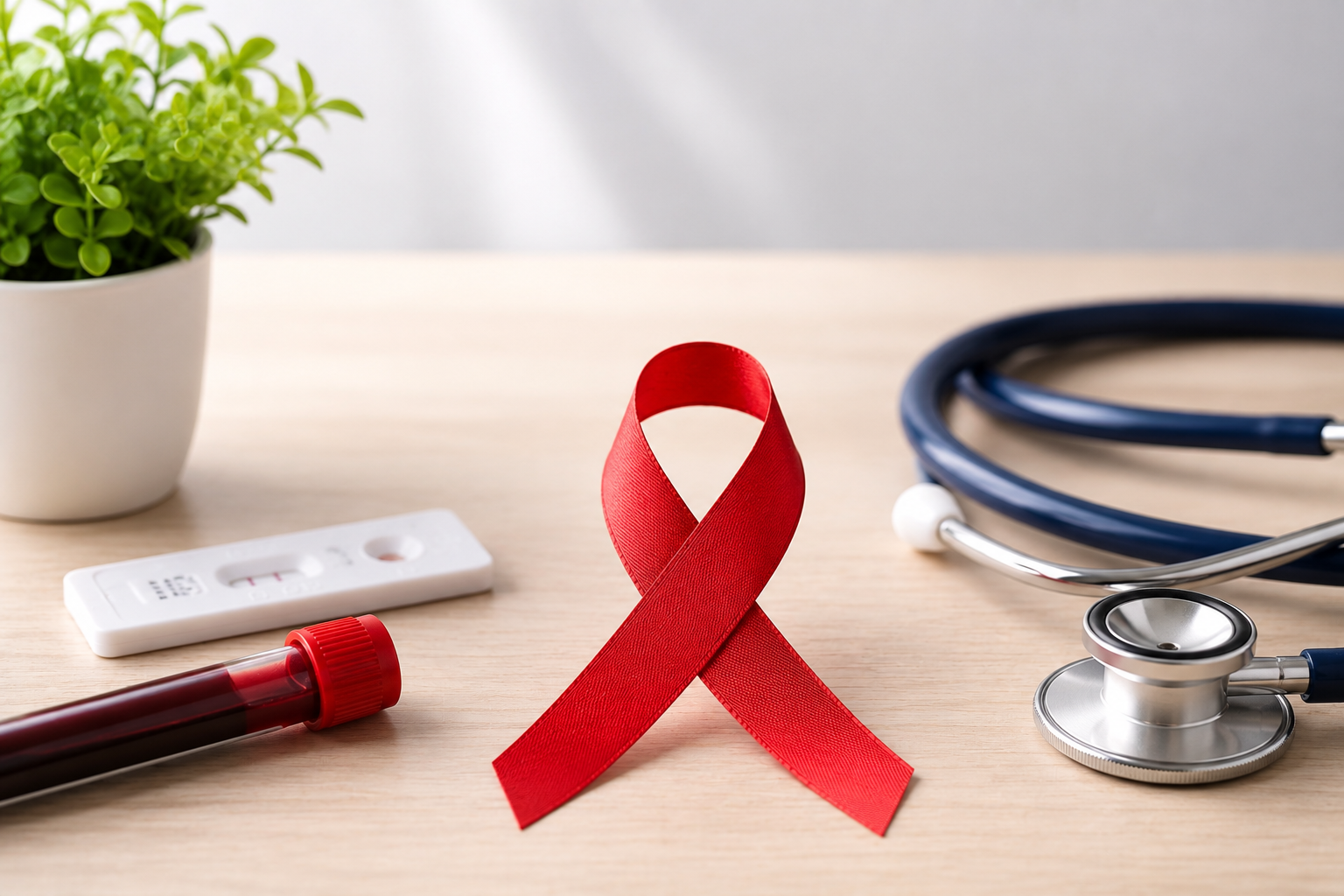
HIV is no longer the life-threatening diagnosis it once was. Today, medical advances allow many people with HIV to live long and healthy lives. However, early diagnosis remains very important. HIV testing and treatment can help people understand their health status, start care at the right time, and protect their long-term well-being. In addition, effective treatment can lower the amount of HIV in the body to an undetectable level. When a person maintains an undetectable viral load, they do not transmit HIV through sex. This concept is known as U=U, or Undetectable = Untransmittable.
For that reason, learning about HIV testing, treatment, and ongoing care can reduce fear and confusion. Moreover, accurate information can help people make informed health decisions. HIV affects the immune system, but modern medicines can control the virus. Therefore, a positive diagnosis does not mean that a person cannot live a fulfilling life.
Why HIV testing and treatment Matter
HIV can develop without causing clear symptoms for a long time. As a result, a person may have the virus without knowing it. They may also unknowingly pass it to another person. Therefore, testing remains one of the most important steps in HIV prevention and care. An HIV test can identify whether a person has the virus. Depending on the test used, a sample may come from blood or oral fluid. Some tests can provide results quickly, while others require laboratory analysis. However, a reactive screening result does not always mean that a person definitely has HIV. Additional testing is needed to confirm the diagnosis.
Once HIV is confirmed, starting treatment can help protect the immune system. Modern HIV medicines are called antiretroviral therapy, or ART. These medicines do not currently cure HIV. However, they can control the virus and reduce its ability to damage the immune system. Furthermore, treatment helps people reach and maintain viral suppression. This means the amount of HIV in the blood becomes very low. With consistent treatment, many people can reach an undetectable viral load. Therefore, early testing and timely medical care can make a major difference.
Understanding HIV and How It Affects the Body
HIV stands for human immunodeficiency virus. The virus attacks cells that help the immune system fight infections. Without treatment, HIV can gradually weaken the body’s natural defenses. However, HIV does not affect everyone in the same way. Some people may experience flu-like symptoms soon after infection. Others may have no noticeable symptoms at all. Therefore, symptoms alone cannot tell someone whether they have HIV. HIV infection can progress through different stages. During the early stage, the amount of virus in the body may rise quickly. Some people develop fever, sore throat, rash, swollen lymph nodes, or tiredness. Nevertheless, these symptoms can also occur with many other illnesses.
After the early stage, HIV may enter a chronic phase. During this period, a person may feel healthy. Yet, the virus can still remain active in the body. Without treatment, the immune system may become weaker over time. Eventually, untreated HIV can lead to AIDS, which stands for acquired immunodeficiency syndrome. However, effective treatment can prevent many people with HIV from reaching this stage. Therefore, diagnosis and care should begin as soon as possible.

Who Should Consider an HIV Test?
Anyone who may have been exposed to HIV should consider testing. In addition, routine testing can help people understand their status even when they feel completely healthy. Healthcare professionals may recommend HIV testing based on a person’s age, sexual activity, medical history, pregnancy status, or other risk factors. For example, people who have new or multiple sexual partners may benefit from regular testing. Likewise, people who share injection equipment should discuss testing and prevention with a healthcare provider. Pregnancy is another important time for HIV testing. Finding HIV early during pregnancy can help the mother receive appropriate care. It can also help reduce the risk of passing HIV to the baby.
Furthermore, anyone who thinks they may have recently been exposed should speak with a healthcare professional promptly. The timing of testing matters because tests may not detect HIV immediately after exposure. This period is often called the window period. Therefore, a negative result soon after a possible exposure may not always rule out infection. A healthcare provider can explain the right time for follow-up testing based on the type of test and the timing of exposure.
What Happens During an HIV Test?
HIV testing is usually simple and straightforward. The exact process depends on the test used. Some tests require a blood sample. A healthcare professional may collect blood from a vein or use a small finger-prick sample. Other tests use oral fluid collected from the mouth. Rapid tests may provide results during the same visit. However, laboratory-based tests may take longer. The healthcare provider or testing center can explain when and how results will be available.
Importantly, a person should understand what their result means. A negative result generally means the test did not find evidence of HIV. However, recent exposure may require repeat testing because of the window period. On the other hand, a reactive screening result needs confirmation. It should not be treated as a final diagnosis until the recommended follow-up testing is completed. Therefore, anyone receiving a reactive result should speak with a qualified healthcare professional. Proper counseling can help reduce anxiety and ensure that the person receives the right next steps.
Starting HIV testing and treatment After Diagnosis
Receiving an HIV diagnosis can feel overwhelming. However, people should know that effective treatment is available. The first step is to connect with a healthcare provider who has experience in HIV care. The provider may perform additional tests to understand the person’s overall health. These tests can include viral load testing and CD4 cell testing. The results help doctors understand how HIV is affecting the immune system and guide treatment decisions. Next, the healthcare team will discuss ART. Antiretroviral medicines work by stopping HIV from making more copies of itself. As a result, the amount of virus in the body can decrease.
Treatment plans vary from person to person. Doctors consider several factors when choosing medicines. These may include other health conditions, possible drug interactions, resistance testing, and individual needs. Most importantly, treatment works best when taken exactly as prescribed. Missing doses can make it harder to control the virus. Therefore, people should talk to their healthcare team before stopping or changing HIV medicines. Today, many treatment options are available. Some people take daily pills, while certain patients may qualify for long-acting injectable treatment. A healthcare provider can explain which options may be appropriate.
The Importance of Viral Load Monitoring
Viral load is the amount of HIV found in a person’s blood. It is one of the most important measurements used to monitor treatment. After starting ART, the viral load usually decreases. The goal is to reach viral suppression and, when possible, an undetectable level. However, undetectable does not mean that HIV has been completely removed from the body. Instead, it means that the virus is present at a level below the detection limit of the test being used. Therefore, treatment must continue even after the viral load becomes undetectable.
Regular medical appointments help healthcare providers monitor progress. Blood tests can show whether treatment is working effectively. They can also help identify problems early. In addition, maintaining an undetectable viral load has an important prevention benefit. According to the U=U principle, people with HIV who maintain an undetectable viral load do not transmit HIV through sex. This message is important because it challenges outdated beliefs about HIV. It also shows why treatment is valuable for both personal health and public health.
Living Well With HIV through Ongoing Care
An HIV diagnosis does not define a person’s entire life. With consistent medical care, people with HIV can work, study, build relationships, have families, and enjoy everyday activities. However, ongoing care remains important. Regular appointments allow healthcare providers to monitor viral load and overall health. They can also check for other infections or health conditions. Mental and emotional health also deserves attention. Some people may experience anxiety, sadness, fear, or stigma after receiving a diagnosis. Therefore, counseling and support groups can be valuable.
Moreover, people should feel comfortable discussing their concerns with their healthcare team. Questions about relationships, pregnancy, sexual health, medication side effects, and lifestyle are all important parts of HIV care. A healthy lifestyle can also support overall well-being. Eating nutritious food, staying physically active, getting enough sleep, and avoiding tobacco can benefit general health. However, these habits should complement medical treatment rather than replace it.
HIV testing and treatment and HIV Prevention
Testing and treatment are important parts of a wider HIV prevention strategy. However, prevention also includes several other tools. Condoms can reduce the risk of HIV and other sexually transmitted infections when used correctly. In addition, PrEP, or pre-exposure prophylaxis, can help people who do not have HIV reduce their risk of acquiring it. PEP, or post-exposure prophylaxis, is another option. It involves taking HIV medicines after a possible exposure. However, PEP works best when started as soon as possible and must be started within a limited time after exposure. Anyone who believes they may have had a recent exposure should seek urgent medical advice.
People who inject drugs can also reduce risk by using new, sterile injection equipment and avoiding shared needles. Furthermore, regular STI testing can support sexual health. Some infections may increase the risk of acquiring or transmitting HIV. Therefore, discussing sexual health openly with a healthcare professional can help people choose suitable prevention options.
Reducing HIV Stigma and Misinformation
HIV stigma remains a major barrier to testing and care. Fear of judgment may cause some people to avoid testing or delay treatment. Unfortunately, misinformation can make this problem worse. Therefore, education is essential. HIV cannot spread through casual contact such as hugging, shaking hands, sharing food, or sitting next to someone. Understanding how HIV is and is not transmitted can reduce unnecessary fear.
In addition, people living with HIV deserve respect and privacy. A diagnosis should never be used as a reason to discriminate against someone. Healthcare providers also play an important role. A supportive and non-judgmental approach can encourage people to seek testing and remain connected to care. Communities can help too. Open conversations, reliable health information, and access to confidential services can make testing easier. As a result, more people may feel comfortable learning their status and seeking treatment when needed.
When to Talk to a Healthcare Professional
Anyone concerned about HIV exposure should speak with a qualified healthcare professional. This is especially important after unprotected sex, condom failure, or sharing injection equipment. People who are worried about a recent exposure should not wait for symptoms. HIV may cause no noticeable signs, particularly during some stages of infection. Therefore, testing remains the only reliable way to know one’s status. Likewise, people who receive a positive diagnosis should seek medical care as soon as possible. Starting ART early can help protect the immune system and support long-term health.
Moreover, people already taking HIV medicines should continue regular follow-up. Even when they feel well, ongoing monitoring helps ensure that treatment remains effective.
Moving Forward With Knowledge and Support
Modern medicine has changed the way the world understands HIV. Although there is currently no cure, effective treatment can control the virus and help people live longer, healthier lives. Consequently, an HIV diagnosis no longer carries the same meaning it once did. The most important steps are simple: know your status, seek medical care when needed, and follow the treatment plan provided by your healthcare team. Regular monitoring also helps people stay on track.
At the same time, prevention remains essential. Testing, condoms, PrEP, PEP, sterile injection equipment, and other tools can all play a role in reducing HIV transmission. Most importantly, accurate information can replace fear with understanding. HIV testing and treatment provide a path toward better health, while compassionate care can help people feel supported throughout their journey. Anyone with concerns about HIV should speak directly with a healthcare professional for personalized advice and appropriate testing.