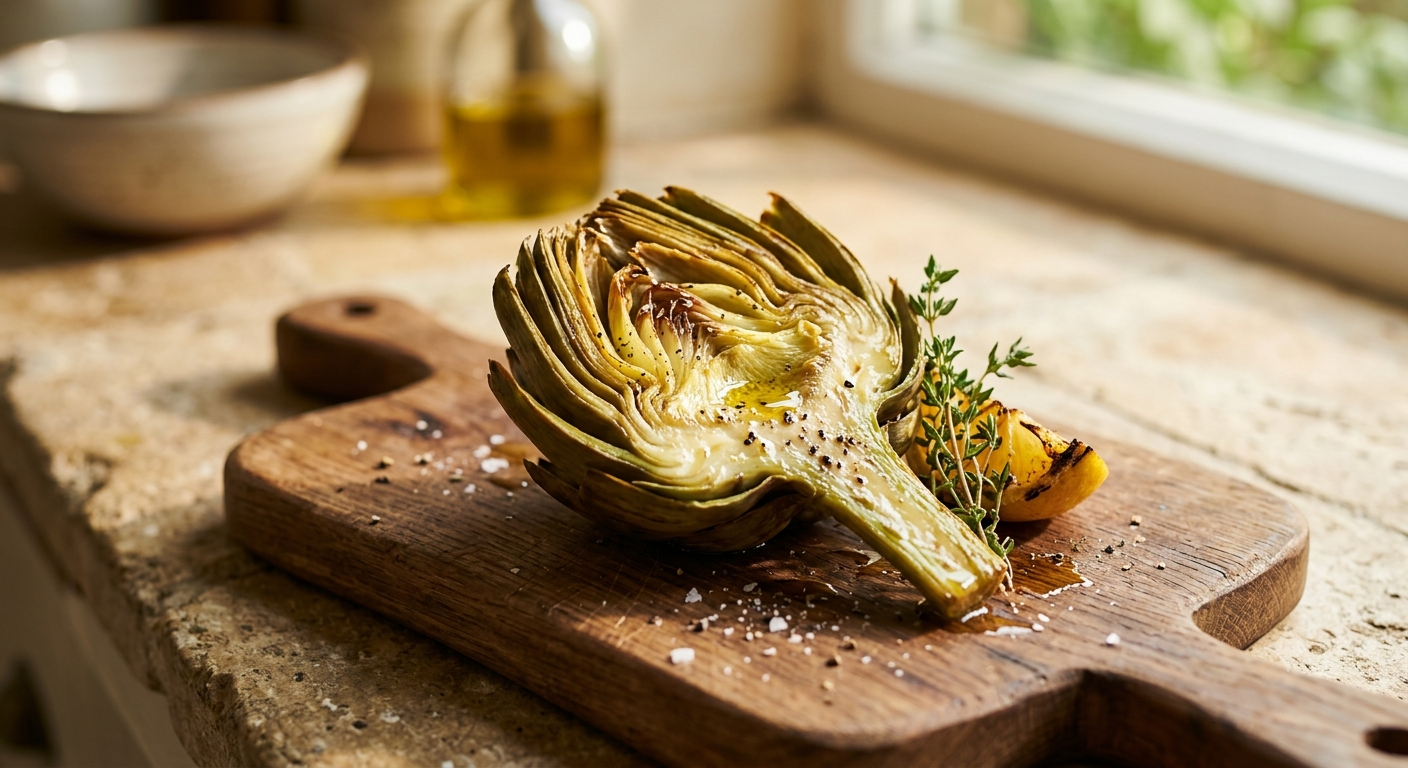
Healthy eating does not have to feel boring or complicated. Sometimes, adding one nutritious vegetable can make a real difference to your daily meals. Artichokes are a great example. They offer a unique taste, a satisfying texture, and several important nutrients. The artichoke benefits make this vegetable worth adding to your regular meal plan. From supporting digestion to providing antioxidants, artichokes bring both flavor and nutrition to the table.
1. Artichoke Benefits Include Better Digestive Health
Good digestion plays an important role in overall health. Therefore, choosing foods rich in dietary fiber can help maintain a healthy digestive system. Artichokes are an excellent source of fiber, making them a useful addition to a balanced diet. A medium artichoke contains around seven grams of fiber. This nutrient helps support regular bowel movements and keeps the digestive system working smoothly. Moreover, artichokes contain inulin, a type of soluble fiber that acts as a prebiotic.
Prebiotics provide nourishment for beneficial gut bacteria. As a result, they help maintain a healthy balance of microorganisms in the digestive tract. A balanced gut environment also supports normal digestive functions. Furthermore, fiber helps slow digestion and increases the feeling of fullness after meals. This can make it easier to manage hunger throughout the day. Consequently, adding fiber-rich vegetables to lunch or dinner can support healthy eating habits. However, people who are not used to eating high-fiber foods should increase their intake gradually. Drinking enough water also helps the body process dietary fiber comfortably.
2. Artichoke Benefits Come From Powerful Antioxidants
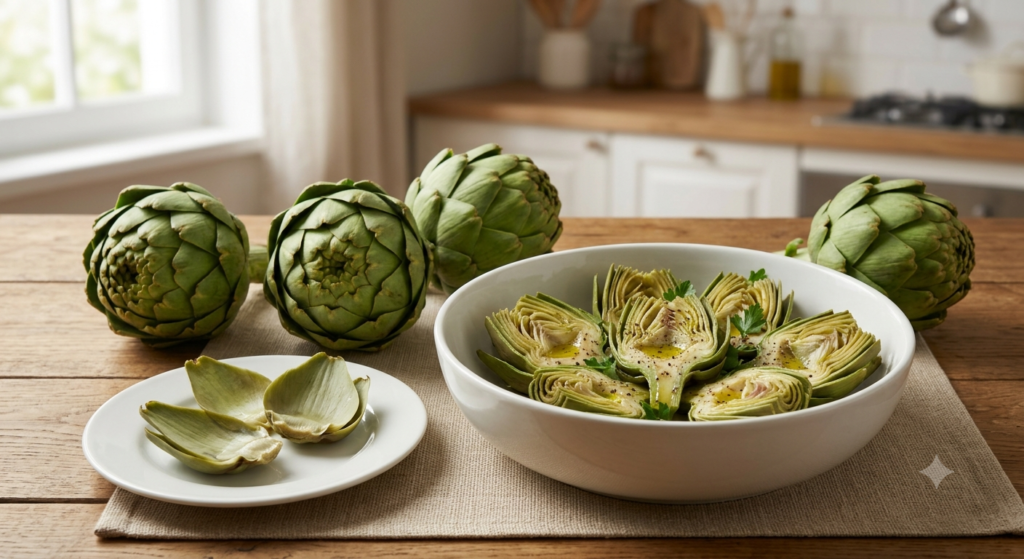
Another reason to enjoy artichokes is their natural antioxidant content. Antioxidants help protect the body’s cells from oxidative stress caused by unstable molecules known as free radicals. Artichokes contain several plant compounds, including flavonoids and phenolic acids. These compounds contribute to their antioxidant properties. In addition, they provide vitamin C and other nutrients that support normal body functions.
Oxidative stress can damage cells over time. Therefore, eating a variety of antioxidant-rich foods is an important part of a healthy diet. Artichokes can contribute to this goal when included alongside colorful vegetables, fruits, nuts, and whole grains. Moreover, a diet rich in plant-based foods provides different protective nutrients. Each vegetable offers its own combination of vitamins, minerals, and natural plant compounds. For this reason, variety matters more than depending on a single food. You can enjoy artichoke hearts in salads, pasta, or homemade vegetable dishes. These options make it easier to add more plant-based nutrition without changing your entire eating routine.
3. Artichoke Benefits May Support Heart Health
Heart health depends on several lifestyle factors, including regular physical activity and balanced nutrition. Fortunately, artichokes contain nutrients that can contribute to a heart-friendly eating pattern. One important nutrient is potassium. It helps regulate fluid balance and supports normal muscle and nerve functions. Potassium also plays a role in maintaining healthy blood pressure. Additionally, artichokes provide dietary fiber. A fiber-rich diet can help support healthy cholesterol levels. Some research has also examined the effects of artichoke leaf extracts on cholesterol. However, supplement studies do not mean that eating artichokes alone can prevent or treat heart disease.
Instead, consider them one part of a varied and balanced diet. Combine artichokes with leafy greens, beans, whole grains, and other vegetables for a nutritious meal. Furthermore, preparation methods matter. Steamed, roasted, or grilled artichokes can fit easily into a heart-conscious meal plan. Try to avoid adding excessive butter, salt, or heavy sauces, as these ingredients can reduce the nutritional value of an otherwise healthy dish.
Easy Ways to Add Artichokes to Your Daily Meals
Artichokes may look unusual, but preparing them does not have to be difficult. Fresh, frozen, and canned options make this vegetable accessible throughout the year. For a simple meal, add cooked artichoke hearts to a fresh salad with tomatoes, cucumber, leafy greens, and olive oil. You can also mix them into whole-wheat pasta with garlic and lemon juice. Another option is to roast artichokes with a little olive oil and black pepper. This cooking method brings out their natural flavor and creates a pleasant texture.
Moreover, artichokes work well in homemade dips, vegetable soups, and grain bowls. Pair them with beans or other vegetables to create a filling meal. When purchasing canned or jarred artichokes, check the label for added salt and oil. Choose products that suit your dietary needs.
Make Artichokes Part of a Balanced Lifestyle
Healthy eating is about making small, consistent choices. Artichokes offer fiber, antioxidants, vitamins, and minerals that can contribute to a nutritious diet. Their mild, slightly earthy flavor also makes them suitable for many recipes. Rather than focusing on one food as a solution to every health concern, enjoy artichokes as part of a varied meal plan. Pair them with fresh produce, whole grains, and quality protein sources.
Ultimately, adding more nutritious vegetables to your meals is a simple way to support long-term wellness. With their versatility and nutritional value, artichokes deserve a place on your dinner table.