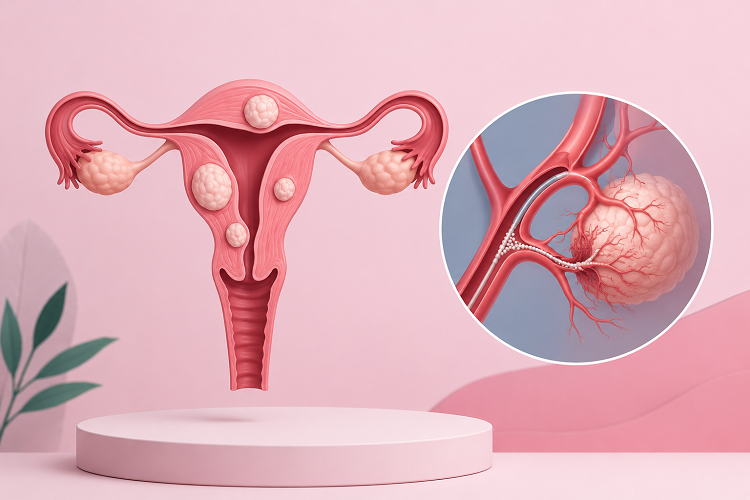
Uterine fibroids affect millions of women, yet many still know very little about them or the treatment choices available. These noncancerous growths can cause heavy periods, pelvic pain, pressure, bloating, and other problems that affect daily life. Moreover, fibroids occur more often in some racial and ethnic groups. Black women, in particular, face a higher risk and may develop fibroids at younger ages. Therefore, greater awareness can help women recognize symptoms and seek care sooner. Uterine Fibroid Embolization is one treatment option that may help manage troublesome fibroids without major surgery.
Uterine Fibroid Embolization and the Growing Need for Awareness
Uterine fibroids are common growths that develop in or around the uterus. They are usually benign, which means they are not cancer. However, their impact can still be serious. Some women have small fibroids with no symptoms. Others may have large or multiple fibroids that interfere with work, relationships, exercise, sleep, and social activities. In fact, fibroids can change the way a woman plans her entire day. Heavy bleeding may make it hard to leave home. Pelvic pressure may make exercise uncomfortable. Pain may affect sleep and concentration. Over time, these symptoms can reduce quality of life.
The condition also shows clear health disparities. Research has found a higher prevalence among Black women compared with White women. Some evidence suggests that Black women may also develop fibroids earlier in life. Furthermore, Hispanic women also experience fibroids at higher rates than some other groups. These differences highlight the need for better education, early diagnosis, and equal access to treatment. Yet awareness remains a major issue. Many women may not realize that their symptoms could come from fibroids. Instead, they may assume that very heavy periods or severe menstrual pain are simply normal. As a result, diagnosis and treatment can sometimes be delayed.
What Are Uterine Fibroids?
Uterine fibroids are noncancerous tumors that grow from the muscular tissue of the uterus. They can vary greatly in size. Some are as small as a seed, while others can become much larger. Additionally, fibroids can grow in different areas of the uterus. Their location often affects the symptoms they cause. For example, a fibroid that grows toward the inside of the uterine cavity may contribute to heavy menstrual bleeding. A larger fibroid on the outside of the uterus may cause pressure on nearby organs.
Not every woman with fibroids needs treatment. Many fibroids cause no symptoms at all. However, treatment may become necessary when symptoms interfere with everyday life or lead to complications.
Common symptoms include:
- Heavy or prolonged menstrual bleeding
- Pelvic pain or pressure
- Painful periods
- Abdominal bloating or enlargement
- Lower back pain
- Frequent urination
- Constipation
- Fatigue related to blood loss and anemia
However, symptoms can differ from one person to another. Therefore, a woman with persistent or unusual symptoms should speak with a qualified healthcare professional.
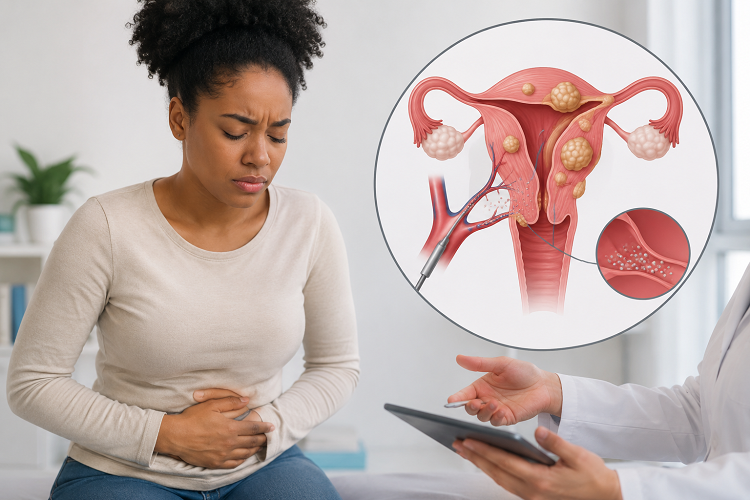
Why Are Fibroids More Common in Women of Color?
The higher rate of fibroids among women of color is an important public health concern. Studies have consistently reported a greater burden among Black women. Some research also shows that Black women may develop fibroids at younger ages and experience more severe symptoms. However, the reasons behind these differences are complex. Genetics may play a role. Hormonal factors may also contribute. In addition, researchers are studying how stress, environmental exposures, diet, access to healthcare, and other social factors may affect fibroid development and outcomes.
The issue is not simply about biology. Healthcare access can also influence when women receive a diagnosis and which treatment choices they are offered. For that reason, better communication between patients and healthcare providers is essential. Furthermore, women should feel comfortable asking questions about all available treatments. A diagnosis of fibroids does not automatically mean that a hysterectomy is the only option. Depending on the size, number, and location of the fibroids, along with a woman’s symptoms and personal goals, several approaches may be available.
How Uterine Fibroid Embolization Works
Uterine Fibroid Embolization is a minimally invasive procedure performed by an interventional radiologist. Unlike traditional open surgery, it does not require a large abdominal incision. During the procedure, the doctor makes a small opening, often through an artery in the wrist or groin. Next, a thin catheter is carefully guided toward the blood vessels that supply the uterus and fibroids. Medical imaging helps the doctor guide the catheter accurately.
Once the catheter reaches the appropriate blood vessels, tiny particles are delivered into the arteries supplying the fibroids. These particles reduce blood flow to the fibroid tissue. As a result, the fibroids gradually shrink over time. The procedure focuses on the blood supply that supports the fibroids. Therefore, it can treat fibroid-related symptoms while avoiding the need for major surgery in suitable patients. Still, every medical procedure has possible risks and limitations. A healthcare provider should evaluate each patient individually before recommending treatment. The decision may depend on age, symptoms, fibroid characteristics, overall health, and reproductive goals.
What Benefits Can UFE Offer?
One reason many women consider Uterine Fibroid Embolization is the less invasive nature of the procedure. Traditional surgery can require a longer recovery period. In contrast, UFE may allow some patients to return to normal activities sooner. Moreover, UFE does not involve removing the uterus. This makes it an important uterine-sparing option for women who want to avoid hysterectomy. However, the choice of treatment should always be personalized.
Potential benefits may include reduced heavy bleeding, less pelvic pressure, and improvement in pain caused by fibroids. Many patients also report an improvement in their overall quality of life after successful treatment. Another benefit is the shorter recovery associated with a minimally invasive approach. However, recovery experiences vary. Some patients may experience cramping, fatigue, nausea, or discomfort after the procedure. These symptoms are often temporary, but proper follow-up remains important.
It is also important to understand that UFE is not the right treatment for every patient. Therefore, a detailed medical assessment is necessary before making a decision.
Uterine Fibroid Embolization vs. Surgical Treatments
Women with symptomatic fibroids have several possible treatment options. The right choice depends on individual needs and medical circumstances. Medication may help control heavy bleeding or pain. However, some medicines mainly manage symptoms rather than directly treating the fibroids. Myomectomy is another option. This surgery removes fibroids while keeping the uterus in place. It may be considered for women who want to preserve their uterus, although the suitability of the procedure depends on the location and number of fibroids.
A hysterectomy removes the uterus. It is a definitive treatment because fibroids cannot return after the uterus is removed. However, it also ends the ability to carry a pregnancy. By comparison, Uterine Fibroid Embolization offers a less invasive approach that targets the blood supply of fibroids. It can reduce fibroid size and symptoms without removing the uterus. Still, treatment decisions should consider fertility goals because research continues to examine the effects of UFE on future pregnancy.
Therefore, women should discuss all relevant choices with their gynecologist and, when appropriate, an interventional radiologist. A second opinion can also help a patient better understand the available options.
Recognizing Symptoms Before They Disrupt Daily Life
Fibroid symptoms can sometimes become part of a woman’s normal routine. For example, she may carry extra menstrual products, avoid certain clothes, or plan activities around her period. Over time, these changes may seem normal. However, very heavy bleeding is not something that should always be ignored. Likewise, persistent pelvic pain and pressure deserve medical attention. Heavy menstrual bleeding can also contribute to iron-deficiency anemia. As a result, some women may experience tiredness, weakness, shortness of breath, or dizziness. These symptoms can affect both physical and emotional well-being.
Furthermore, fibroids may affect mental health and quality of life. Chronic pain and unpredictable bleeding can create stress and anxiety. Therefore, treatment should address more than the physical symptoms. It should also consider how the condition affects a woman’s everyday life. Early medical evaluation can help identify the cause of symptoms. A pelvic examination and imaging tests, such as ultrasound, may help doctors detect fibroids. In some cases, MRI provides more detailed information about the size, location, and characteristics of fibroids.
Who May Consider Uterine Fibroid Embolization?
Uterine Fibroid Embolization may be considered for women who have symptomatic fibroids and want a minimally invasive alternative to major surgery. However, suitability varies from patient to patient. A healthcare professional may review several factors. These include the number and size of fibroids, their location, symptom severity, medical history, and future pregnancy plans.
For example, a woman with severe bleeding may have different treatment needs from someone whose primary concern is pelvic pressure. Similarly, a woman who hopes to become pregnant may need a different discussion about treatment options. Therefore, no single treatment works best for everyone. Instead, shared decision-making can help women choose an approach that matches their health needs and personal goals.
Why Better Fibroid Education Matters
The conversation around fibroids needs to become more open. Women should not feel that they must live with severe symptoms in silence. They should also understand that a fibroid diagnosis does not automatically lead to one specific treatment. Education is especially important for communities that face a higher risk. Research has shown significant differences in fibroid prevalence and treatment experiences across racial groups. At the same time, some racial and ethnic populations remain underrepresented in fibroid research. This creates gaps in knowledge about disease patterns, treatment outcomes, fertility, and long-term care.
As awareness grows, women can become better prepared to discuss their symptoms with healthcare providers. They can also ask about both surgical and minimally invasive options. Furthermore, healthcare professionals can help by explaining treatment choices clearly. Patients deserve to understand the benefits, risks, recovery time, and potential effects of each approach.
Uterine Fibroid Embolization Can Be Part of an Informed Choice
Living with symptomatic fibroids can affect nearly every part of daily life. Yet women have more options than they may realize. Medication, myomectomy, hysterectomy, and interventional treatments can all play a role, depending on the patient’s needs. For suitable patients, Uterine Fibroid Embolization offers a minimally invasive approach that works by reducing blood flow to fibroids. Over time, this can help the fibroids shrink and may reduce symptoms. The procedure can also provide an alternative to more invasive surgery for some women.
However, choosing a treatment requires careful medical guidance. Every woman’s situation is different. Therefore, anyone experiencing heavy bleeding, persistent pelvic pain, pressure, or other concerning symptoms should seek professional evaluation. Most importantly, women deserve complete information about their condition and treatment choices. Greater awareness can help close gaps in care and encourage earlier conversations with healthcare providers. Ultimately, understanding fibroids is the first step toward finding a treatment plan that supports better health, comfort, and quality of life.