Pneumonia can affect people of all ages, but some forms can become serious very quickly. Among them, pneumococcal pneumonia deserves special attention because it is caused by Streptococcus pneumoniae, a bacterium that can also cause other severe infections. Therefore, understanding the symptoms, risk factors, and prevention options can help people make informed health decisions. In addition, early medical care can reduce the chance of serious complications.
Health experts often stress that pneumonia should not always be treated as a simple chest infection. Instead, it can place significant stress on the lungs and the rest of the body. Moreover, the risk can be higher for older adults and people with certain health conditions. For that reason, knowing when to seek medical advice is an important part of protecting respiratory health.
Pneumococcal Pneumonia Can Become a Serious Lung Infection
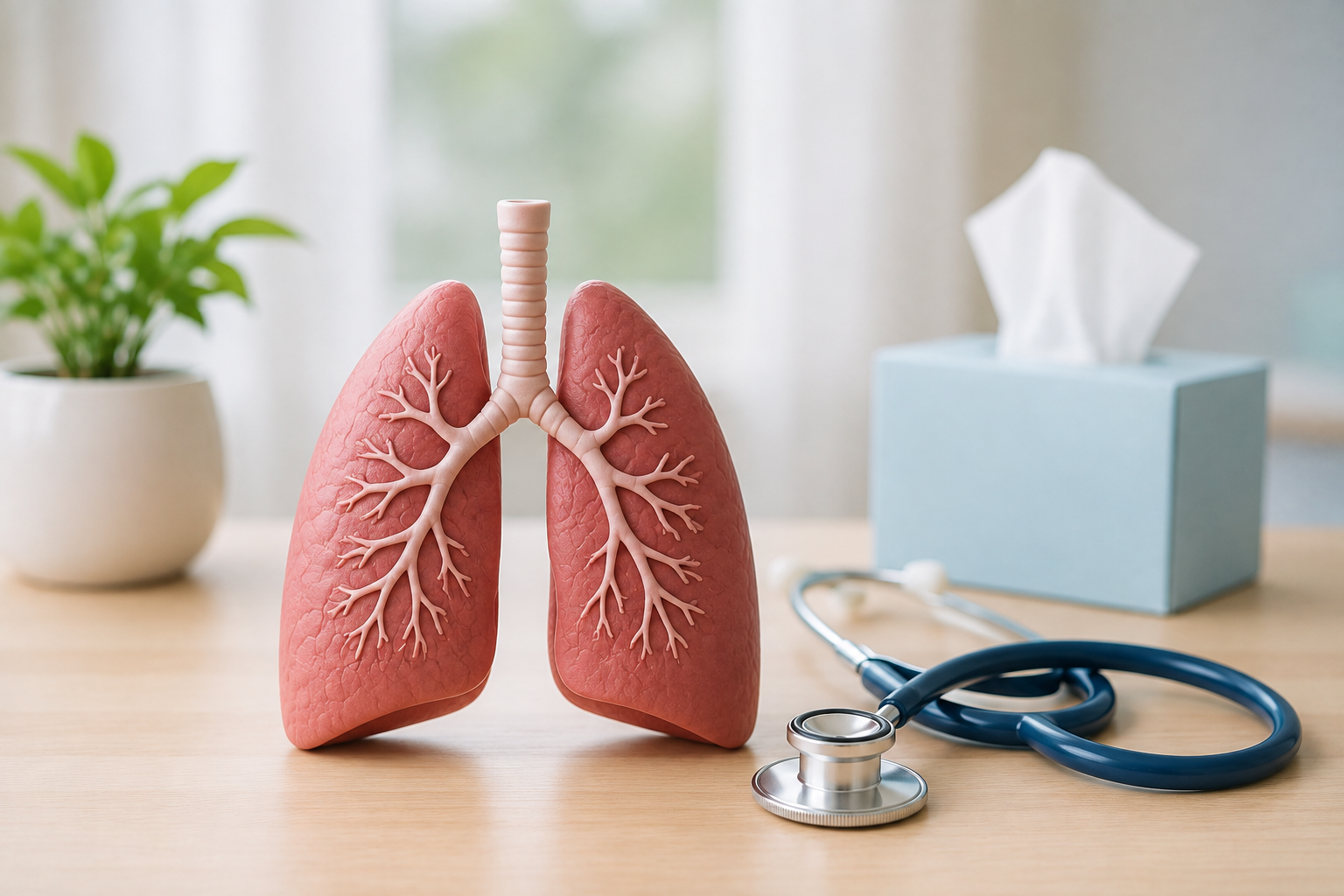
Pneumonia is an infection that affects the lungs. It can develop when bacteria, viruses, or fungi enter the respiratory system. However, Streptococcus pneumoniae is one of the most common bacterial causes of pneumonia. The same bacteria can also cause sinus infections, ear infections, meningitis, and bloodstream infections. The bacteria can live in the nose and throat without always causing illness. However, they can sometimes move into areas of the body where they cause infection. When the lungs become infected, inflammation can make breathing difficult. Consequently, a person may develop coughing, fever, chest discomfort, or shortness of breath.
Furthermore, the severity of illness can vary from person to person. Some individuals may recover with appropriate treatment at home. Others, however, may need hospital care. Therefore, people should pay attention to symptoms that become severe or worsen over time. Another important point is that pneumonia can sometimes lead to invasive pneumococcal disease. This happens when the bacteria enter parts of the body that are normally free from germs, such as the bloodstream or the fluid surrounding the brain and spinal cord. Such infections can become life-threatening.
Recognizing the Symptoms Early Can Make a Difference
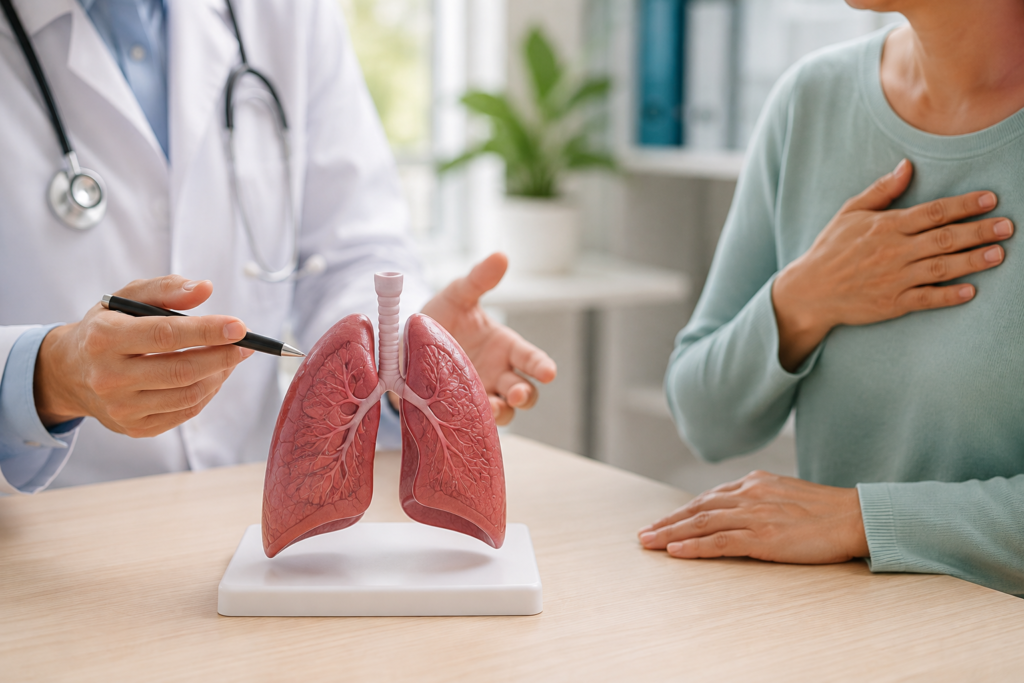
The symptoms of bacterial pneumonia can sometimes appear quickly. According to the CDC, symptoms of pneumococcal pneumonia usually develop within one to three days after the bacteria enter the body. However, symptoms can differ depending on the individual and the severity of the infection.
Common symptoms may include:
- Cough, sometimes with mucus
- Fever and chills
- Chest pain
- Shortness of breath
- Rapid breathing
- Tiredness or weakness
In addition, some people may experience confusion or changes in mental alertness, particularly older adults. As a result, families should not ignore sudden changes in behavior or awareness. It is also important to remember that pneumonia symptoms may overlap with other respiratory illnesses. Therefore, people should not try to diagnose the cause based only on symptoms. A healthcare professional may need to examine the patient and perform tests to determine the cause.
Moreover, symptoms can become more concerning when breathing becomes difficult. Persistent chest pain, severe weakness, bluish lips, or confusion may require urgent medical evaluation. Thus, prompt attention can be especially important for people who already have health conditions that affect the lungs, heart, or immune system.
Who Faces a Higher Risk of Pneumococcal Pneumonia?
Although anyone can develop pneumococcal disease, certain groups face a greater risk of serious illness. Age is one important factor. Current CDC guidance recommends pneumococcal vaccination for all adults aged 50 and older, while younger adults may also need vaccination when they have specific risk conditions. Older adults may face a higher risk because the immune system can become less effective with age. In addition, existing medical problems may make it harder for the body to fight infection.
Certain chronic health conditions can also increase the risk of serious pneumococcal disease. These may include conditions affecting the heart, lungs, liver, or kidneys. People with weakened immune systems may also face additional risks. Smoking is another important concern. Tobacco smoke can damage the respiratory system and weaken the body’s natural defenses. Therefore, avoiding smoking can support better lung health and may reduce the risk of respiratory infections.
Children can also develop pneumococcal disease. However, the prevention recommendations for children differ from those for adults. Parents and caregivers should therefore discuss recommended vaccines with a qualified healthcare provider. Furthermore, a previous infection does not necessarily provide complete protection against future pneumococcal disease. The bacteria have different strains, and people can become infected more than once. Consequently, vaccination and other preventive measures remain important.
Why Vaccination Matters for Pneumococcal Pneumonia Prevention
Vaccination is one of the most effective ways to reduce the risk of serious pneumococcal disease. Pneumococcal vaccines are designed to protect against specific strains of Streptococcus pneumoniae. Although vaccines cannot prevent every possible case of pneumonia, they can help protect against serious infections caused by covered strains. For adults in the United States, CDC recommendations are based on age, vaccination history, and certain medical risk factors. Current guidance recommends pneumococcal conjugate vaccination for all adults aged 50 and older who have not previously received the recommended vaccine. Adults between 19 and 49 may also need vaccination when they have specific risk factors.
The vaccine options can include PCV15, PCV20, or PCV21, depending on a person’s individual circumstances and vaccination history. When PCV15 is used, a follow-up dose of PPSV23 is recommended under current CDC guidance. However, the appropriate schedule can depend on previous vaccines and personal health factors. Therefore, people should speak with a healthcare provider before deciding which vaccine schedule is right for them. Vaccination is also part of a broader approach to respiratory health. For example, influenza and RSV infections can increase the chance of developing pneumococcal disease. Therefore, staying up to date with recommended vaccines can provide an additional layer of protection.
Pneumococcal Pneumonia Treatment Depends on the Patient
When pneumonia is caused by bacteria, healthcare professionals may use antibiotics as part of treatment. However, the exact treatment plan depends on several factors. These include the suspected bacteria, the severity of illness, the patient’s age, and other health conditions. Some people with mild illness may recover at home with medical guidance. However, severe cases may require hospitalization. In a hospital setting, patients may receive oxygen or other supportive care when breathing is affected.
Importantly, antibiotics should be taken only when prescribed by a qualified healthcare professional. Taking the wrong antibiotic or stopping treatment too early can create problems, including antibiotic resistance. Therefore, patients should follow medical instructions carefully. In addition, treatment may involve managing fever, maintaining hydration, and getting adequate rest. However, home care should not replace medical evaluation when symptoms are severe or worsening.
Healthcare providers may use a physical examination, chest imaging, blood tests, or other diagnostic methods to assess the illness. As a result, seeking professional care can help determine whether the infection is bacterial and how serious it may be. The CDC notes that treatment guidance for pneumococcal disease varies depending on the type of infection or clinical syndrome. Therefore, there is no single treatment plan that works for every patient.
Protecting Your Lungs Through Everyday Prevention
Vaccination is important, but it is not the only way to support respiratory health. Everyday habits can also help reduce exposure to respiratory infections. First, regular handwashing can help limit the spread of germs. In addition, people should avoid close contact with individuals who are sick when possible. Those who are ill should also take reasonable steps to avoid spreading infections to others.
Furthermore, quitting smoking can be a valuable step toward better lung health. Smoke exposure can affect the body’s respiratory defenses. Therefore, avoiding tobacco can help support healthier lungs. Managing chronic health conditions is equally important. People with diabetes, heart disease, lung disease, or weakened immunity should follow their healthcare team’s recommendations. By keeping these conditions under control, individuals may improve their overall ability to manage infections.
A healthy lifestyle can also support the immune system. Adequate sleep, balanced nutrition, regular physical activity, and appropriate medical care all contribute to general health. However, these habits should complement, rather than replace, recommended vaccinations and professional medical advice. It is also useful to keep track of vaccination records. Adults who are unsure about previous pneumococcal vaccination can ask a healthcare provider to review their history. This step can help determine whether another vaccine is recommended.
When Should You Talk to a Healthcare Professional?
Knowing when to seek medical care is essential. A cough that does not improve, persistent fever, increasing shortness of breath, or chest pain should not be ignored. In addition, people at higher risk should contact a healthcare professional sooner when they develop signs of a serious respiratory infection. Emergency symptoms require immediate attention. Severe difficulty breathing, confusion, extreme weakness, or signs of low oxygen can indicate a serious condition. Therefore, emergency medical services should be contacted when symptoms appear life-threatening.
Older adults may sometimes show less typical symptoms. For example, confusion or sudden weakness may be more noticeable than a high fever. Consequently, family members and caregivers should watch for changes in behavior and overall functioning. Early medical assessment can also help distinguish pneumonia from other respiratory conditions. Because several infections can cause similar symptoms, professional evaluation is often necessary for an accurate diagnosis.
A Simple Approach to Better Respiratory Health
Pneumonia remains an important health concern, especially for older adults and people with certain medical conditions. However, awareness can make a meaningful difference. Understanding symptoms, recognizing personal risk, and following vaccination guidance can all support better protection. At the same time, people should remember that pneumococcal pneumonia is only one cause of pneumonia. Other bacteria, viruses, and fungi can also lead to lung infections. Therefore, vaccination against pneumococcal disease does not eliminate the risk of every type of pneumonia.
Still, prevention remains a powerful tool. Vaccination, hand hygiene, smoking avoidance, and good management of chronic conditions can all contribute to better respiratory health. Moreover, early medical care can help people receive the right diagnosis and treatment. Ultimately, the best approach is to stay informed and maintain an open conversation with a healthcare professional. Vaccine recommendations can change as new evidence and vaccines become available. Therefore, people should check their current eligibility and vaccination history with a trusted provider rather than relying on outdated information.
By taking these steps, individuals and families can become better prepared to recognize respiratory illness and respond appropriately. More importantly, prevention and early action can help reduce the burden of serious pneumococcal disease and support healthier lives.