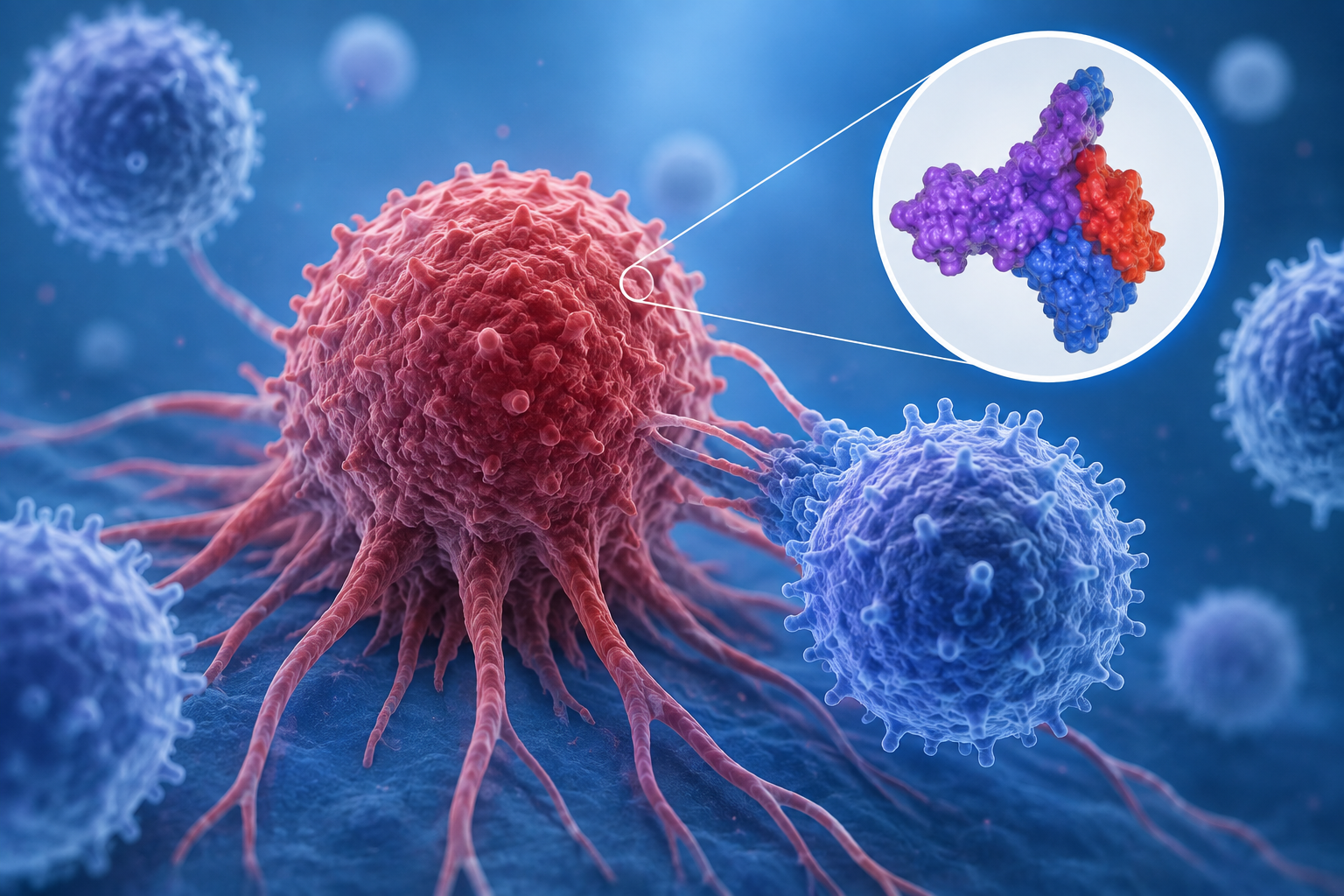
Cancer treatment has changed greatly over the years. However, many cancers remain difficult to treat because tumor cells can adapt and avoid the body’s natural defenses. As a result, researchers continue to explore new ways to help the immune system recognize and attack cancer more effectively. One promising area of research is individualized neoantigen therapy, which aims to create a treatment approach based on the unique features of a patient’s tumor.
Unlike traditional cancer treatments that may follow a more general approach, personalized immunotherapy focuses on the specific mutations found in an individual’s cancer cells. These mutations can create unusual proteins called neoantigens. Because these proteins may appear only on cancer cells, they can potentially provide useful targets for the immune system. Therefore, researchers are studying whether targeting these unique markers can help the body identify cancer cells more accurately. While the field is still developing, this approach could become an important part of precision oncology in the future.
What Is Individualized Neoantigen Therapy?
Individualized neoantigen therapy is a personalized form of cancer immunotherapy designed around the unique genetic changes found in a patient’s tumor. To understand this approach, it helps to first understand what neoantigens are. Cancer develops when cells acquire genetic changes that cause them to grow or divide abnormally. These mutations can sometimes create new proteins that healthy cells do not normally produce. The immune system may recognize these unusual proteins as foreign. Researchers call these newly formed targets neoantigens.
However, cancer cells can sometimes hide from immune defenses. Therefore, simply having neoantigens does not always mean that the immune system will destroy the tumor. Researchers are now exploring ways to help immune cells recognize these cancer-specific targets. The goal is to improve the immune response while focusing attention on the patient’s own tumor characteristics.
Because every person’s cancer can contain a different combination of mutations, the treatment may need to be designed specifically for each patient. This personalized approach is one of the key features that makes neoantigen research so interesting.
How Personalized Cancer Treatment May Work
The development of individualized neoantigen therapy begins with detailed analysis of a patient’s cancer. Researchers may examine tumor tissue and compare it with healthy cells. This process helps identify genetic differences that could produce potential neoantigens. Next, advanced laboratory methods can help researchers predict which mutations may create targets that the immune system can recognize. However, not every mutation produces a useful neoantigen. Therefore, researchers must carefully select the most promising targets.
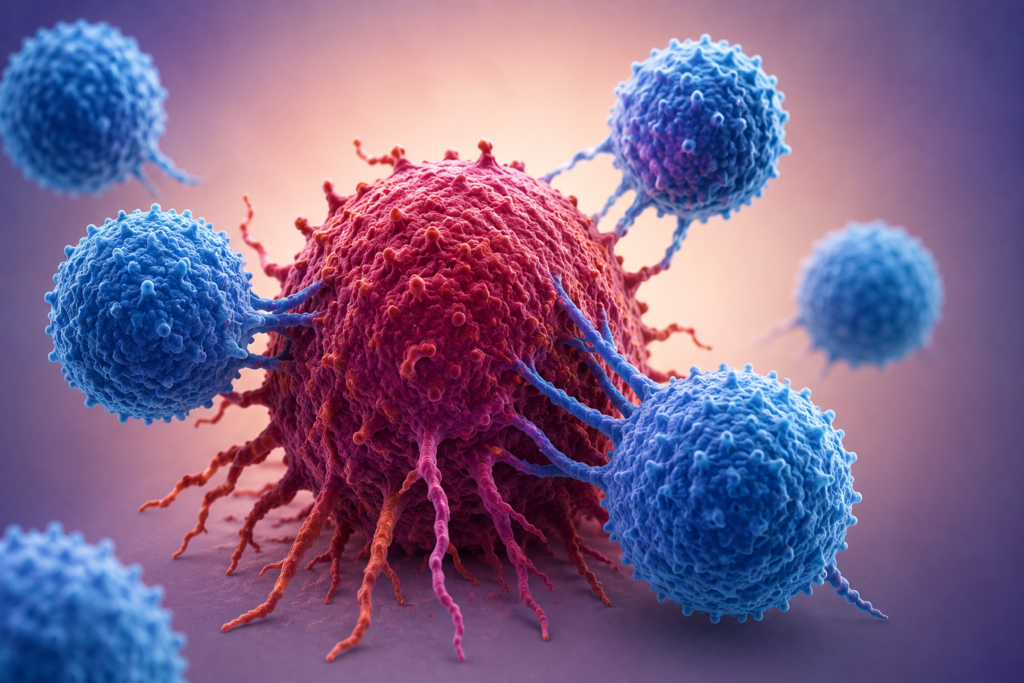
Once potential targets are identified, scientists can explore different ways to stimulate an immune response. These approaches may include personalized cancer vaccines or other immunotherapy strategies. The immune system contains specialized cells that can identify abnormal cells. However, cancer can interfere with these natural defenses. Consequently, researchers hope that personalized neoantigen treatments can help immune cells better identify tumor cells.
Moreover, some therapies may be combined with existing cancer treatments. For example, researchers are investigating whether personalized approaches could work alongside immune checkpoint inhibitors or other therapies. The best combination may depend on the type of cancer and the patient’s individual condition.
Why Neoantigens Matter in Cancer Immunotherapy
Traditional cancer treatments often focus on features shared by many cancer cells. However, these features may also appear in healthy tissues. As a result, treatments can sometimes cause significant side effects. Neoantigens offer a different possibility. Because they arise from mutations within cancer cells, they may provide more specific targets. Therefore, researchers hope that treatments directed at these markers could help the immune system focus more closely on cancer.
Still, the science is complex. Cancer tumors are not made up of identical cells. Instead, they can contain different groups of cells with different mutations. This variation is known as tumor heterogeneity. Consequently, targeting one neoantigen may not always be enough. Some cancer cells may not carry the same mutation. Therefore, researchers are studying whether targeting several neoantigens at once could create a stronger and broader immune response.
This approach could become especially valuable in cancers where treatment options remain limited. However, more research is needed to understand how well these therapies work across different cancer types.
Individualized Neoantigen Therapy and the Patient’s Immune System
The immune system plays a central role in the development of personalized cancer immunotherapy. Normally, immune cells can detect abnormal changes in the body. However, tumors can develop strategies that allow them to escape immune surveillance. For example, some cancer cells can create an environment that suppresses immune activity. Others may reduce the signals that help immune cells recognize them. Therefore, researchers are exploring ways to overcome these barriers.
Individualized neoantigen therapy attempts to give the immune system more precise information about what to target. In simple terms, the treatment aims to help immune cells recognize specific features associated with a patient’s tumor. This process may involve activating T cells, which are important immune cells involved in identifying and destroying abnormal cells. Researchers hope that a stronger T-cell response could help the body attack cancer more effectively.
However, the immune response can vary greatly between patients. Some people may respond strongly to immunotherapy, while others may see little benefit. Therefore, identifying which patients are most likely to respond remains an important research goal.
The Potential Benefits and Challenges
Personalized neoantigen research offers several potential advantages. First, the treatment can be designed around the specific mutations found in a patient’s cancer. Therefore, it may offer a more targeted approach than some traditional therapies. Second, neoantigens may be more specific to cancer cells than targets found on both healthy and cancerous tissues. Consequently, researchers hope this approach could improve treatment precision.
However, significant challenges remain. Developing a personalized treatment can take time. Researchers must collect tumor samples, analyze genetic information, identify suitable neoantigens, and develop the treatment. In addition, cancer can change over time. A tumor may develop new mutations as it grows or responds to treatment. Therefore, a therapy designed at one stage may not target every cancer cell later.
Cost and access may also present challenges. Personalized treatments require advanced technology and specialized expertise. As a result, making these therapies widely available could take considerable time. Furthermore, researchers need more clinical evidence to determine how effective these approaches are in different cancers. While early studies have generated interest, larger clinical trials will help establish their long-term value.
The Future of Personalized Cancer Therapy
The field of cancer research is moving toward more personalized treatment strategies. As genetic testing becomes more advanced, doctors and researchers can learn more about the unique biology of each tumor. This progress may help scientists identify better treatment targets. Moreover, advances in artificial intelligence and computational biology could make it easier to predict which mutations are most likely to produce useful neoantigens.
In the future, a patient’s cancer treatment plan may combine several personalized approaches. These could include surgery, chemotherapy, radiation, targeted therapy, and immunotherapy. The exact combination may depend on the tumor’s genetic profile and the patient’s overall health. Researchers are also exploring how personalized cancer vaccines could work with other immune-based treatments. By combining different strategies, scientists hope to create stronger and longer-lasting immune responses.
However, it is important to remember that neoantigen therapies remain an active area of research. Patients should not assume that these experimental approaches are suitable for every cancer or available as standard treatment.
A Promising Direction in Cancer Research
The development of individualized neoantigen therapy reflects a broader shift toward personalized cancer care. Instead of treating every tumor in the same way, researchers are studying how a patient’s unique cancer biology can guide treatment decisions. This approach could help the immune system recognize cancer cells with greater precision. At the same time, it may open new possibilities for patients whose cancers have limited treatment options.
Nevertheless, many questions remain. Scientists must continue studying how tumors evolve, how immune responses differ between patients, and how personalized therapies can be produced efficiently. For now, neoantigen research remains a promising area of modern oncology. As clinical trials continue and technology improves, researchers may learn more about how to use these unique cancer markers to develop better treatments.
Ultimately, the goal is to make cancer care more precise, effective, and personalized. Although more evidence is needed, advances in neoantigen research offer another reason for optimism in the ongoing effort to improve cancer treatment and help the immune system fight disease.