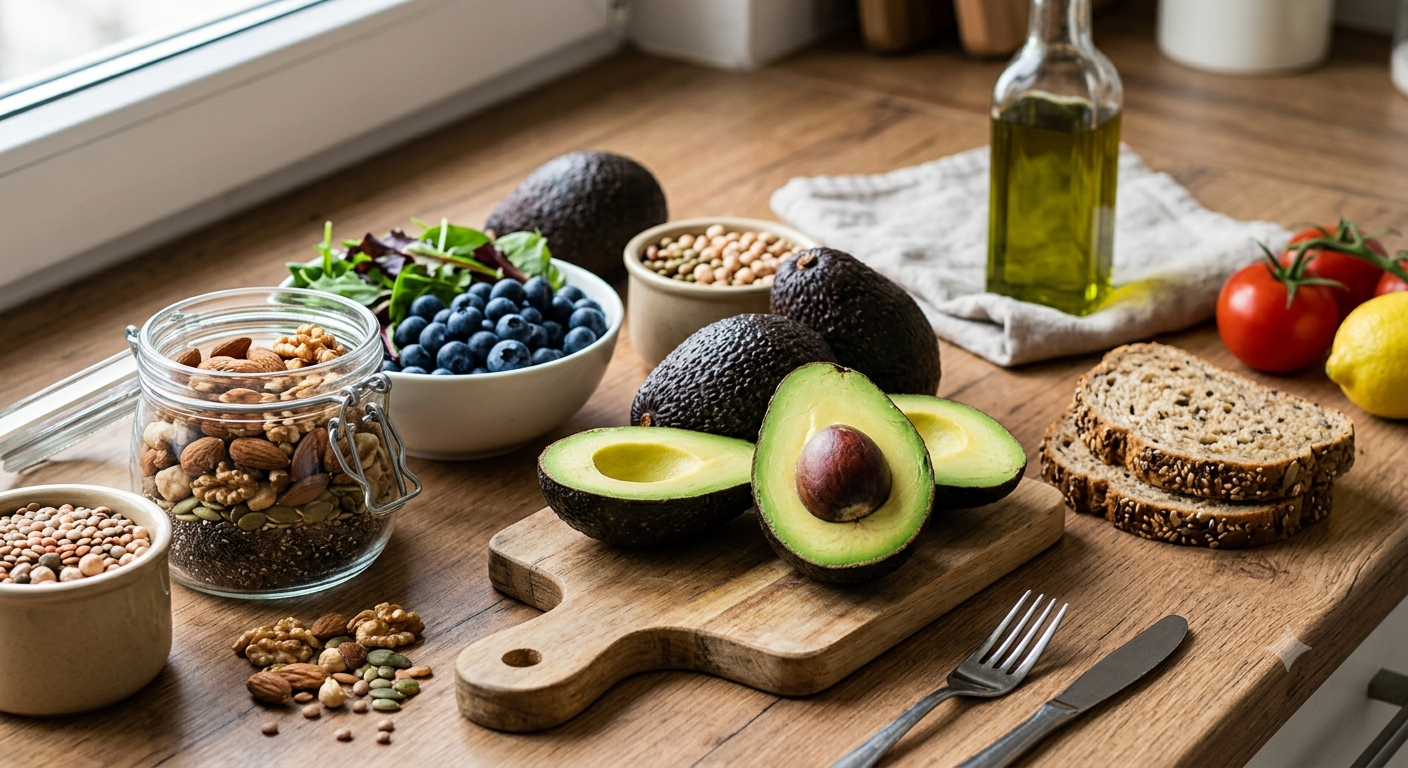
Protein often gets most of the attention in nutrition conversations. However, a balanced diet needs more than protein alone. Healthy fats and fiber are two nutrients that many people may not get enough of each day. Both can support a satisfying and balanced eating pattern. According to the source article, 95% of Americans fall short of recommended fiber intake. It also notes that many people consume too much saturated fat compared with unsaturated fat.
Consequently, it makes sense to look beyond protein when planning meals. Adding more fiber-rich foods and healthier fat sources can make everyday meals more complete. Fortunately, this does not require a complicated diet plan. Instead, simple whole foods can help. Avocados are one example because they provide both fiber and unsaturated fats. They can also fit into breakfast, snacks, lunch, dinner, and even desserts.
The Role of healthy fats and fiber in Everyday Nutrition
Healthy fats and fiber can work together to make meals more satisfying. Fiber can slow digestion and add bulk to meals. Healthy unsaturated fats can also contribute to satisfaction. As a result, meals containing both nutrients may help people feel full for longer. Fiber also plays an important role in digestive health. It is found naturally in foods such as fruits, vegetables, beans, lentils, whole grains, nuts, and seeds. Since many people do not consume enough, adding these foods regularly can help close the nutrition gap.
Healthy fats also deserve a place on the plate. Unsaturated fats are found in foods such as avocados, nuts, seeds, and certain vegetable oils. Replacing some sources of saturated fat with unsaturated fat can support a more balanced eating pattern. Importantly, this does not mean eliminating fat. Dietary fat is an essential nutrient. Instead, the goal is to choose nutritious sources more often while maintaining an overall balanced diet.
How Avocados Provide healthy fats and fiber
Avocados offer a simple way to include healthy fats and fiber in everyday meals. They have a creamy texture and mild flavor, so they can work with both sweet and savory ingredients. The source article describes avocados as a nutrient-dense food that provides fiber and healthy fats together. It also explains that their combination can help meals feel more filling and satisfying.
For breakfast, avocado can be added to whole-grain toast or blended into a smoothie. It can also be paired with eggs, vegetables, or beans. At lunch, sliced avocado can add creaminess to salads, wraps, bowls, and sandwiches. Furthermore, avocado does not have to be limited to traditional guacamole. Its soft texture makes it useful in dips, puddings, frozen treats, and baked recipes. This flexibility makes avocado an easy ingredient for people who want to increase nutrient-rich foods without completely changing their normal eating habits.
Fiber and Its Benefits for a Balanced Diet
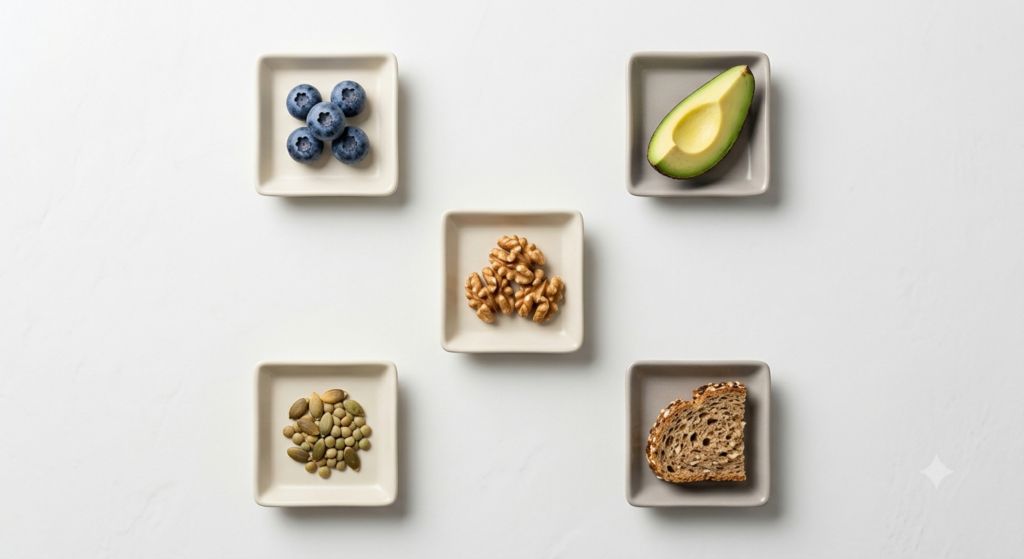
Fiber is a type of carbohydrate that the body does not fully digest. Even so, it plays several important roles in the body. It can support normal digestion and help promote feelings of fullness. There are two main types of dietary fiber: soluble and insoluble. Soluble fiber dissolves in water and can help form a gel-like material during digestion. Insoluble fiber adds bulk to stool and supports regular bowel movements. Many plant foods contain both types. Therefore, eating a variety of fruits, vegetables, legumes, nuts, seeds, and whole grains can help provide a broad range of nutrients.
Fiber may also support healthy blood sugar levels. When meals contain fiber, digestion and absorption can occur more gradually. This is one reason high-fiber foods can be useful as part of an overall balanced eating pattern. However, it is best to increase fiber intake gradually. A sudden large increase may cause gas, bloating, or digestive discomfort. Drinking enough water and adding fiber-rich foods step by step can make the transition easier.
Choosing Better Sources of Dietary Fat
Not all fats have the same nutritional profile. For that reason, food quality matters when planning meals. Unsaturated fats are commonly found in foods such as avocados, nuts, seeds, and certain plant oils. Saturated fats, meanwhile, are found in many animal-based foods and some processed products. Current dietary guidance generally encourages choosing unsaturated fat sources more often while limiting excessive saturated fat.
This does not mean that one food is automatically good or bad. Instead, the overall eating pattern matters most. A meal can include a healthy fat source alongside vegetables, whole grains, and a suitable protein source. Avocado is useful in this context because it can replace some ingredients that are higher in saturated fat. For example, mashed avocado can provide a creamy texture in sandwiches and wraps. As a result, small ingredient changes can make meals more nutrient-dense without making them complicated.
Easy Ways to Add More healthy fats and fiber
Adding healthy fats and fiber does not require expensive ingredients or complex recipes. The easiest approach is to make small changes to meals you already enjoy. For breakfast, try adding sliced avocado to whole-grain toast. You can also mix avocado into a smoothie with fruit and chia seeds. These combinations provide texture while adding plant-based nutrients. At lunchtime, add avocado to a vegetable salad or grain bowl. Beans can provide additional fiber and plant-based protein. A handful of nuts or seeds can also add healthy fats and crunch.
For an afternoon snack, avocado can become the base for a simple dip. Pair it with vegetables or whole-grain crackers for a more balanced option. At dinner, sliced avocado can complement tacos, grain bowls, roasted vegetables, or lean protein. You can also use mashed avocado as a spread instead of a richer topping. These simple changes can make it easier to increase nutrient variety without following strict food rules.
A Simple Avocado Recipe Idea
The source article highlights an Avocado and Blueberry Chia Seed Pudding as one way to enjoy avocado beyond traditional savory dishes. According to the article, one serving provides healthy fats and about half of the daily recommended amount of fiber. You can create a simple version by blending ripe avocado with blueberries and a suitable milk or milk alternative. Add chia seeds and allow the mixture to thicken in the refrigerator.
The result can work as a breakfast or snack. Blueberries provide natural sweetness, while chia seeds add additional fiber and healthy fats. Avocado gives the pudding a creamy texture. This type of recipe also demonstrates an important nutrition principle: healthy foods do not need to be complicated. Combining several nutrient-rich ingredients can create a satisfying meal or snack.
Can healthy fats and fiber Support Fullness?
Feeling satisfied after eating depends on many factors. However, foods containing fiber and healthy fats can contribute to a filling meal. Fiber adds bulk, while fat can make meals more satisfying. The source article describes fiber and healthy fats as a useful combination for fullness and meal satisfaction. It also notes that these nutrients may help support blood sugar management.
Still, nutrition is highly individual. Portion sizes, total calorie intake, physical activity, sleep, and overall food choices all matter. No single ingredient can guarantee a specific health outcome. Therefore, it is better to think about dietary patterns rather than miracle foods. A meal containing vegetables, fruit, whole grains, a suitable protein, and an unsaturated fat source can offer a broader mix of nutrients.
What the Research Says About Avocados
Interest in avocado nutrition has grown because the fruit contains several useful nutrients. The source article references a study involving more than 27,000 adults. The study found an association between eating just over half an avocado per day and lower body weight, smaller waist size, and healthier dietary patterns. However, the findings do not prove that eating avocados directly causes weight loss. The article itself notes that the results show an association rather than cause and effect. More research is needed to confirm these observations in other groups.
That distinction is important. Nutrition claims should be based on the full body of evidence rather than one study. Even without making strong health claims, avocados can still be a useful food choice. They provide fiber, unsaturated fats, and other nutrients while working well in many types of meals.
Making Healthy Eating Easier
A healthy eating plan does not need to involve major changes overnight. Instead, gradual adjustments are often easier to maintain. Start by examining meals that already lack fruits, vegetables, whole grains, or healthy fat sources. Then, make one simple addition. Add avocado to toast, beans to a salad, berries to breakfast, or nuts to a snack.
Next, pay attention to variety. Different plant foods provide different nutrients. Therefore, rotating fruits, vegetables, legumes, whole grains, nuts, and seeds can create a more varied diet. It is also useful to remember that nutrition is more than one nutrient. Protein has an important role, but it should not crowd out fiber-rich plant foods or healthy sources of fat. By including healthy fats and fiber regularly, people can create meals that are nutritious, flavorful, and satisfying without relying on restrictive food rules.
Smart Food Choices for Everyday Wellness
Nutrition does not have to be complicated. Small food choices can gradually create a more balanced eating pattern. Fiber-rich plants, healthy fat sources, lean proteins, whole grains, and colorful fruits and vegetables can all have a place on the plate. Avocados are especially versatile because they combine fiber and unsaturated fats in one food. They can also add creaminess and flavor without requiring complicated preparation.
Most importantly, focus on consistency rather than perfection. A balanced diet is built through everyday choices. Adding more plant foods and choosing healthier fat sources can be a practical step toward better overall nutrition. When planning meals, think beyond protein. Make room for healthy fats and fiber, too. With simple ingredients and easy recipes, these important nutrients can become a natural part of everyday eating.