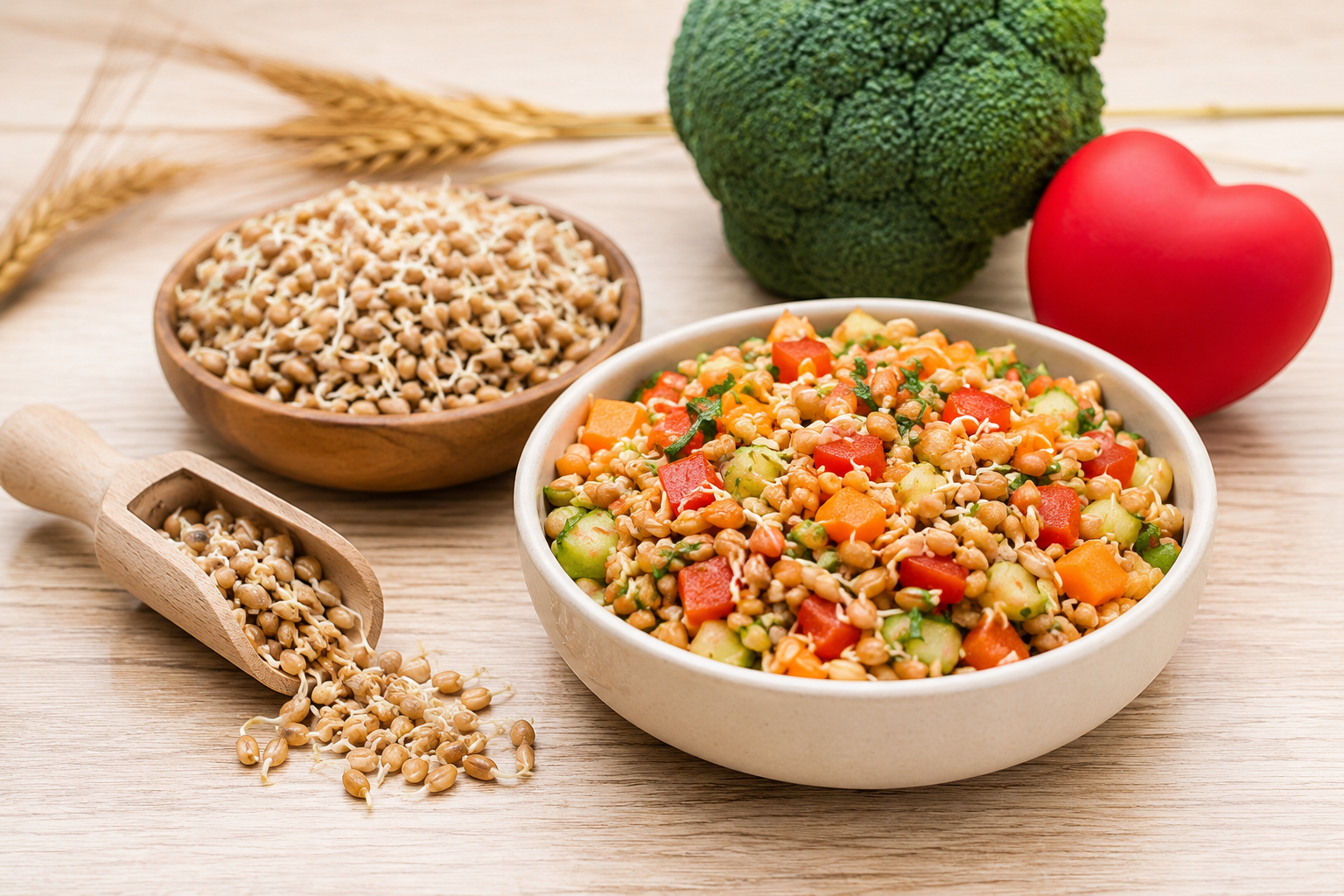
Diabetes and heart health are closely linked. People with diabetes face a higher risk of heart disease, so everyday food choices can play an important role in overall wellness. A balanced diet can help support healthy blood sugar, cholesterol levels, blood pressure, and body weight. Therefore, choosing nutrient-rich foods can be a useful part of a healthy lifestyle.
One food option gaining attention is sprouted grains. These grains begin to germinate after soaking in water. During this process, some starches, proteins, and other compounds change. As a result, the grain can become easier to digest, while some nutrients may become more available. However, no single food can prevent or treat diabetes or heart disease. Instead, sprouted grains can fit into an eating pattern that also includes vegetables, lean proteins, healthy fats, and other whole foods.
How Sprouted Grains May Help Blood Sugar
Sprouted grains may offer an advantage for people who want to manage blood sugar through better food choices. The sprouting process changes the carbohydrate structure of the grain. Some starch breaks down, while fiber can increase. Since fiber slows digestion, it can help reduce how quickly carbohydrates enter the bloodstream.
In addition, foods with a lower glycemic impact generally cause a slower rise in blood glucose than highly refined carbohydrate foods. The original article notes that sprouted grains generally fall into a low-glycemic category. Still, the exact effect can vary by grain, serving size, preparation, and the other foods eaten with it. Therefore, replacing highly refined bread or other processed grains with a whole or sprouted option may be a practical dietary change. It is also important to watch portion sizes because even nutritious foods contain carbohydrates.
Sprouted Grains Can Provide More Fiber
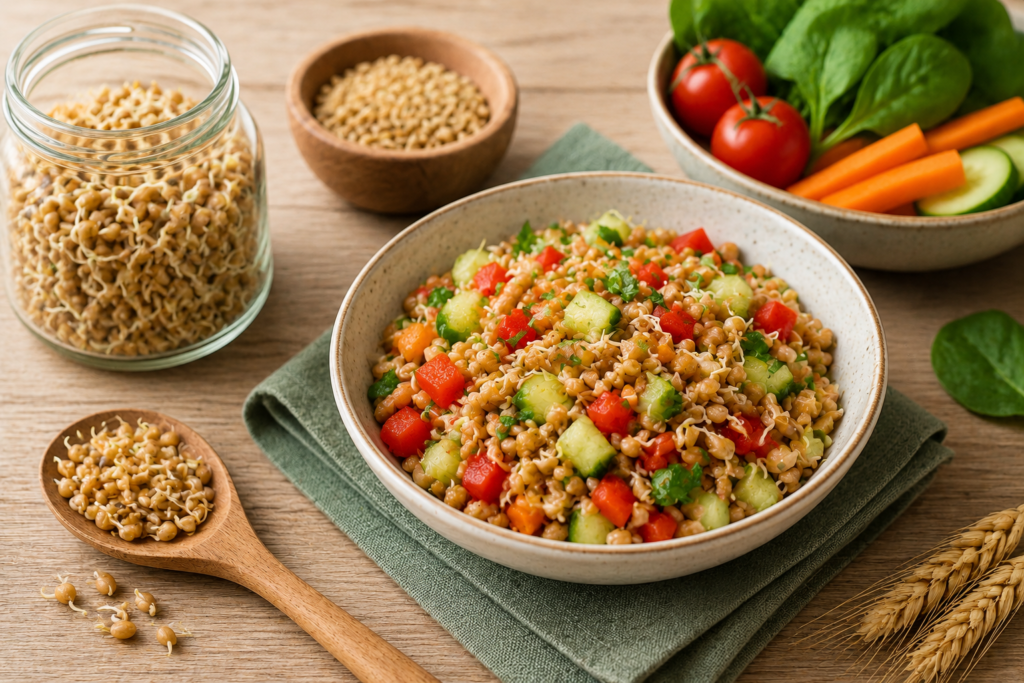
Fiber is important for both blood sugar and cardiovascular wellness. It supports digestion and can also help with cholesterol management. Higher-fiber eating patterns may support healthy LDL cholesterol levels and normal blood pressure. Because sprouted grains can contain more fiber than some refined grain products, they may be a useful addition to a balanced meal. Fiber also helps you feel full for longer. Consequently, choosing fiber-rich foods can make it easier to create satisfying meals without relying heavily on refined carbohydrates.
For example, sprouted grain bread can replace white bread at breakfast. You can pair it with eggs and vegetables for a more balanced meal. Similarly, sprouted pasta can be served with vegetables and a protein source rather than eaten alone.
Nutrients Change During Sprouting
The sprouting process does more than change carbohydrates. It can also affect proteins, vitamins, minerals, and other plant compounds. During germination, some proteins break down into smaller components, including amino acids. This may make the grain easier for the body to digest. Research on germinated grains also suggests potential benefits for people with type 2 diabetes. One study mentioned in the source found that people consuming germinated brown rice experienced lower fasting blood sugar and insulin levels. However, research remains limited, so more studies are needed before firm conclusions can be made.
Furthermore, sprouting can reduce certain compounds that may interfere with mineral absorption. This can potentially improve the availability of some nutrients. Even so, the nutritional value of a product depends on the grain, processing method, and other ingredients.
Heart Health Benefits of Sprouted Grains
A heart-friendly diet should include fiber-rich carbohydrates, vegetables, protein, and healthy fats. Sprouted grains can provide one part of that combination. Their fiber content may support healthy cholesterol levels, while some varieties also contain beneficial nutrients and plant compounds. Some sprouted seeds can also provide healthy fats. For instance, sprouted flax seeds contain omega-3 fatty acids. These fats are associated with cardiovascular health when included as part of an overall balanced eating pattern.
Still, adding sprouted grains alone will not make a diet heart healthy. It is better to combine them with vegetables, legumes, fish, nuts, seeds, and other nutrient-dense foods. At the same time, limiting excess sodium, added sugars, and highly processed foods can support a broader heart-health strategy.
Easy Ways to Add Sprouted Grains
Adding sprouted grains to everyday meals does not need to be complicated. Start with simple substitutions that fit your normal eating habits. For breakfast, try sprouted grain bread instead of white bread. Add eggs, vegetables, cottage cheese, or another protein source to make the meal more filling. You can also use sprouted grain English muffins for a breakfast sandwich.
At lunch or dinner, sprouted pasta can replace regular pasta. Add vegetables and a source of protein such as chicken, fish, tofu, beans, or chickpeas. This creates a meal with a better balance of carbohydrates, fiber, and protein. Sprouted grain tortillas can also work well for tacos and wraps. Fill them with vegetables, beans, lean meat, or fish. In warmer months, sprouted grain burger buns can be another simple swap.
When choosing packaged products, check the nutrition label. Look for fiber content, added sugars, sodium, serving size, and the type of grain used. A product labeled “sprouted” is not automatically healthy, so the complete nutrition profile still matters.
Use the Diabetes Plate Method
The Diabetes Plate Method can make meal planning easier. It recommends filling about half of the plate with non-starchy vegetables, one-quarter with carbohydrates, and one-quarter with protein. Water or another unsweetened drink can complete the meal. For example, a balanced dinner could include roasted broccoli and peppers, a serving of sprouted grain pasta, and grilled fish or tofu. This approach provides different nutrients while keeping the carbohydrate portion controlled.
Likewise, a breakfast could include one serving of sprouted grain toast, eggs, and a side of vegetables. The goal is not to completely remove carbohydrates. Instead, focus on choosing nutritious carbohydrate sources and pairing them with protein and fiber.
Choose Foods That Support Long-Term Wellness
Sprouted grains can be a useful choice for people who want to improve the nutritional quality of their meals. They may provide fiber, protein, vitamins, minerals, and other plant compounds. They can also offer a simple alternative to highly refined grain products. However, people with diabetes should consider their total carbohydrate intake and individual blood sugar response. Foods affect people differently, so monitoring glucose and following advice from a healthcare professional can help with personal meal planning.
Most importantly, think about the whole diet rather than one ingredient. Combine nutritious grains with vegetables, quality protein, healthy fats, and plenty of fiber. With consistent choices, small food swaps can become part of a sustainable approach to diabetes and heart health.