People with depression, PTSD, and other mental health conditions may consider ketamine therapy when standard treatments have not provided enough relief. Ketamine has gained attention because some patients may experience benefits when other options have not worked well. However, ketamine is a powerful medicine. Therefore, treatment should involve careful medical assessment, proper monitoring, and a clear plan for follow-up care.
The growing interest in ketamine has also created more treatment choices. Some patients receive care at medical clinics, while others may receive prescriptions through telehealth services. However, these approaches do not always provide the same level of supervision. As a result, patients should understand how the treatment works and what safeguards should be in place before beginning.
What Is Ketamine Therapy?
Ketamine therapy uses ketamine as part of a treatment plan for certain mental health conditions. Ketamine itself is approved by the U.S. Food and Drug Administration (FDA) as an anesthetic. Its use for psychiatric conditions is generally considered off-label. In contrast, esketamine, a related medicine, has FDA approval for certain depression-related indications and comes with specific safety requirements. Ketamine affects brain signaling in ways that differ from many traditional antidepressants. Because of this, researchers and clinicians have studied its potential role in difficult-to-treat depression and other conditions.
Still, a treatment being promising does not mean it is risk-free. Ketamine can affect consciousness, blood pressure, heart rate, and breathing. It can also cause dissociation, which may make a person feel detached from their surroundings or body. For that reason, the setting matters. A qualified medical professional should determine whether ketamine is suitable based on a person’s medical history, current medicines, mental health needs, and overall health.
Why Is Ketamine Safety So Important?
Ketamine can produce strong effects within a relatively short period. Therefore, patients need to know what can happen during and after treatment. Possible effects can include sedation, dizziness, changes in blood pressure, nausea, confusion, and dissociation. In some situations, more serious complications may occur. The FDA has warned about risks associated with compounded ketamine products, particularly when they are used without appropriate medical oversight.
Moreover, ketamine has the potential for misuse. This is especially important because ketamine is a controlled substance in the United States. Medical professionals should consider the person’s medical and substance-use history before prescribing it. The FDA has also highlighted concerns about unapproved ketamine products sold online. Products obtained from unreliable sources may not provide the expected strength, quality, purity, or safety. Therefore, patients should avoid treating ketamine like an ordinary medication that can be taken without supervision.
Choosing a Safe Treatment Setting
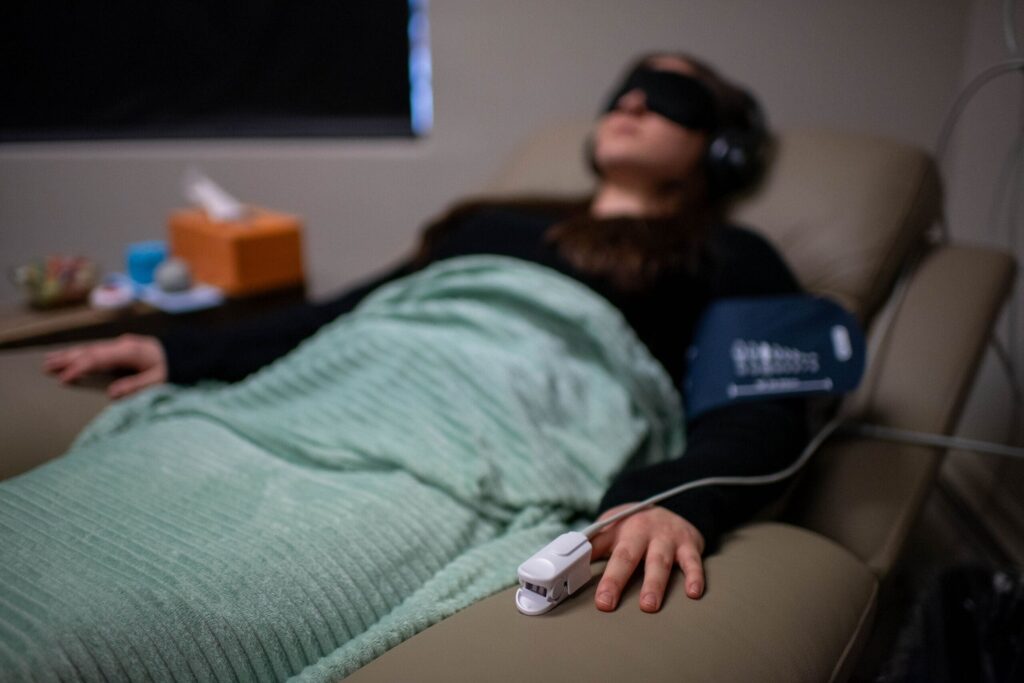
One of the most important questions involves where treatment will take place. A medical clinic may provide trained staff, monitoring equipment, and emergency support. These safeguards can become especially important when a patient experiences unexpected sedation or another serious reaction. For IV or injectable ketamine, the treatment setting should have appropriate medical supervision. The healthcare professional should understand ketamine’s effects and be prepared to respond to complications. Monitoring equipment and emergency resources should also be available when needed.
However, some telehealth services prescribe compounded ketamine for use at home. In these situations, the patient may take a tablet or lozenge without a healthcare professional physically present. That difference deserves careful consideration. A short online consultation may not provide the same level of observation as an in-person medical evaluation. If a serious reaction occurs at home, immediate professional assistance may not be available. Therefore, convenience should never replace appropriate medical safeguards.
Ketamine Therapy Requires a Medical Evaluation
Before starting ketamine therapy, patients should receive an appropriate medical assessment. The clinician should review current symptoms, medical history, previous treatments, allergies, and existing health conditions. Medication review is equally important. Some medicines can increase the risks associated with ketamine. For example, the FDA-approved ketamine labeling warns about combining ketamine with opioids, benzodiazepines, alcohol, or other central nervous system depressants because these combinations can increase sedation and respiratory depression.
Therefore, patients should provide a complete list of everything they take. This includes prescription medicines, over-the-counter products, vitamins, supplements, alcohol, cannabis, and other substances. Patients should also discuss any history that could affect treatment decisions. A responsible clinician should not simply approve treatment after a quick screening. Instead, the decision should consider whether potential benefits outweigh the risks for that individual. A proper evaluation also gives patients an opportunity to ask questions. Understanding the treatment before starting can reduce confusion and help patients recognize when they need medical assistance.
What Should You Ask Before Starting Treatment?
Before agreeing to treatment, patients should ask who will prescribe the medicine and who will oversee the treatment. They should also ask whether an in-person evaluation is required and what type of monitoring will occur. Another important question concerns emergency care. Patients should know what happens if they develop severe sedation, breathing problems, a major blood pressure change, or another unexpected reaction.
It is also useful to ask about follow-up appointments. Treatment should not end when the medication is administered. Follow-up care can help clinicians assess progress, identify side effects, and decide whether the treatment plan needs adjustment. Patients considering ketamine therapy should also ask how the provider handles medication interactions. This is particularly important for people who take medicines that can cause sedation. Finally, patients should understand whether the medication is FDA-approved for the specific condition being treated or whether the use is off-label. That distinction can help patients make a more informed decision.
Be Careful With At-Home Ketamine Treatment
At-home treatment may appear attractive because it can fit around work, family, and other responsibilities. However, convenience can create additional safety concerns. The FDA has warned that compounded drugs are not FDA-approved. Therefore, the agency does not review them for safety, effectiveness, and quality before they reach the market in the same way it reviews approved medications. Poor compounding practices can also result in contamination or incorrect amounts of active ingredients.
This does not mean every compounded medicine is unsafe. Compounding can serve legitimate medical needs in appropriate circumstances. Nevertheless, patients should know who prescribed the medicine, who compounded it, and whether the pharmacy follows applicable requirements. Online purchasing creates another concern. The FDA has recently taken enforcement action against websites offering unapproved and misbranded ketamine products. Such products may lack reliable quality controls and may expose consumers to serious risks. Consequently, patients should never purchase ketamine from an unverified website or use a product obtained without proper medical guidance.
Understanding Esketamine and Its Safety Rules
Ketamine and esketamine are related but are not identical treatments. Esketamine is an FDA-approved nasal spray marketed as Spravato for specific depression-related uses. It has a boxed warning because of risks such as sedation, dissociation, respiratory depression, and misuse. Because of these risks, Spravato is subject to a restricted safety program known as the Risk Evaluation and Mitigation Strategy, or REMS. Under this program, treatment is administered in certified healthcare settings, and patients are monitored after administration.
This distinction matters because patients may see the terms ketamine and esketamine used together online. They should not assume that the safety requirements for one automatically apply to the other. A healthcare professional can explain which medication is being considered and why it may be appropriate.
Watch for Warning Signs During Treatment
Patients should know that unusual symptoms deserve attention. Severe difficulty staying awake, breathing problems, extreme confusion, chest symptoms, or a serious change in consciousness may require urgent medical assessment. Milder effects can also occur. Nausea, dizziness, temporary dissociation, and changes in blood pressure may happen during treatment. However, patients should tell their healthcare provider about symptoms rather than deciding on their own that they are harmless.
The treatment environment should also provide clear instructions for what to do after each session. Patients may need someone available to help them get home or remain with them, depending on the medication and treatment setting. Following these instructions is important because the effects of ketamine can continue after the treatment itself has ended.
Follow-Up Care Matters After Treatment
Good mental health care does not stop after a single treatment session. Follow-up visits help clinicians determine whether treatment is helping and whether side effects are occurring. A broader treatment plan may also include psychotherapy, medication management, lifestyle support, or other forms of mental health care. The best approach depends on the individual’s condition and clinical needs.
Patients should therefore be cautious about providers who present ketamine as a quick solution for every mental health problem. Mental health treatment often requires ongoing assessment. A medication may play one role, while therapy and other support may play another. Regular follow-up also creates an opportunity to review the continued need for treatment. If symptoms change, the healthcare provider can reassess the plan rather than continuing treatment without review.
How to Make a More Informed Decision
The safest approach to ketamine therapy starts with careful questions and qualified medical care. Patients should understand what medicine they will receive, why it has been recommended, who will supervise it, and what monitoring will occur. They should also check whether the provider has appropriate credentials and whether the pharmacy supplying the medicine is legitimate. When treatment involves a compounded product, patients can ask who compounded it and why a compounded option is being used.
Most importantly, patients should provide complete information about their health and medications. Hiding alcohol use, supplements, prescription drugs, or other substances can make treatment less safe. The FDA encourages consumers to research online pharmacies and remain cautious about obtaining prescription medicines through unregulated sources.
Making Safety Part of the Treatment Decision
Ketamine therapy may offer an option for some people with difficult-to-treat mental health conditions. However, potential benefits should always be considered alongside the risks. Ketamine is a powerful medicine, and the way it is prescribed, supplied, and administered can affect patient safety. A thorough medical assessment, qualified supervision, appropriate monitoring, and regular follow-up can help reduce preventable risks.
Patients should never feel pressured to start treatment without understanding the process. Asking questions is part of responsible healthcare. When a provider welcomes those questions and explains the risks clearly, patients can make better-informed choices about their mental health care.