Preparing your children for a new academic year requires careful planning, so organizing medical tasks early remains a top priority. Following a practical back-to-school health checklist ensures that students stay physical, mental, and emotional healthy throughout the year. Beyond buying fresh supplies and backpack gear, managing healthcare requirements prevents unexpected school delays. In fact, routine physical examinations identify potential issues before classroom activities start. Because healthy students focus better and perform well academically, taking proactive medical steps guarantees a successful school start.
Why a Back-to-School Health Checklist Matters for Students
Navigating annual health requirements can feel overwhelming, so structured planning simplifies routine medical appointments significantly. Utilizing a comprehensive back-to-school health checklist helps parents complete mandatory physicals, vision screens, and vaccine updates on time. Since schools enforce strict health regulations, completing paperwork early avoids last-minute enrollment delays. As a result, children enter their classrooms fully prepared and protected.
Furthermore, annual wellness visits track growth metrics and developmental progress accurately over time. While kids feel healthy generally, routine checkups detect hidden vision problems or hearing difficulties early. Because unaddressed sensory challenges hinder classroom learning, early medical interventions keep students on track. Consequently, completing annual wellness checks protects your child’s educational development.
Essential Medical Exams for Your Back-to-School Health Checklist
Schedule comprehensive physical exams early in the summer, so healthcare providers have ample time for thorough evaluations. First, pediatricians review height, weight, and blood pressure trends to assess physical growth. Second, doctors evaluate joint mobility and cardiovascular health, which remains critical for student-athletes. Since sports participation requires formal clearance forms, getting physician signatures early prevents missed practice sessions.
In terms of clinical focus, routine pediatric checkups evaluate general growth metrics, whereas sports physicals focus primarily on musculoskeletal safety and cardiac endurance. Furthermore, appointment timing differs because general checkups fit easily throughout the summer, while sports physicals require completion right before seasonal practice begins. Regarding documentation, general visits update standard medical records, whereas athletic clearances mandate specialized state sports forms. Finally, primary doctors oversee broad wellness goals during checkups, whereas sports staff require specific clearance signatures before athletic participation.
Moreover, vision and hearing assessments remain vital components of every annual physical. Because children often fail to realize when their eyesight worsens, professional eye exams identify corrective needs quickly. In addition, audiograms detect subtle hearing loss that might impair classroom listening. Therefore, including sensory screenings guarantees your child sees and hears instruction clearly.

Immunizations and Preventive Care in a Back-to-School Health Checklist
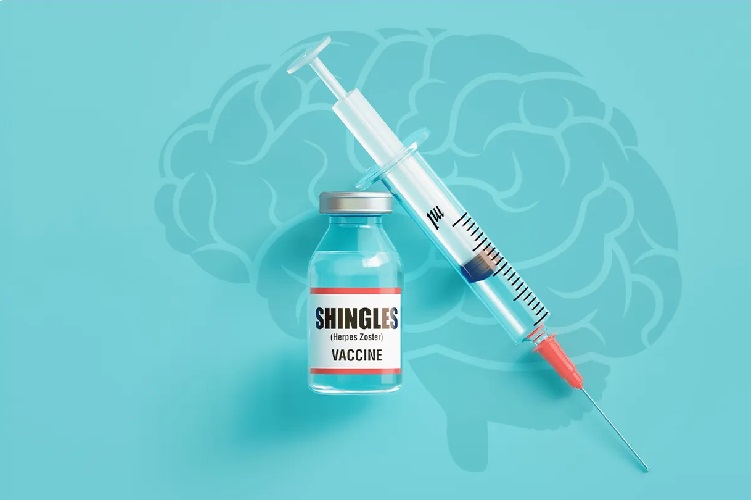
Keeping vaccination schedules up to date protects the entire school community, so verifying state requirements stays essential. Health agencies require specific immunizations before students enter kindergarten, middle school, and high school levels. Consequently, staying current on booster shots prevents contagious illness outbreaks within busy school buildings. Thus, families maintain a safe environment for students, teachers, and school staff alike.
Additionally, discussing seasonal flu vaccines and other preventive boosters with your pediatrician strengthens child immunity before winter months. Because classrooms foster close contact among peers, germs spread rapidly across shared desks and play areas. Consequently, building strong immune defenses reduces sick days and keeps learning uninterrupted. Therefore, reviewing vaccine histories with your doctor forms a vital part of seasonal preparation.
Prioritizing Mental Health in Your Back-to-School Health Checklist
Academic success depends heavily on emotional stability, so monitoring student mental health requires equal attention. Transitioning from summer freedom to structured school days often causes anxiety and stress for growing children. Fortunately, including mental health check-ins on your back-to-school health checklist encourages open family discussions about academic worries. As a result, parents identify emotional distress signs long before academic pressures build up.
Furthermore, establishing consistent daily sleep schedules weeks before school starts reduces emotional irritability significantly. While summer break allows flexible bedtimes, late nights harm cognitive focus and mood regulation during school weeks. Because adequate rest powers brain performance, setting early bedtime routines helps children adapt smoothly. Consequently, well-rested students handle daily classroom challenges with greater resilience and confidence.
Key Steps on Your Back-to-School Health Checklist
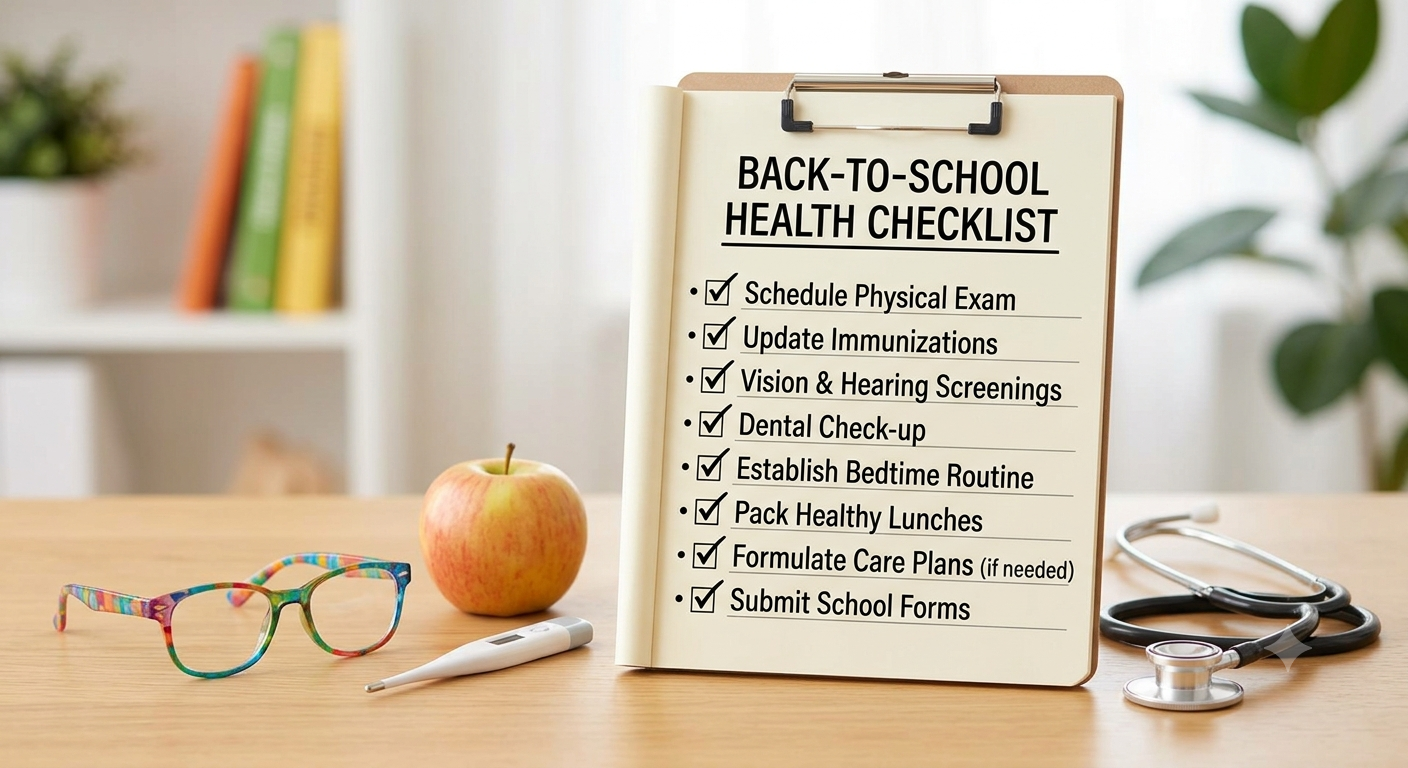
Organizing health tasks methodically streamlines your preparation, so following structured steps prevents missing critical requirements. First, gather previous immunization files and school health forms to review necessary updates. Next, book pediatric, dental, and vision appointments well before August demand surges. Once appointments complete, submit verified health documents directly to the school nurse’s office.
- Schedule comprehensive physical and athletic clearance examinations early in summer.
- Update mandatory state immunizations and request official vaccination records.
- Book professional dental cleanings and comprehensive eye examinations.
- Establish consistent daily sleeping and nutritious meal routines ahead of time.
- Submit completed medical forms and emergency prescription plans to the school.
After submitting necessary medical paperwork, verify that school nurses understand any special healthcare accommodations needed. In non-emergency cases, schools process health records within a few business days smoothly. However, students managing chronic conditions like asthma or diabetes require detailed action plans on file before day one. Once administrators file all approved documents, your child steps into the classroom safely.
Nutrition and Daily Wellness Habits for Students
Promoting proper nutrition sustains energy levels throughout long school days, so planning healthy meals remains essential. Packed lunches containing whole grains, lean proteins, and fresh fruits boost cognitive focus and physical stamina. Conversely, sugary snacks cause mid-afternoon energy crashes that impair learning concentration. Therefore, offering nutrient-dense foods supports consistent mental sharpness during study hours.
In addition, teaching proper hand hygiene habits prevents common illnesses from spreading at home and school. Encourage children to wash their hands with soap for twenty seconds before meals and after recess. Since shared school supplies carry germs easily, maintaining clean hands drastically reduces viral infections. Thus, combining proper nutrition with basic hygiene keeps students healthy and active throughout the school year.
Ensuring Long-Term Academic and Physical Success
Completing a back-to-school health checklist lays a solid foundation for a safe, successful, and productive academic year. By addressing physical exams, immunization needs, and mental wellness early, parents remove unnecessary stressors before classes begin. Although managing appointments demands time and effort, protecting your child’s well-being makes every step worthwhile. Consequently, taking proactive health measures today ensures that your child thrives inside and outside the classroom.