As the body gets older, keeping blood pressure in a healthy range becomes increasingly important. However, age does not mean that high blood pressure is unavoidable. Simple daily habits can support heart health and help lower blood pressure as you age. A balanced diet, regular movement, good sleep, stress control, and routine health checks can all make a difference. According to the CDC, high blood pressure is consistently defined as 130/80 mm Hg or higher, and it often has no obvious symptoms.
Why Blood Pressure Can Change With Age
Blood pressure measures the force of blood pushing against the walls of the arteries. As people grow older, blood vessels can become less flexible. Consequently, the heart and blood vessels may need to work harder to move blood through the body. At the same time, several lifestyle factors can affect blood pressure. A diet high in sodium, limited physical activity, excess alcohol, tobacco use, poor sleep, and long-term stress can all increase risk. Family history and certain health conditions can also play a role.
Therefore, healthy aging should include regular attention to blood pressure. A single high reading does not always mean that a person has hypertension. Instead, healthcare professionals usually consider repeated measurements and the person’s overall health. The good news is that many of the factors linked with high blood pressure can be changed. For that reason, learning how to lower blood pressure as you age can become part of a long-term approach to better heart health.
Choose Foods That Support Healthy Blood Pressure
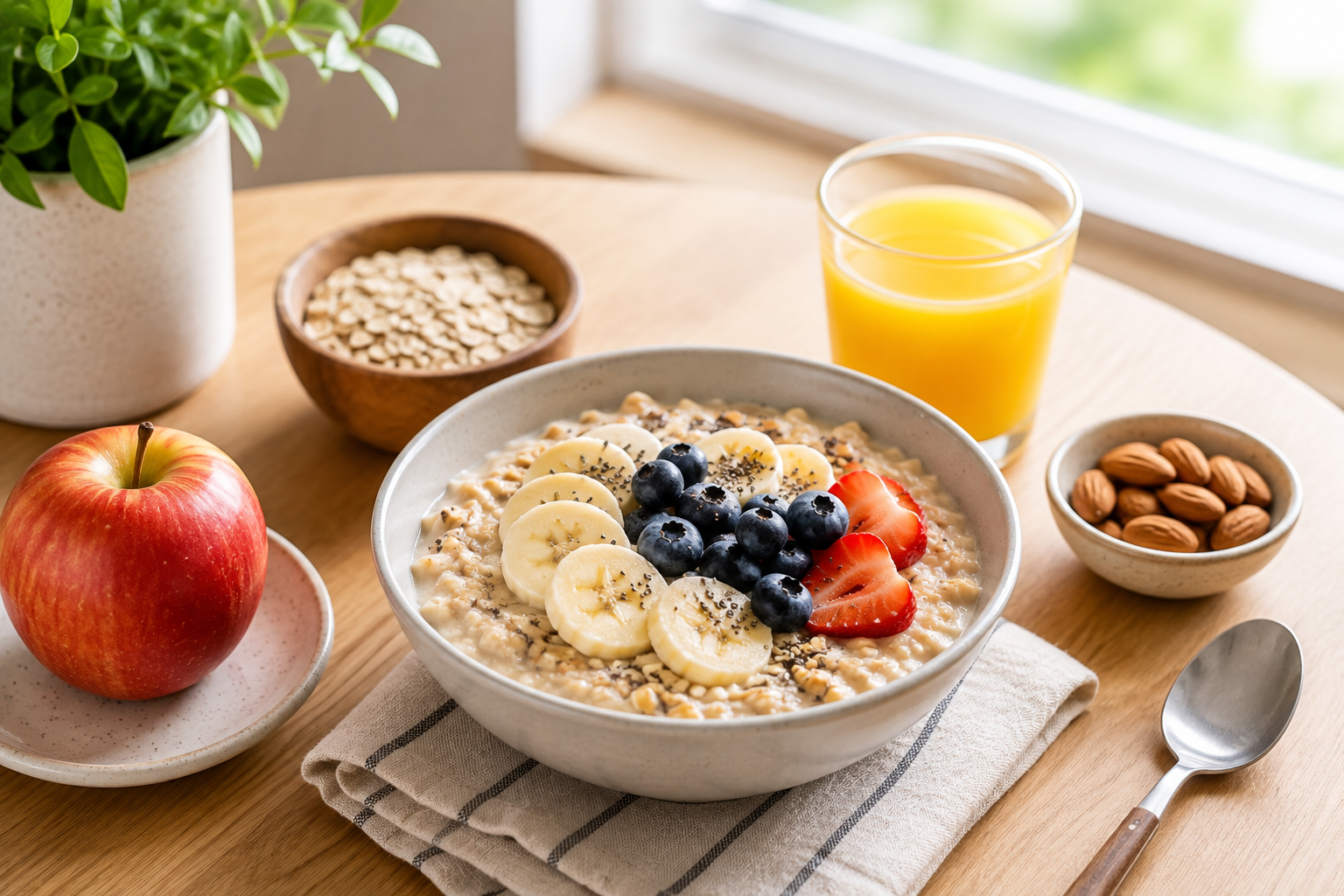
Food choices have a strong effect on cardiovascular health. Therefore, making small changes to everyday meals can be a useful starting point. A diet rich in vegetables, fruits, whole grains, beans, nuts, seeds, and lean sources of protein can provide important nutrients while supporting overall heart health. In addition, choosing minimally processed foods can make it easier to control sodium, added sugar, and unhealthy fats.
Sodium deserves special attention. Too much sodium can contribute to higher blood pressure in many people. Consequently, check nutrition labels when buying packaged foods, sauces, canned products, soups, and ready-to-eat meals. However, reducing salt does not mean that meals have to become bland. Instead, try herbs, spices, garlic, ginger, lemon, or vinegar to add flavor. Gradual changes are often easier to maintain than strict restrictions.
The DASH eating pattern is another well-known approach to blood pressure management. It emphasizes vegetables, fruits, whole grains, low-fat dairy foods, fish, poultry, beans, nuts, and other nutrient-rich foods. Moreover, portion size matters. Eating balanced portions can support a healthy weight, which may also help with blood pressure control. The CDC recommends a healthy diet, limiting sodium and alcohol, and maintaining a healthy weight as part of blood pressure prevention and management.

Stay Active to Lower Blood Pressure as You Age
Regular movement is one of the most practical ways to support cardiovascular health. Fortunately, exercise does not have to mean intense gym sessions. Walking, swimming, cycling, dancing, gardening, and other enjoyable activities can help people stay active. For older adults, consistency often matters more than intensity. A short walk each day may be more realistic than an occasional demanding workout. Over time, these small sessions can become a regular routine.
The CDC recommends about 30 minutes of physical activity a day, five days a week, as part of a healthy approach to blood pressure. Strength exercises can also be useful as people age. Maintaining muscle helps support mobility and independence. In addition, balance-focused activities can help older adults remain confident during everyday movement.
Before starting a new exercise program, especially after a long period of inactivity, talk with a healthcare professional. This is particularly important for people who have existing heart problems, dizziness, joint problems, or other medical concerns. Most importantly, choose activities that you can continue. A moderate daily walk that becomes a habit may be more helpful than a difficult workout that you stop after a few weeks.
Maintain a Healthy Weight
Weight and blood pressure are closely connected. Carrying excess body weight can increase the workload placed on the cardiovascular system. Therefore, maintaining a healthy weight can be an important part of lower blood pressure as you age. Still, weight management should not be approached as a quick-fix project. Extreme diets may be difficult to maintain and may not provide the nutrition that older adults need.
Instead, focus on steady habits. Build meals around vegetables, fruits, whole grains, protein-rich foods, and appropriate portions. At the same time, reduce frequent intake of highly processed snacks, sugary drinks, and oversized meals. Regular physical activity can support this process as well. Even when weight loss is not the main goal, staying active can benefit heart health, strength, mobility, and overall well-being.
Furthermore, speak with a healthcare professional before making major dietary changes. Older adults may have different nutritional needs, medications, or medical conditions that should be considered.
Manage Stress for Better Heart Health
Daily stress can affect how the body responds to different situations. During stressful periods, heart rate and blood pressure can rise temporarily. However, long-term stress may also make healthy routines harder to maintain. Therefore, finding practical ways to manage stress can support better overall health. Simple activities such as walking outdoors, reading, listening to music, gardening, spending time with friends, or practicing slow breathing may help create a calmer daily routine.
Social connection also matters. Staying connected with family, friends, community groups, or other supportive people can make healthy aging easier. Moreover, having regular social contact can encourage people to remain active and engaged. Stress management does not require removing every source of stress. Instead, the goal is to develop healthy ways to respond to it.
For people who frequently feel overwhelmed, anxious, or unable to cope, talking with a qualified healthcare professional can be useful. Mental and physical health often influence each other, so both deserve attention.
Get Enough Quality Sleep
Sleep is another important part of cardiovascular health. Poor or irregular sleep can make it harder to maintain healthy habits and may affect blood pressure. As a result, create a regular sleep routine whenever possible. Going to bed and waking up around the same time can help establish consistency. Also, keep the bedroom comfortable, quiet, and suitable for sleep.
Avoiding heavy meals, excessive alcohol, and stimulating activities close to bedtime may also help. Furthermore, limiting screen use before bed can make it easier for some people to relax. However, persistent sleep problems should not simply be dismissed as part of getting older. Loud snoring, repeated nighttime waking, extreme daytime tiredness, or other ongoing symptoms may deserve medical attention. Good sleep supports more than blood pressure. It can also contribute to better concentration, mood, energy, and daily functioning.
Avoid Tobacco and Limit Alcohol
Smoking and tobacco use can harm the cardiovascular system. Therefore, quitting tobacco is an important step toward better heart health at any age. Quitting may be difficult, but support can make the process easier. A healthcare professional can discuss evidence-based strategies and resources that may improve the chance of success.
Alcohol also deserves attention. Drinking too much alcohol can increase the risk of high blood pressure. Consequently, people who drink should discuss an appropriate amount with their healthcare professional. Individual recommendations can vary based on age, medications, medical conditions, and other factors. Replacing alcohol with water, sparkling water, or another non-alcoholic drink can be a simple change for people who want to reduce their intake.
Monitor Your Blood Pressure Regularly
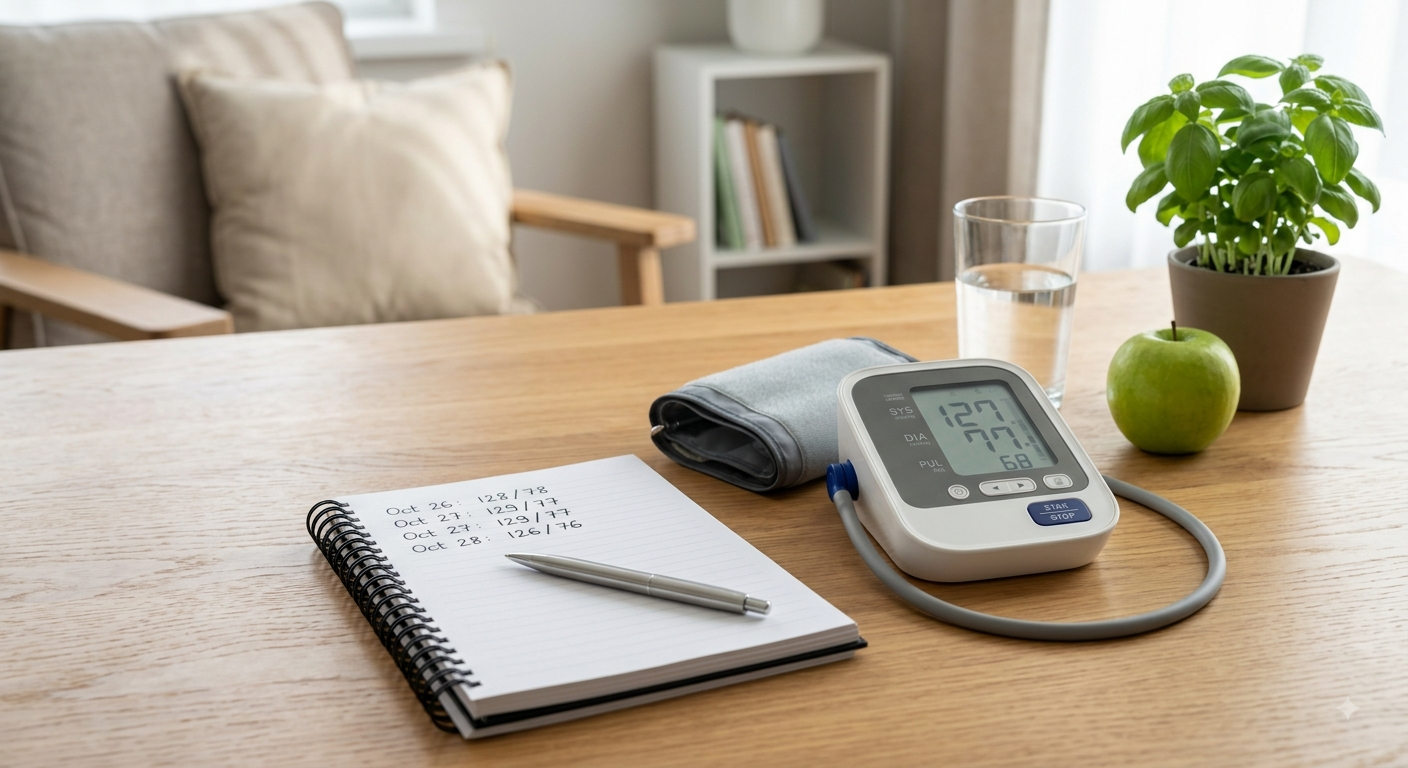
Lifestyle changes work best when you know whether they are helping. Therefore, regular blood pressure monitoring can provide useful information. The American Heart Association recommends home monitoring for people diagnosed with high blood pressure. An automatic upper-arm cuff-style monitor is generally preferred, and the cuff should fit correctly.
For a more accurate reading, sit quietly for at least five minutes before measuring. Keep your arm supported at heart level, place the cuff on bare skin, and avoid talking during the measurement. The AHA also recommends taking two readings about one minute apart and recording the results. However, home monitoring should not replace medical appointments. Instead, your readings can give your healthcare professional a better picture of your blood pressure over time.
A single unusual reading may not tell the whole story. Consequently, keeping a record of readings can be more useful than reacting to one number. If a reading is suddenly above 180/120 mm Hg, the AHA advises waiting at least one minute and testing again. If it remains that high, contact a healthcare professional immediately. When a reading above 180/120 occurs with symptoms such as chest pain, shortness of breath, weakness, vision changes, or difficulty speaking, emergency medical help is needed.
Take Medicines Exactly as Prescribed
Lifestyle changes are valuable, but they are not always enough to control hypertension. Some people need medication in addition to diet, exercise, weight management, and other healthy habits. The CDC notes that some people can control blood pressure through lifestyle changes, while others need blood pressure medicine.
Therefore, never stop or change prescribed blood pressure medication simply because a home reading looks better. Instead, discuss any concerns with your healthcare professional. Medication needs can also change over time. For example, another medicine, a change in health, or repeated blood pressure readings may affect a treatment plan.
Keeping an updated list of medicines and supplements can help during medical appointments. It can also help healthcare professionals identify possible interactions or other concerns.
Make Small Changes That Last
Healthy blood pressure management is usually a long-term process. Therefore, trying to change everything at once may not be the best approach. Start with one or two realistic habits. For example, replace a high-sodium packaged food with a lower-sodium option. Then, add a short daily walk. Later, work on sleep, stress management, or another habit.
Small changes can become easier when they fit naturally into your routine. For instance, taking a walk after lunch or dinner can create a regular activity cue. Similarly, keeping healthier foods available at home can make better choices easier. Family members can also help. Sharing meals, taking walks together, or helping with medical appointments can provide useful support.
Most importantly, remember that healthy aging is not about perfection. A missed walk or an occasional less-healthy meal does not erase your progress. Simply return to your routine at the next opportunity.
Keep Your Blood Pressure Goals Personal
There is no single plan that works equally well for every older adult. Age, medical history, medications, kidney health, diabetes, cardiovascular risk, mobility, and other factors can all influence treatment decisions. For that reason, lower blood pressure as you age should be approached with guidance from a qualified healthcare professional rather than through a one-size-fits-all plan.
Healthy habits remain valuable at every stage of life. A nutritious diet can support the heart. Regular activity can improve fitness. Better sleep can support daily energy. Stress management can make healthy routines easier. Regular monitoring can help identify changes early. Together, these steps can support healthier aging and reduce the risks associated with uncontrolled high blood pressure.
A Practical Approach to Lower Blood Pressure as You Age
The most effective approach is often the simplest one: create habits that you can maintain for years. Eat more whole foods, reduce excess sodium, stay physically active, maintain a healthy weight, avoid tobacco, limit alcohol, sleep well, and monitor your blood pressure when advised. At the same time, stay connected with your healthcare team. Blood pressure can change with age, so regular checkups remain important.
Ultimately, the goal is not simply to chase a lower number. It is to protect the heart, brain, kidneys, blood vessels, and overall quality of life. With consistent habits and appropriate medical guidance, it is possible to take meaningful steps toward lower blood pressure as you age and support better health for the years ahead.