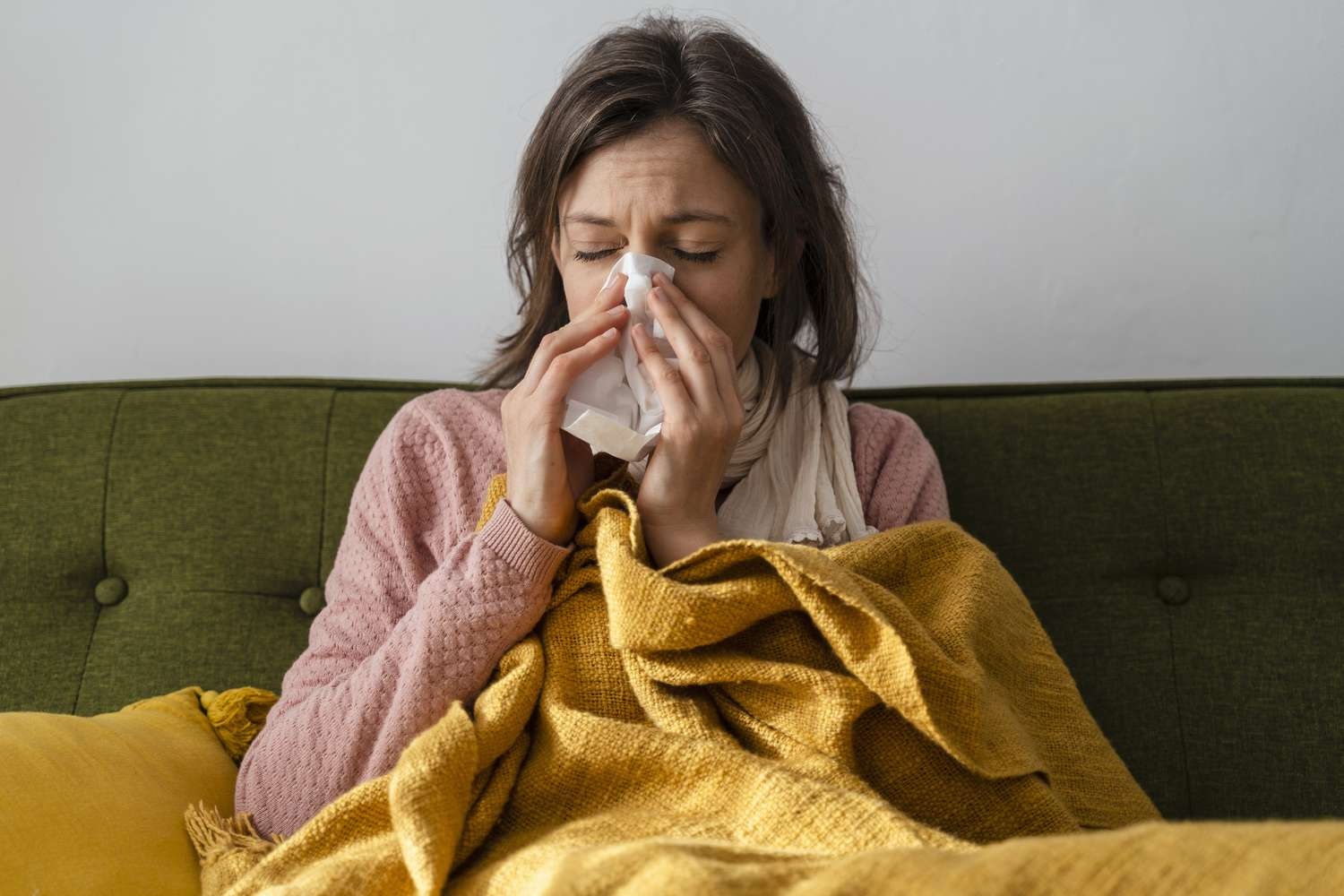
Respiratory infections can affect people of every age. However, RSV in adults may become more serious for older people and those with certain health conditions. Respiratory syncytial virus, commonly called RSV, often causes cold-like symptoms. Nevertheless, some adults can develop pneumonia or experience worsening of existing heart and lung problems. Therefore, understanding the symptoms, risks, and prevention steps can help adults respond to the infection more safely.
What Is RSV in Adults?
RSV in adults refers to infection caused by respiratory syncytial virus. The virus affects the nose, throat, airways, and lungs. Generally, healthy adults experience a mild illness that resembles a common cold. However, the infection can become more serious in certain groups. According to the CDC, adults ages 75 and older face a higher risk of severe RSV illness. In addition, adults ages 50 to 74 may face increased risk when they have certain medical conditions or other risk factors.
Moreover, RSV spreads through respiratory secretions and close contact. An infected person can spread the virus through coughing or sneezing. Touching contaminated surfaces and then touching the eyes, nose, or mouth can also spread infection. Consequently, everyday hygiene remains an important part of prevention.
Common RSV Symptoms in Adults
The symptoms of RSV in adults often appear gradually. According to the CDC, symptoms generally develop four to six days after infection. Common symptoms include a runny or blocked nose, cough, sneezing, fever, wheezing, and reduced appetite. Additionally, some adults may experience fatigue, headache, sore throat, or general discomfort. However, symptoms can vary from person to person. Some adults may have very mild symptoms, while others can become significantly unwell.
Usually, mild RSV infections improve within one to two weeks. Therefore, many healthy adults can recover with rest, fluids, and appropriate symptom care. Nevertheless, people at higher risk should pay close attention to changes in their condition. Importantly, RSV symptoms can resemble those caused by other respiratory viruses. As a result, symptoms alone may not always identify the specific virus responsible for an illness. A healthcare professional can advise whether testing or additional evaluation is appropriate.

Who Faces a Higher Risk of Severe RSV?
Not every adult faces the same level of risk. Therefore, age and existing health conditions are important considerations. Adults aged 75 and older have a higher risk of serious illness. Furthermore, adults between 50 and 74 may have greater risk when they have chronic heart or lung disease, a weakened immune system, certain other medical conditions, or live in a nursing home.
For example, people with asthma or chronic obstructive pulmonary disease may experience worsening respiratory symptoms during an RSV infection. Similarly, RSV can aggravate heart failure in some adults. Consequently, people with these conditions should discuss respiratory symptoms with their healthcare provider. The risk can also increase when several health factors occur together. Thus, older adults and people with chronic illnesses should take new respiratory symptoms seriously.
Why RSV Can Become Serious
In many adults, RSV causes a mild respiratory illness. However, RSV in adults can sometimes progress to more serious disease. Pneumonia is one possible complication. In severe cases, hospitalization may become necessary. Furthermore, RSV may worsen existing conditions. For instance, an infection can trigger problems for someone who already has asthma or COPD. It can also contribute to worsening heart failure.
Breathing problems are particularly important warning signs. Likewise, chest pain or pressure, confusion, sudden dizziness, difficulty eating or drinking, or symptoms that continue to worsen require prompt medical attention. The CDC recommends contacting a healthcare professional when these symptoms occur. Therefore, adults should avoid assuming that every respiratory infection will remain mild. Early attention can be especially important for people who already have health conditions.
How RSV Spreads Among Adults
RSV in adults can spread through close contact with an infected person. For example, respiratory droplets can reach another person’s eyes, nose, or mouth when someone coughs or sneezes. The virus can also remain on certain surfaces for a period of time. Consequently, touching a contaminated object and then touching the face may provide another route for infection.
Because of this, regular handwashing can help reduce exposure. Cleaning frequently touched surfaces may also be useful. In addition, people who feel sick should take steps to avoid close contact with others. These habits become especially important around older adults and people with weakened immune systems. Therefore, simple prevention measures can protect both individuals and their families.
Preventing RSV in Adults
Preventing respiratory infections requires several practical habits. First, adults can practice good hand hygiene and avoid touching their face with unwashed hands. In addition, staying away from people who are clearly sick can reduce exposure. People who develop respiratory symptoms should also limit close contact with others while they recover. The CDC recommends staying home and away from others until symptoms are improving and a person has been fever-free for at least 24 hours without using fever-reducing medicine. Extra precautions are recommended for the following five days.
Furthermore, eligible adults can discuss RSV vaccination with a healthcare professional. Current CDC recommendations call for a single RSV vaccine dose for all adults aged 75 and older and for adults aged 50 to 74 who have an increased risk of severe RSV illness.
Understanding the RSV Vaccine
The RSV vaccine is designed to reduce the risk of severe respiratory illness caused by RSV. Currently, the CDC recommends vaccination for adults aged 75 and older, along with adults aged 50 to 74 who have specific risk factors. Importantly, the RSV vaccine is not currently an annual vaccine. Adults who have already received an RSV vaccine generally do not need another dose at this time.
There are currently three FDA-licensed RSV vaccines for adults: Arexvy, mResvia, and Abrysvo. The CDC does not currently recommend one of these vaccines over another for eligible adults. Therefore, adults should discuss their age, health history, previous vaccination, and personal risk factors with a healthcare professional before vaccination.
Caring for RSV Symptoms at Home
Most mild RSV infections improve without specific antiviral treatment. Therefore, supportive care can help manage symptoms while the body recovers. Drinking enough fluids is important because fever and illness can increase the risk of dehydration. Rest can also help the body recover. Additionally, some adults may use over-the-counter medicines to manage fever, pain, or other symptoms.
However, older adults and people taking prescription medicines should be careful with over-the-counter products. Some medicines can affect blood pressure or interact with existing medications. Consequently, speaking with a healthcare professional or pharmacist can help avoid unwanted problems. People should also monitor their symptoms. A worsening cough, increasing breathing difficulty, chest discomfort, confusion, or difficulty maintaining fluid intake can signal a need for medical evaluation.
When to Seek Medical Attention
RSV in adults does not always require emergency care. Nevertheless, certain symptoms should receive prompt attention. Difficulty breathing is an important warning sign. Similarly, chest pain or pressure, sudden dizziness, confusion, difficulty drinking enough fluids, or worsening symptoms can require medical evaluation.
Older adults and people with chronic heart, lung, kidney, or immune-related conditions should be particularly careful. Their risk of severe respiratory illness may be higher than that of healthy younger adults. Furthermore, people should not wait for symptoms to become severe before discussing concerns with a healthcare professional. Early communication can help determine whether home care, testing, monitoring, or further treatment is appropriate.
Staying Prepared During Respiratory Virus Season
Seasonal respiratory infections can place additional pressure on families and healthcare systems. Therefore, preparation can help reduce unnecessary risks. Adults can keep commonly used medicines available, stay hydrated, maintain regular hand hygiene, and monitor changes in respiratory symptoms. Moreover, people at higher risk can discuss recommended vaccinations with their healthcare provider before the respiratory virus season becomes active.
Ultimately, RSV in adults deserves attention because its effects can range from a mild cold-like illness to serious respiratory disease. Most healthy adults recover without major complications. However, older adults and people with certain medical conditions need to take symptoms more seriously. Understanding the warning signs, practicing good hygiene, and discussing RSV vaccination when eligible can provide important protection. Above all, adults should seek medical advice when symptoms become severe or continue to worsen. With informed care and sensible prevention habits, people can better manage respiratory risks throughout the year.