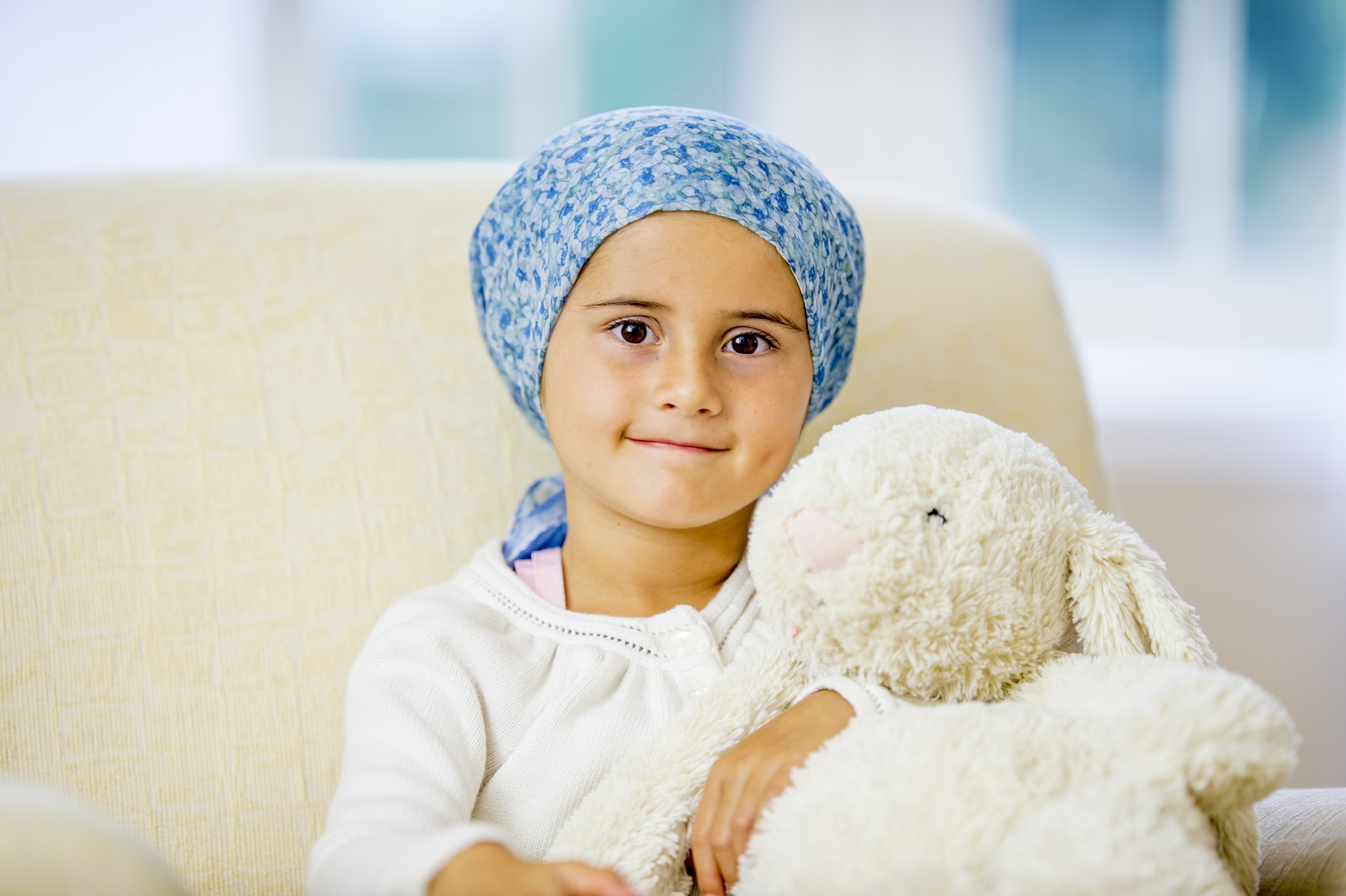
Medical progress is changing how we approach health challenges for young patients across the country. Today, child cancer survivorship represents a journey of remarkable resilience, ongoing medical innovation, and vital community support. Families facing a pediatric oncology diagnosis encounter many tough emotional moments along the way. However, treatment advancements now offer unprecedented reasons for optimism. Medical researchers continue to push boundaries to improve survival statistics significantly. Furthermore, specialized care models ensure that young survivors receive comprehensive care well past their initial recovery.
According to data from the National Cancer Institute, 85 percent of children diagnosed with cancer survive at least five years. Consequently, this reflects a major leap from thirty years ago when survival rates hovered around 75 percent. This steady rise in success shows the power of dedicated clinical trials. Additionally, consistent funding enables medical teams to refine complex life-saving therapies. While these numbers bring immense relief to parents, surviving the initial illness is only one step of the journey. Continuous support remains essential as growing children transition into long-term wellness.
How Child Cancer Survivorship Depends on Continued Research
Medical breakthroughs do not happen by chance because they demand dedicated financial resources and steady vision. Thus, sustained funding plays a pivotal role in advancing child cancer survivorship through targeted scientific studies. Organizations such as Hyundai Hope on Wheels have contributed over 300 million dollars toward pediatric research initiatives over twenty-eight years. Consequently, these financial grants support more than 1,600 programs at 210 top medical institutions nationwide. Furthermore, these investments help scientists uncover gentler therapies that target malignant cells without harming healthy developing tissues.
In addition, focused research helps physicians develop custom treatment plans for unique childhood conditions. Doctors now use genetic sequencing to tailor therapies specifically for young individuals. As a result, patients experience fewer acute side effects during intense chemotherapy or radiation cycles. Furthermore, research teams closely monitor long-term clinical data to catch potential late-stage complications early. Therefore, expanding financial commitments directly transforms clinical outcomes for thousands of children every single year.
Understanding the Realities Beyond Treatment Completion
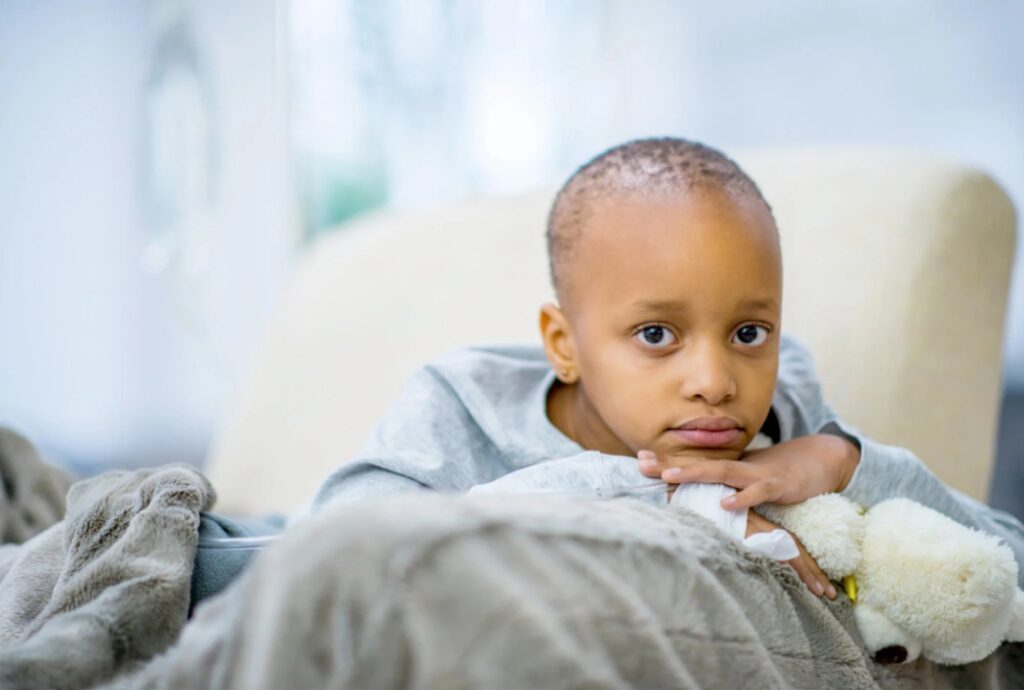
Many people assume that ringing the hospital bell signifies a complete end to medical challenges. Therefore, public understanding often misses the subtle complexities that follow immediate recovery. A national survey revealed that 46 percent of adults believe a child is entirely cured once active treatment ends. However, the physical body needs considerable time to repair itself after heavy clinical intervention. Thus, long-term child cancer survivorship requires continuous monitoring, ongoing physical therapy, and careful developmental tracking.
Young patients frequently undergo multi-year treatment schedules involving scans, routine laboratory pokes, and long hospital stays. For instance, children diagnosed with B-cell acute lymphoblastic leukemia often face two full years of intense therapy. Consequently, returning to a typical daily routine involves emotional adjustments alongside physical rehabilitation. Transitioning back into traditional school classrooms presents unique academic and social hurdles for recovering youth. Therefore, comprehensive survivorship programs help bridge the gap between hospital discharge and full social reintegration.
Why Child Cancer Survivorship Needs Strong Patient Advocacy
Personal stories highlight the human spirit behind statistics and clinical data. Youth ambassadors who survived pediatric conditions actively share their personal experiences to inspire others facing similar path choices. Consequently, these brave young advocates educate the public about the real physical demands of long-term healing. Their personal accounts demonstrate that child cancer survivorship involves emotional growth, self-discovery, and ongoing courage. Furthermore, these young leaders prove that peer encouragement helps newly diagnosed children remain hopeful during difficult hospital stays.
In addition, youth advocates help raise awareness about the necessity of continuous medical funding. They speak openly about the hidden struggles that occur after primary treatments conclude successfully. Thus, their public outreach encourages communities to support local children’s hospitals and research foundations. Moreover, raising public awareness helps reduce the social isolation that young patients sometimes feel during recovery. Therefore, youth advocacy remains a vital engine driving progress across the pediatric healthcare landscape.
Essential Components of Post-Treatment Healing Care
Long-term medical oversight helps healthcare teams catch potential health issues long before they become serious. Hence, specialized survivorship clinics design dynamic care plans tailored to each child’s specific treatment history. These personalized roadmaps guide primary care doctors as survivors mature into healthy teenagers and adults. Furthermore, structured survivorship care empowers families with practical tools to manage long-term wellness proactively. Therefore, integrated medical care ensures that surviving cancer leads directly to a thriving, active life.
Doctors schedule routine checkups to track heart function, bone density, and organ health over time. In addition, customized exercise plans help young survivors regain muscle strength and overall vitality safely. Furthermore, professional counseling helps children process hospital experiences while building confidence for the future. Consequently, combining physical monitoring with emotional guidance creates a strong safety net for growing youth. Thus, comprehensive post-treatment programs ensure that every survivor receives continuous personalized attention.
The Role of Community Support in Child Cancer Survivorship
Local communities play a fundamental role in supporting families throughout their healing journey. Therefore, community centers, schools, and non-profit organizations offer crucial relief during demanding treatment phases. Furthermore, neighborhood fundraising events directly generate essential resources for local pediatric hospital programs. Volunteers who organize blood drives or coordinate family meal deliveries relieve immense daily stress for parents. Thus, collective community actions create a strong safety net for families navigating post-treatment challenges.
In addition, educational institutions can adapt classroom schedules to support returning young survivors seamlessly. Teachers who understand post-treatment fatigue can adjust assignments to help students keep pace comfortably. Moreover, peer support groups allow recovering children to build lasting friendships with others who share similar life experiences. Consequently, these compassionate community connections foster strong emotional resilience during crucial developmental stages. Therefore, unified public support remains a vital cornerstone for long-term child cancer survivorship.