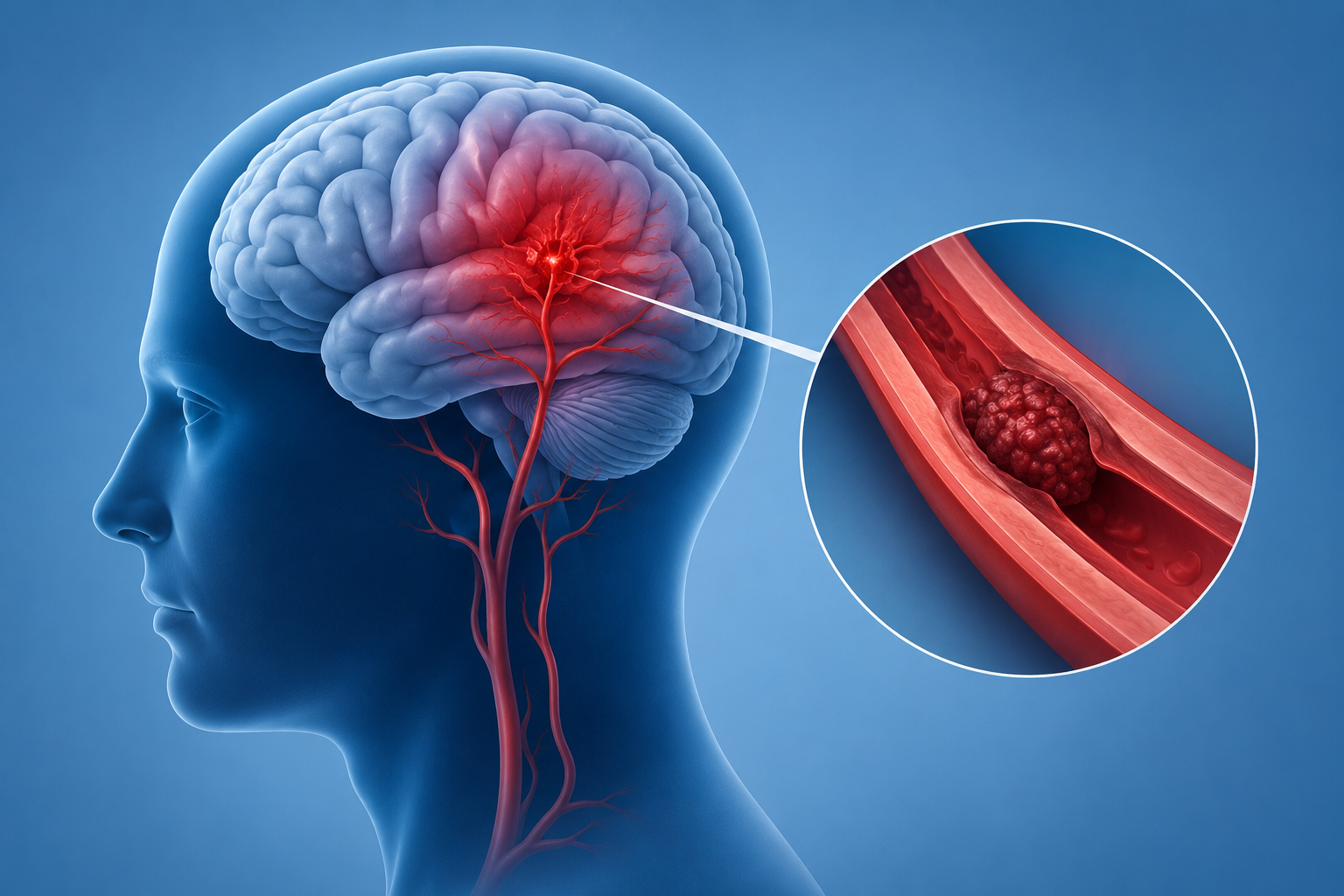
A stroke can happen suddenly and change a person’s life within minutes. However, understanding stroke risk factors can help people take better steps toward prevention and early care. A stroke occurs when blood flow to the brain is blocked or when a blood vessel breaks, affecting brain function. Therefore, learning about possible causes, warning signs, and recovery methods is important for protecting long-term health.
Many people do not notice the signs of a stroke quickly. As a result, they may delay getting medical support. Moreover, early recognition can improve the chances of better treatment and recovery. Therefore, awareness about stroke has become an important part of modern healthcare education.
Understanding Stroke Risk Factors That Affect Your Health
The first step toward stroke prevention is knowing the main causes that increase the chances of developing this condition. Several health and lifestyle factors can raise stroke risk. High blood pressure is one of the most common concerns because it can damage blood vessels over time. In addition, diabetes, high cholesterol, smoking, obesity, and heart-related conditions can also increase the possibility of stroke.
Age can also influence stroke risk, although strokes can affect younger people as well. Furthermore, family history and certain medical conditions may increase personal risk. Because of this, regular health checks are important for identifying problems before they become serious.
A healthy lifestyle plays a major role in reducing these dangers. For example, maintaining a balanced diet, staying physically active, managing stress, and avoiding tobacco can support better heart and brain health. Therefore, small daily choices can make a meaningful difference.
How Stroke Risk Factors Increase the Chance of Brain Damage
The brain needs a constant supply of oxygen and nutrients through blood flow. When that supply is interrupted, brain cells can begin to suffer damage. Therefore, understanding stroke risk factors helps people focus on prevention before an emergency happens.
High blood pressure may weaken blood vessel walls and make them more likely to develop problems. Similarly, uncontrolled blood sugar levels can harm circulation and increase complications. Moreover, unhealthy cholesterol levels may contribute to the buildup of plaque inside arteries.
Lifestyle habits also have an important connection with stroke chances. A lack of exercise, poor food choices, excessive stress, and smoking can negatively affect overall health. However, improving these areas may help lower future risks.
Regular medical appointments can also provide valuable information. Checking blood pressure, blood sugar, and cholesterol levels allows people to understand their health status. As a result, they can work with healthcare professionals to create better prevention plans.

Recognizing Early Signs Related to Stroke Risk Factors
A stroke often shows warning signs that should never be ignored. Common symptoms may include sudden weakness in the face, arm, or leg, especially on one side of the body. In addition, trouble speaking, confusion, vision problems, dizziness, or difficulty walking may appear.
The FAST method is commonly used to remember important stroke symptoms. Face drooping, Arm weakness, Speech difficulty, and Time to seek emergency help are key points to remember. Therefore, acting quickly can support faster medical evaluation.
Sometimes symptoms may appear briefly and then disappear. However, these temporary signs can still be serious. A person should not ignore unusual changes because they may indicate a larger health issue.
Awareness is especially important because many people wait to see whether symptoms improve. Unfortunately, delays can affect treatment options. Therefore, recognizing warning signs early is one of the most valuable steps in stroke care.
Prevention Methods Connected With Stroke Risk Factors
Preventing stroke begins with controlling the areas that can be changed. While some risks cannot be controlled, many daily habits can be improved. Therefore, focusing on stroke risk factors can help people create a healthier future.
A nutritious diet is one important part of prevention. Eating more fruits, vegetables, whole grains, and healthy sources of protein can support cardiovascular health. At the same time, reducing excess salt, sugar, and unhealthy fats may help manage important health concerns.
Physical activity is another powerful tool. Regular movement supports healthy blood circulation and helps maintain a balanced weight. Even simple activities such as walking can contribute to better wellness.
Stress management is also important. Long-term stress may affect blood pressure and lifestyle choices. Therefore, relaxation practices, proper sleep, and healthy routines can support overall health.
Avoiding smoking and limiting unhealthy habits can further reduce risk. Additionally, people with existing health conditions should follow medical advice and take prescribed treatments correctly.
Life After Stroke and Managing Recovery Challenges
Recovery after a stroke can be different for every person. Some people may recover quickly, while others may need long-term support. Therefore, patience, medical guidance, and rehabilitation are important parts of the recovery journey.
Many stroke survivors may experience changes in movement, speech, memory, or emotions. However, rehabilitation programs can help improve daily abilities. Physical therapy, speech therapy, and occupational therapy may support progress depending on individual needs.
Family support also plays a valuable role. Encouragement from loved ones can help survivors stay motivated during recovery. Moreover, creating a safe and supportive environment can improve confidence.
Mental health should also receive attention after a stroke. Feelings of frustration, anxiety, or sadness may occur during recovery. Therefore, emotional support and professional guidance can be helpful.
A healthy lifestyle remains important even after recovery. Managing health conditions, staying active, and following prevention strategies can reduce the chance of future problems.
Importance of Awareness About Stroke Risk Factors
Public awareness can help save lives because many strokes require quick action. When people understand stroke risk factors, they are more likely to recognize possible dangers and make healthier choices.
Education also helps families respond better during emergencies. Knowing the warning signs means people can seek medical help without unnecessary delay. Furthermore, community awareness programs can improve understanding of prevention and treatment.
Research and healthcare discussions continue to highlight the need for better stroke knowledge. Studies have shown that awareness of stroke symptoms and risks can influence how quickly people seek medical attention.
Healthcare providers also encourage regular checkups because prevention is often easier than managing serious complications. Therefore, learning about personal health risks is a valuable step for everyone.
Taking Action for Better Brain Health
Stroke awareness is an important part of protecting personal and family health. Understanding causes, recognizing symptoms, and making healthy lifestyle choices can reduce possible dangers.
Although a stroke can be life-changing, early action and proper care can improve outcomes. Therefore, learning about stroke risk factors and staying aware of health changes can support a safer and healthier future.
Small steps, such as regular health checks, balanced nutrition, exercise, and timely medical support, can create long-term benefits. With better awareness and preparation, people can take stronger control of their brain and overall health.