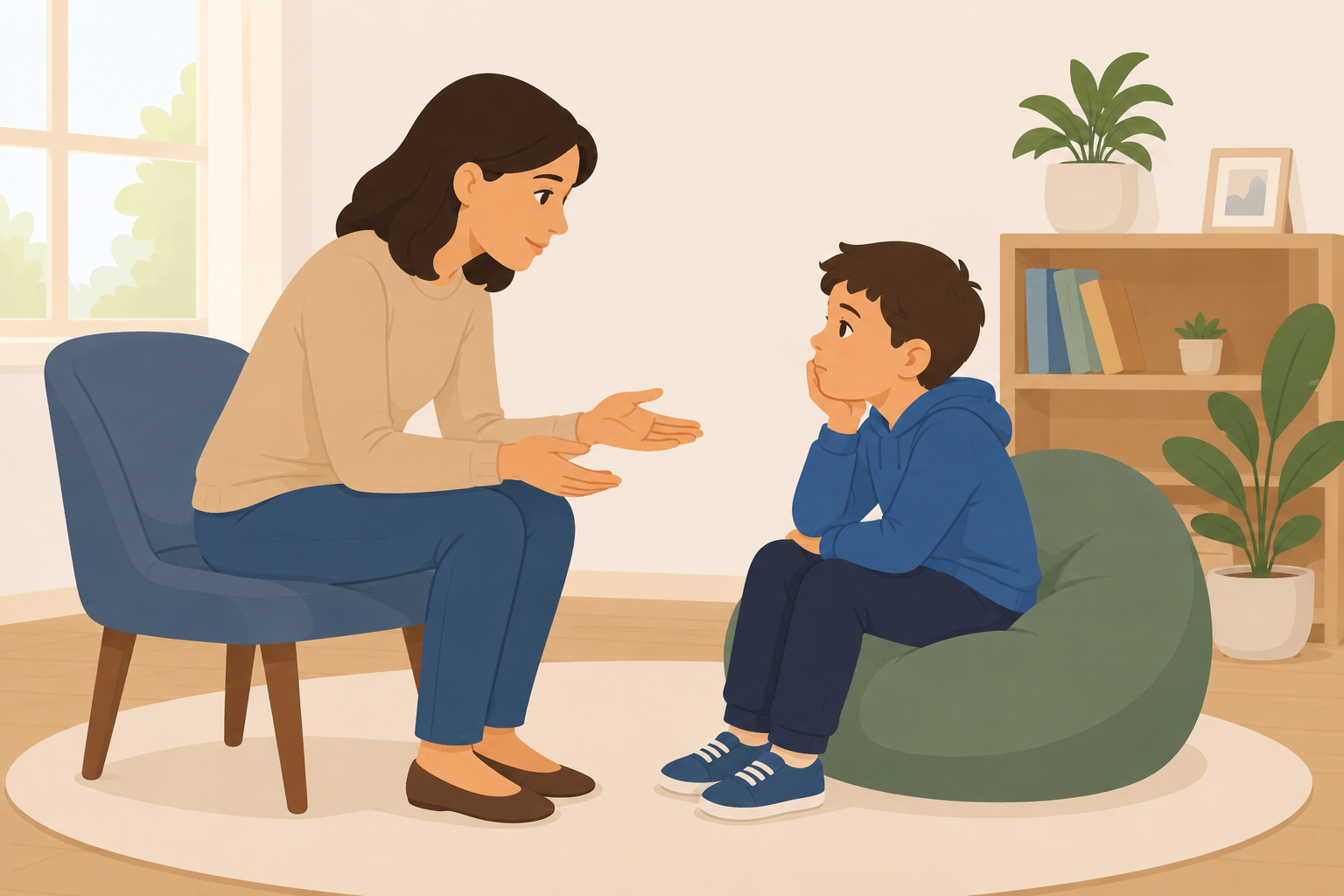
Mental Health Awareness plays an important role in helping families understand children’s emotional and behavioral changes. Children often express feelings differently than adults. Therefore, parents, teachers, and caregivers need to notice small changes that may show a child is struggling.
During Mental Health Awareness Month, attention grows around the importance of supporting children’s emotional well-being. Moreover, early recognition of concerns can help children receive proper care and guidance. Many children may not have the words to explain stress, fear, sadness, or anxiety. Instead, they may show these feelings through actions, habits, or changes in daily routines.
However, every child experiences emotions differently. A temporary mood change does not always mean a serious concern. Still, repeated changes in behavior, communication, or social habits may require attention. As a result, understanding common warning signs can help families create a safer and healthier environment for children.
Why Mental Health Awareness Matters for Children
Mental Health Awareness helps remove confusion around children’s emotional struggles. In the past, many people focused mainly on physical health while ignoring emotional needs. However, emotional wellness is also a major part of a child’s overall development.
Children face many challenges while growing up. School pressure, friendships, family changes, and personal fears can affect their emotional health. Therefore, parents should create open conversations where children feel comfortable sharing their thoughts.
Additionally, early support can improve a child’s ability to manage emotions and handle challenges. When adults understand children’s feelings, they can respond with patience instead of misunderstanding their behavior.
Mental health support does not always mean a child has a serious condition. Instead, it means providing care, encouragement, and guidance when children need extra help. This approach allows children to develop confidence and healthy coping skills.

Mental Health Awareness: Three Signs Parents Should Watch For
Mental Health Awareness encourages families to recognize signs that may appear in children. While every child is unique, some common changes can indicate emotional struggles.
1. Sudden Changes in Mood or Behavior
One important sign is a noticeable change in a child’s usual personality. For example, a normally active child may become quiet, withdrawn, or less interested in favorite activities. Similarly, a calm child may suddenly show frequent anger or frustration.
These changes may happen because children experience emotions they do not know how to manage. Therefore, parents should observe patterns instead of focusing on a single moment.
Moreover, children may react differently depending on their age. Younger children may become more emotional or clingy. Older children may avoid conversations or spend more time alone.
A supportive response can make a big difference. Instead of immediately correcting the behavior, parents can ask gentle questions and offer a safe space for discussion.
2. Changes in Sleep, Eating, or Daily Habits
Another sign connected with Mental Health Awareness is a change in regular routines. Sleep and eating patterns often reflect a child’s emotional state. For example, some children may struggle to sleep, while others may sleep much more than usual.
Likewise, changes in appetite can sometimes appear during periods of stress or emotional difficulty. A child who suddenly loses interest in meals or begins eating differently may need extra attention.
Additionally, children may stop enjoying activities they once loved. They may avoid hobbies, friends, or family interactions. Although these changes can happen occasionally, ongoing patterns should not be ignored.
Parents can support children by maintaining healthy routines. Regular sleep, balanced meals, physical activity, and positive family interactions can improve emotional stability.
3. Difficulty Communicating Feelings
Communication challenges are another important area linked with Mental Health Awareness. Many children struggle to explain complicated emotions. Instead, they may show frustration, sadness, or fear through behavior.
For instance, a child may say they are “fine” but continue showing signs of stress. Therefore, adults should pay attention to both words and actions.
Creating regular conversations can help children feel understood. Simple questions about their day, friendships, and feelings can encourage openness. Additionally, listening without immediate judgment helps build trust.
When children know they can share their worries, they are more likely to seek support during difficult moments.
How Parents Can Support Children’s Mental Wellness
Mental Health Awareness is not only about identifying problems. It is also about creating healthy habits that support children every day. Parents can help by showing emotional support and encouraging positive communication.
First, children need to feel accepted. They should understand that all emotions are normal and that asking for help is okay. Furthermore, parents can teach children simple ways to manage stress, such as deep breathing, creative activities, or spending time outdoors.
Another helpful step is maintaining a strong connection. Family conversations, shared activities, and active listening can improve a child’s sense of security.
Additionally, parents should avoid comparing children with others. Every child develops at a different pace. Positive encouragement can help children build self-esteem and emotional strength.
When Professional Support May Be Helpful
Sometimes, children may need additional support from a mental health professional. Persistent sadness, extreme worry, major behavior changes, or problems affecting daily life may require expert guidance.
However, seeking help does not mean a child has failed or that parents have done something wrong. Instead, professional support can provide children with tools to manage emotions and improve well-being.
Teachers, counselors, pediatricians, and mental health professionals can work together with families. As a result, children can receive support that matches their needs.
Promoting Healthy Emotional Growth through Awareness
Mental Health Awareness helps families understand that children’s feelings deserve attention and care. Emotional health affects learning, relationships, confidence, and overall development.
Parents do not need to have every answer immediately. However, being present, listening carefully, and noticing changes can make a meaningful difference.
Children grow best when they feel supported and understood. Therefore, promoting emotional awareness from an early age can help create stronger mental wellness habits for the future.