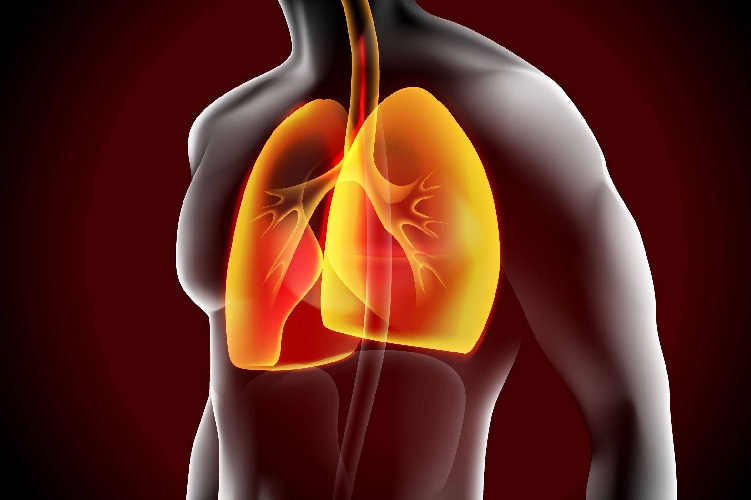
Minimally invasive COPD treatment is changing how patients with severe emphysema live every day. It offers a new path, and it brings hope where options once felt limited. Many patients struggle with breathlessness, and their quality of life drops fast. However, new medical advances now provide relief without major surgery.
Chronic obstructive pulmonary disease (COPD), including emphysema, damages the lungs over time. As a result, breathing becomes harder, and daily tasks feel exhausting. Yet, modern procedures now help patients breathe easier and regain control of their lives.
Understanding COPD and Emphysema
COPD is a long-term lung condition, and it includes diseases like emphysema and chronic bronchitis. Over time, the lungs lose their ability to move air efficiently. As a result, oxygen intake drops, and carbon dioxide builds up.
Emphysema specifically damages the tiny air sacs in the lungs. These sacs, called alveoli, normally expand and contract with each breath. However, when they break down, the lungs trap air and lose efficiency.
Because of this damage, patients often experience:
- Shortness of breath
- Chronic cough
- Chest tightness
- Fatigue
Although early stages may go unnoticed, symptoms worsen over time. Therefore, timely treatment becomes essential.
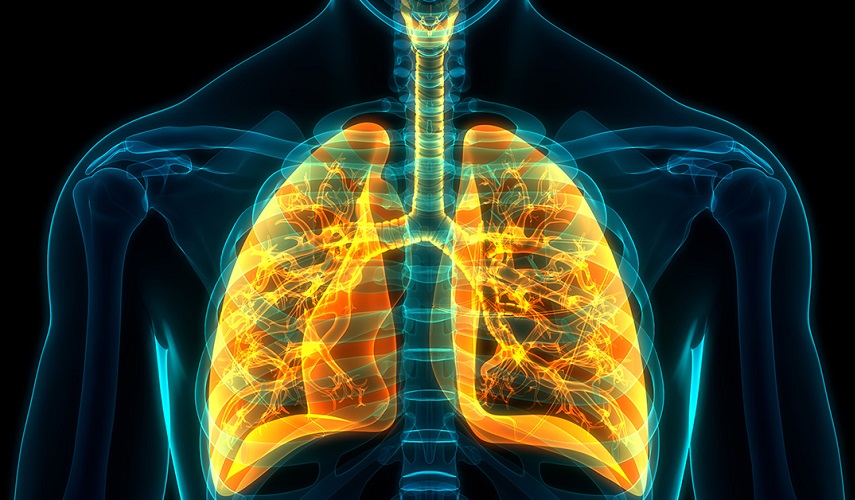
Why Traditional Treatments Are Not Always Enough
Doctors usually start with medications and lifestyle changes. These include inhalers, oxygen therapy, and pulmonary rehabilitation. While these methods help, they often fail in advanced stages.
In severe cases, patients may need lung volume reduction surgery. However, surgery carries risks, and not everyone qualifies. Many patients are too weak for such invasive procedures.
Because of this gap, doctors searched for safer options. As a result, minimally invasive COPD treatment has emerged as a powerful alternative.
What Is Minimally Invasive COPD Treatment?
Minimally invasive COPD treatment refers to advanced procedures that improve breathing without major surgery. One of the most effective methods is endobronchial valve therapy.
Doctors use a thin tube called a bronchoscope. Then, they place tiny one-way valves inside the airways. These valves allow trapped air to escape but block new air from entering damaged areas.
As a result:
- The damaged lung section shrinks
- Healthy areas expand better
- Breathing becomes easier
Importantly, the procedure does not require cuts or stitches. Therefore, recovery is faster and safer.
How Endobronchial Valves Improve Breathing
This minimally invasive COPD treatment works by reducing lung hyperinflation. In emphysema, trapped air causes the lungs to expand too much. This makes breathing harder.
However, valves help release trapped air. Then, the lungs return closer to normal size. As a result, the diaphragm works better, and oxygen flow improves.
Additionally, patients often notice benefits such as:
- Better airflow
- Less breathlessness
- Increased energy
- Improved physical activity
Many patients feel improvement within weeks or months.
Benefits of Minimally Invasive COPD Treatment
1. Faster Recovery
Unlike surgery, this minimally invasive COPD treatment requires no incisions. Therefore, patients recover quickly and return home sooner.
2. Improved Quality of Life
Patients often regain independence. They can walk, talk, and perform daily tasks with less effort.
3. Reduced Symptoms
Breathlessness decreases significantly. As a result, patients feel less fatigue and stress.
4. Reversible Procedure
Doctors can remove the valves if needed. Therefore, it offers flexibility and safety.
5. Increased Exercise Capacity
Patients become more active. Consequently, their overall health improves.
Who Can Benefit from Minimally Invasive COPD Treatment?
Not every patient qualifies for this procedure. However, it works best for those with advanced emphysema.
Ideal candidates usually:
- Have severe airflow limitation
- Experience constant breathlessness
- Do not respond well to medication
- Cannot undergo major surgery
Doctors perform tests such as lung function tests and CT scans. These help identify the right candidates.
Risks and Considerations
Although minimally invasive COPD treatment is safer than surgery, it still carries some risks. These may include:
- Lung infections
- Valve movement
- Temporary breathing discomfort
However, doctors monitor patients closely after the procedure. Therefore, most risks remain manageable.
Real-Life Impact: A New Way to Live
Many patients describe this treatment as life-changing. Before the procedure, even simple tasks felt impossible. However, after treatment, they regain freedom and independence.
Some patients return to hobbies. Others travel again or go back to work. This transformation highlights the power of modern medical innovation.
The Future of COPD Treatment
Medical science continues to evolve. Researchers are developing better tools and techniques. As a result, treatments are becoming safer and more effective.
Bronchoscopic procedures, including valve therapy, are now part of advanced care. They target lung damage directly, and they improve patient outcomes.
In the future, more patients will benefit from these innovations. Therefore, early diagnosis and awareness remain critical.
Minimally invasive COPD treatment offers a powerful solution for patients with severe emphysema. It reduces symptoms, improves breathing, and restores quality of life.
Although COPD remains a serious condition, new treatments bring real hope. Patients now have options beyond medication and surgery.
With proper care and timely intervention, breathing easier is no longer just a dream—it is becoming a reality.