Keeping your cardiovascular system strong requires consistent everyday habits. Recent research offers updated dietary guidance to reduce risk factors and boost long-term wellness. Therefore, making smart meal choices every day protects your blood vessels and improves energy levels. In this comprehensive guide, we examine heart healthy steps designed to transform your kitchen routine and support your physical wellness.
1. Adjust Energy Intake with Heart Healthy Steps
First, balancing your daily calories with your physical activity forms the foundation of wellness. Consequently, weight management remains a primary goal for cardiovascular protection. When you consume more calories than your body uses, excess energy stores as fat tissue. As a result, this extra weight creates strain on your arterial walls.
Furthermore, maintaining a stable weight improves insulin sensitivity across all age groups. You can achieve this balance without restrictive dieting. Instead, you should practice mindful eating during every meal. In addition, paying attention to full signals prevents overeating during late hours. Thus, incorporating heart healthy steps into your caloric management creates sustainable lifelong results.
Moreover, regular movement complements your daily nutritional goals. For example, a thirty-minute daily walk burning extra calories allows for greater flexibility in meal planning. Therefore, small physical activities compound into major health benefits over time.
2. Eat Whole Grains and Heart Healthy Steps
Next, replacing refined grains with whole options dramatically lowers heart risks. Refined grains lose important fiber during factory processing. In contrast, whole grains retain their bran and germ layers intact. Consequently, high-fiber foods slow down sugar absorption in your bloodstream.
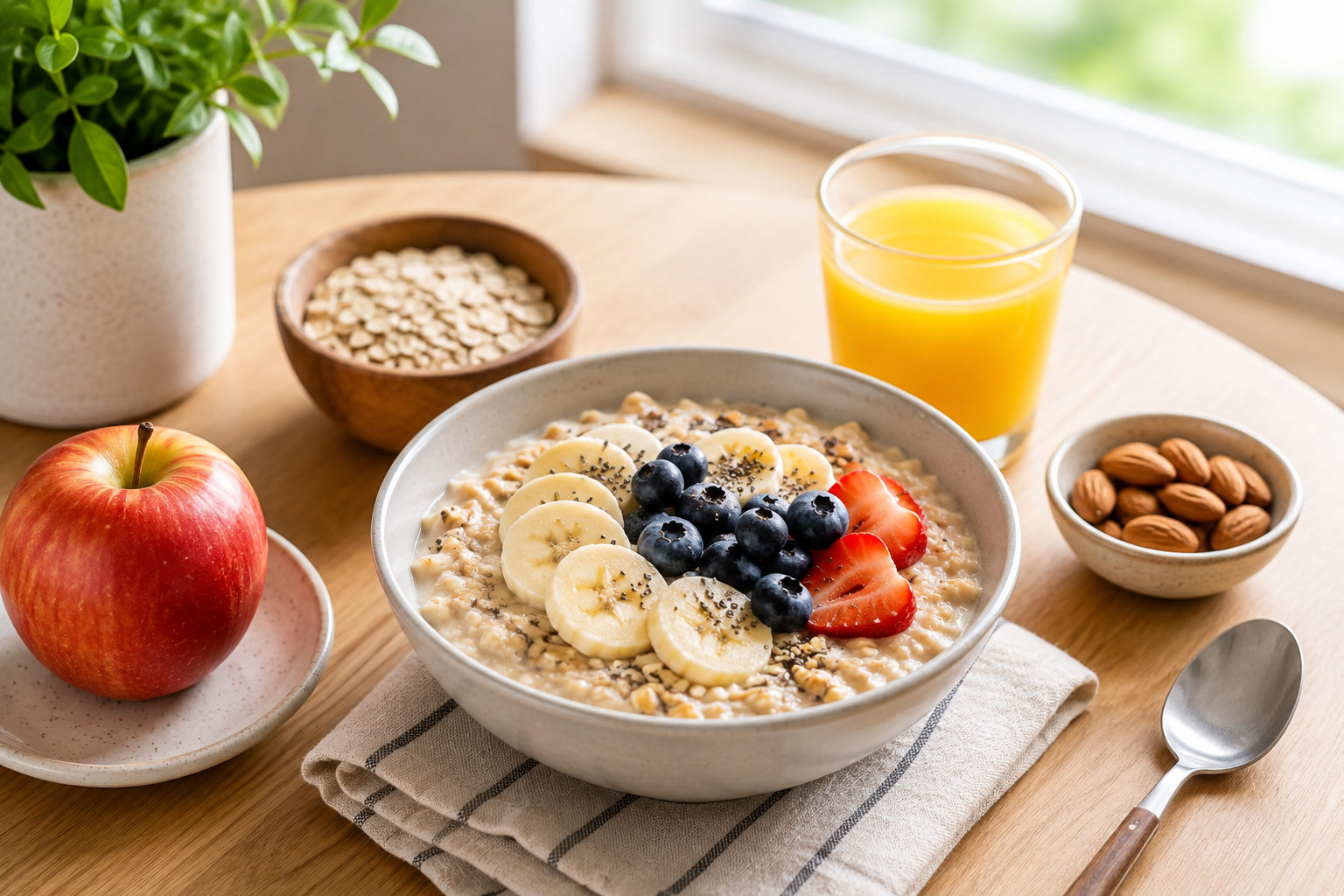
Additionally, soluble fiber acts like a sponge in your digestive system. It binds to cholesterol particles and removes them safely from your body. For instance, oats, quinoa, barley, and brown rice provide abundant dietary fiber. As a result, eating these foods daily helps lower bad LDL cholesterol levels significantly.
In fact, switching your breakfast cereal to steel-cut oatmeal offers immediate nutritional benefits. Furthermore, whole grains keep you feeling satisfied for much longer periods. Therefore, you naturally avoid unhealthy snacking between main meals. Clearly, adopting heart healthy steps through whole grain selection strengthens your digestive and arterial systems simultaneously.
3. Plant Proteins and Heart Healthy Steps
Equally important is shifting your main protein source toward plant-based alternatives. Legumes, beans, lentils, and nuts deliver clean protein without harmful saturated fats. Therefore, replacing red meat with beans several times per week reduces strain on your heart.
Specifically, soybeans and edamame contain powerful phytonutrients that support vascular flexibility. Furthermore, tree nuts like walnuts and almonds deliver healthy omega-3 fatty acids. These essential fats lower systemic inflammation throughout your body. Consequently, your blood vessels remain soft and clear of dangerous arterial plaque.
Besides, plant proteins come packed with essential minerals like magnesium and potassium. These minerals help regulate resting blood pressure naturally. Therefore, adding chickpeas to salads or enjoying almond butter on whole-wheat toast pays immediate health dividends. In short, embracing heart healthy steps with plant proteins safeguards your heart without sacrificing flavor.

4. Choose Healthy Oils with Heart Healthy Steps
In addition, the types of fat you consume directly dictate your cholesterol profile. Tropical oils like palm oil and coconut oil contain heavy saturated fats. Similarly, hydrogenated fats create dangerous trans fats that raise bad cholesterol and lower good cholesterol. Therefore, you must select liquid vegetable oils for cooking and dressing food.
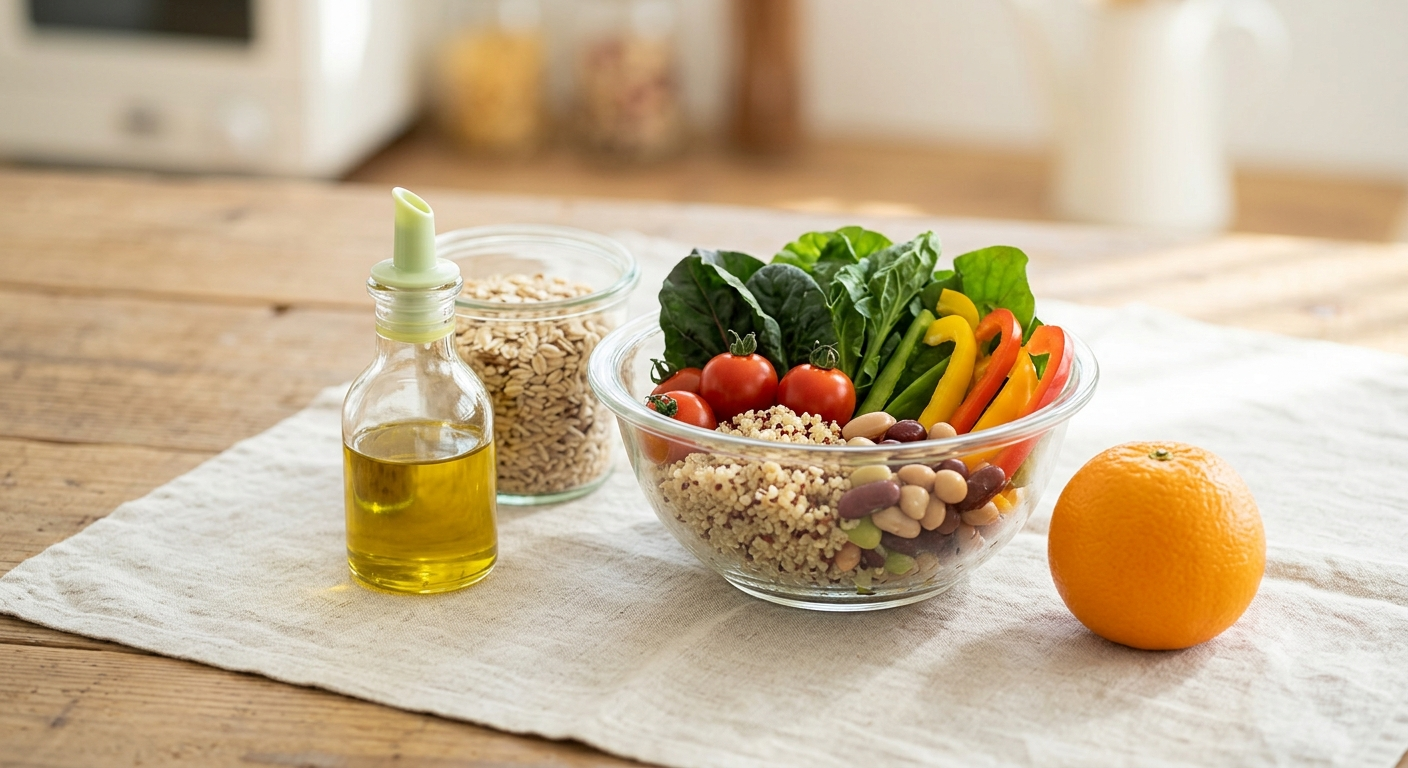
For instance, extra virgin olive oil serves as an exceptional choice for daily culinary preparation. It contains high amounts of monounsaturated fats and protective antioxidants. Likewise, avocado oil, canola oil, and sunflower oil provide healthy lipid profiles for warm cooking. As a result, switching your cooking fats prevents lipid oxidation inside your arteries.
Moreover, storing delicate oils away from heat and light preserves their vital nutrients. You should avoid heating oils past their smoke point during pan frying. Consequently, gentle cooking methods preserve the protective compound structures in liquid plant oils. Therefore, picking healthy fats represents one of the easiest heart healthy steps you can implement today.
5. Select Minimally Processed Foods for Better Health
Furthermore, ultra-processed foods dominate modern grocery store shelves. These packaged products often contain high amounts of hidden sodium, chemical preservatives, and artificial additives. Consequently, a diet rich in ultra-processed food correlates directly with elevated hypertension rates.
In contrast, choosing whole foods in their natural state provides pure nutrition without toxic chemical burdens. Fresh produce, raw nuts, and plain frozen vegetables retain their full vitamin potential. Therefore, reading ingredient labels carefully becomes a necessary habit for intelligent shoppers. If a product list contains unrecognized chemical compounds, you should leave it on the shelf.
Additionally, preparing meals at home gives you total control over every ingredient. You can season dishes with fresh herbs, garlic, and citrus juice instead of commercial spice blends laden with salt. As a result, your body receives optimal nutrition without excess chemical load. Ultimately, prioritizing real ingredients forms a vital pillar of cardiovascular longevity.
6. Minimize Added Sugars in Daily Meals
Similarly, excess added sugar presents a severe hidden threat to your blood vessels. Liquid sugars in sodas, sweetened teas, and fruit juices digest rapidly. Consequently, rapid sugar spikes trigger insulin surges that promote systemic internal inflammation.
Over time, constant high sugar intake increases liver fat production and raises triglyceride levels. In addition, elevated blood sugar damages delicate blood vessel linings throughout the body. Therefore, eliminating sugary drinks remains a fast method to lower cardiovascular risk factors. You can replace sugary beverages with sparkling water infused with fresh lemon or cucumber slices.
Moreover, check food labels for hidden sugar names like high-fructose corn syrup, cane juice, and dextrose. Condiments, salad dressings, and flavored yogurts frequently harbor large sugar quantities. Therefore, choosing unsweetened options protects your metabolic stability. In summary, reducing sweet additives preserves your arterial elasticity and maintains balanced energy throughout the day.
7. Reduce Salt and Sodium Consumption
Likewise, high sodium intake directly drives high blood pressure across all populations. Excessive salt causes your body to retain fluids, which increases circulating blood volume. As a result, your heart must pump harder to push blood through your circulatory network.
Fortunately, cutting back on salt produces swift improvements in blood pressure numbers. Most dietary sodium comes from processed restaurant foods rather than the home salt shaker. Therefore, cooking fresh meals automatically lowers your daily sodium footprint. You can enhance natural food flavors using lemon juice, vinegars, onion powder, and aromatic herbs.
Furthermore, your taste buds adapt quickly to lower sodium levels within a few short weeks. Soon, naturally prepared foods taste vibrant and delicious without heavy salt. Additionally, choosing low-sodium versions of canned beans and broths provides convenient healthy cooking foundations. Thus, managing salt intake protects your kidneys and lightens the burden on your heart muscles.
8. Limit Alcohol Intake for Vascular Safety
In addition, alcohol consumption impacts cardiovascular function far more than many people realize. While older studies suggested minor benefits from moderate drinking, updated research clarifies the risks. Specifically, regular alcohol consumption elevates blood pressure and contributes to irregular heart rhythms like atrial fibrillation.
Furthermore, alcoholic beverages supply empty calories that promote weight gain without supplying essential nutrients. Alcohol metabolism also interferes with healthy sleep patterns and elevates resting heart rates. Therefore, limiting or completely avoiding alcohol protects your central nervous system and vascular tone.
If you choose to drink, keep consumption strictly within low limits of one drink per day for women and two for men. However, abstaining completely yields the greatest benefits for your cardiovascular system. Consequently, swapping alcoholic drinks for herbal teas or infused mocktails supports your physical vitality. Ultimately, moderating alcohol intake strengthens your heart’s long-term operational efficiency.
9. Create Healthy Environments wherever You Eat
Finally, sustaining nutritional changes requires a supportive environment at home, work, and during travel. When healthy choices remain easily accessible, maintaining discipline becomes effortless. Therefore, keeping a bowl of fresh fruit on your kitchen counter encourages nutritious snacking.
Conversely, keeping unhealthy snacks out of your home prevents mindless indulgence during stressful moments. Furthermore, planning weekly meals in advance reduces reliance on fast-food drive-throughs during busy workdays. Pack nutritious lunches containing leafy greens, lean plant proteins, and whole grains for work.
In addition, share your health objectives with family members and coworkers. Having a supportive social circle creates accountability and makes cooking healthy meals enjoyable. Consequently, consistent daily routines turn short-term choices into lifelong healthy habits. By structuring your surroundings intentionally, you guarantee long-term cardiovascular health and lasting physical vitality.