A stroke rapidly alters daily routines, creating new physical and emotional hurdles for patients and families. Early action makes a significant difference during this critical period. Starting the stroke recovery process as soon as possible helps protect brain function and improves long-term outcomes. Medical experts emphasize that care should begin within 48 hours once a person becomes medically stable. However, healing does not end when hospital care finishes. Rehabilitation continues across months and years as survivors adapt to new habits. Therefore, understanding this path helps families build confidence while restoring everyday independence.
Initial Steps in the Early Stroke Recovery Process
Early interventions lay the foundation for long-term health improvements. When medical staff stabilize a survivor, therapy begins almost immediately.
- Early Physical Assessment: Medical teams test movement, speech, and basic reflexes to outline immediate care needs.
- Targeted Care Plans: Therapists design customized activities that target specific physical and cognitive strengths.
- Goal Setting: Patients set manageable daily targets to track steady progress over time.
Because every brain injury is unique, personalized therapy ensures safer progress. Furthermore, starting early helps reduce complications and supports natural brain healing.
Rebuilding Skills Through the Physical Stroke Recovery Process
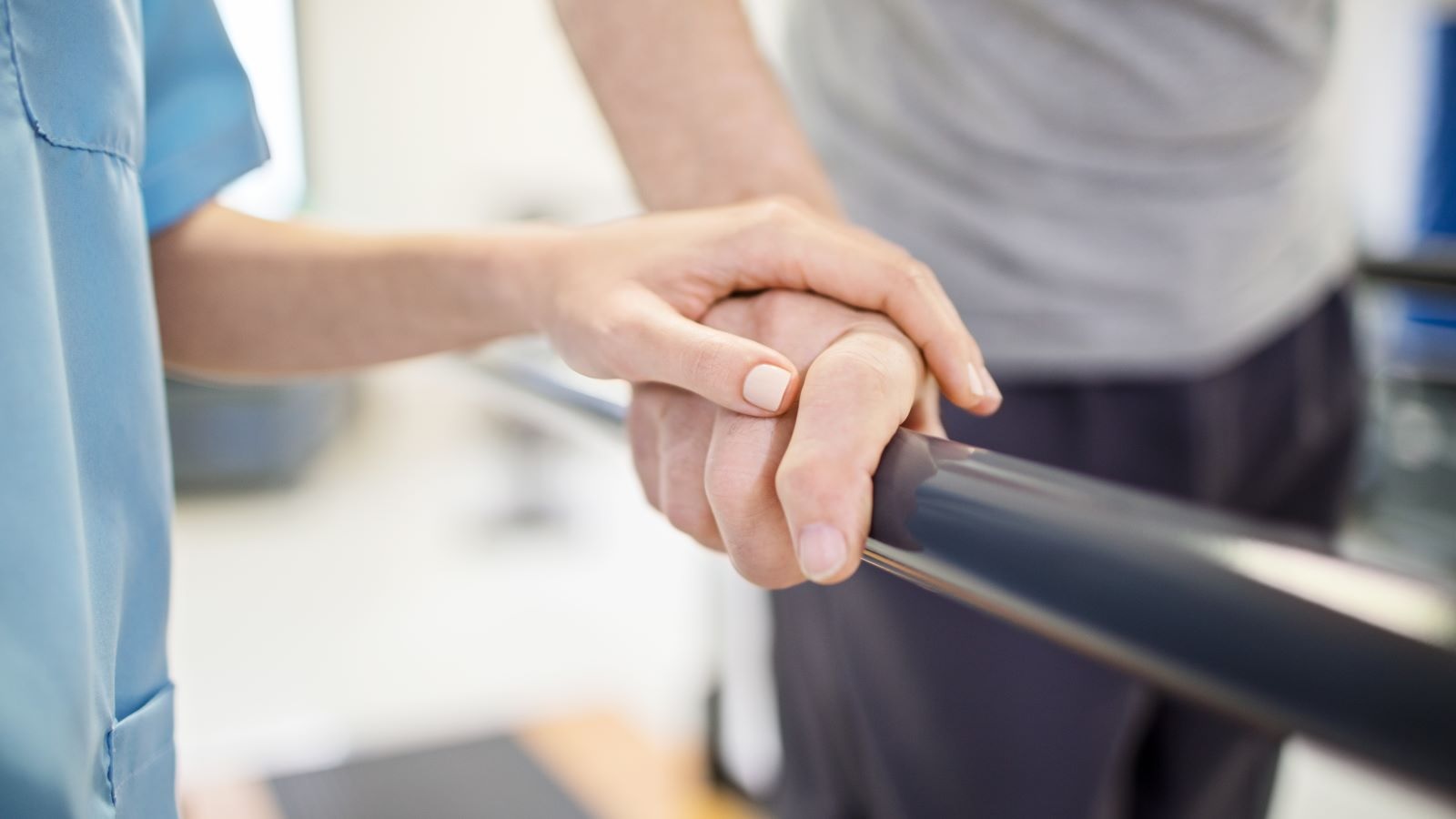
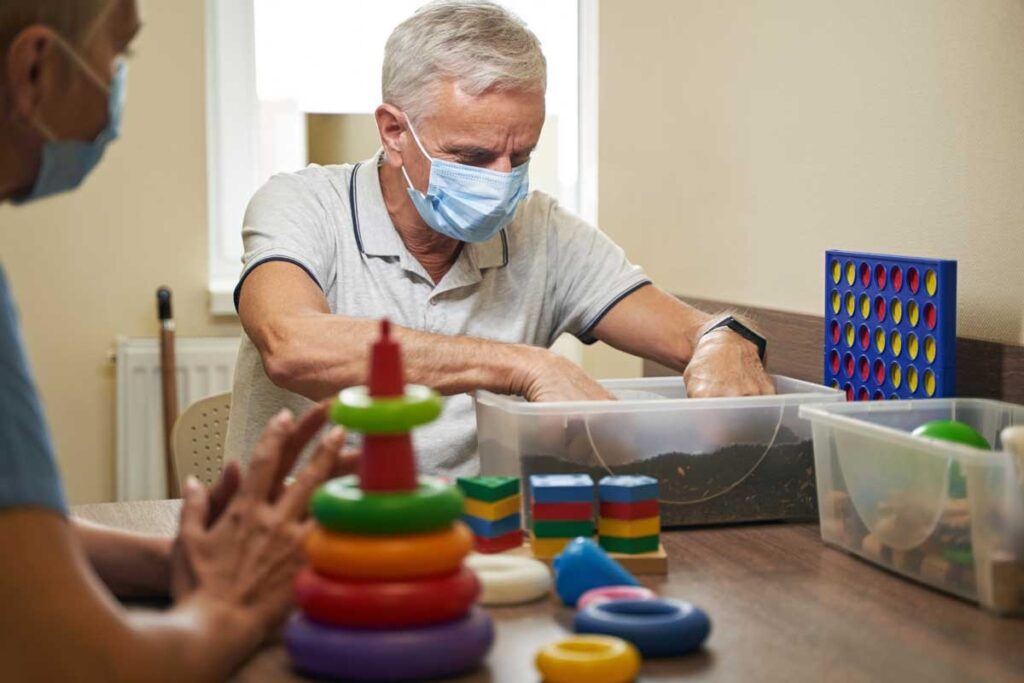
Relearning daily habits requires patience, practice, and structured guidance. The physical stroke recovery process focuses on regaining movement and strength for essential routines. Therapists work closely with survivors to practice walking, balancing, and grasping objects securely. Consequently, simple achievements like dressing independently or holding a utensil build vital confidence.
Additionally, speech therapy helps restore communication abilities when speech muscles or language centers suffer damage. As a result, tailored routines make daily living manageable while boosting personal motivation.
Addressing Mental Health in the Stroke Recovery Process
Physical symptoms are obvious, but emotional changes often remain hidden from view. Brain changes frequently cause mood shifts, anxiety, or deep sadness. Thus, managing emotional well-being forms a crucial part of the holistic stroke recovery process.
Post-stroke depression often shows up as persistent sadness, low energy, and loss of interest in daily life. In these cases, professional counseling paired with medical treatment provides vital relief. Another common issue is emotional lability, which causes sudden, uncontrollable laughing or crying episodes. Family education, patient reassurance, and structured rest help manage these sudden shifts effectively. Furthermore, constant worry about secondary events or lost independence creates ongoing anxiety. Joining support groups, practicing relaxation therapy, and maintaining steady daily routines help soothe these fears.
Consequently, addressing emotional health helps survivors maintain focus during physical rehabilitation sessions.
Adapting Relationships Within the Stroke Recovery Process
A stroke affects entire households, not just the individual patient. Family dynamics shift quickly as loved ones step into caregiving roles. Therefore, clear communication prevents misunderstandings and reduces emotional burnout for everyone involved. Caregivers often manage schedules, medications, and physical assistance throughout the home.
Moreover, accepting outside help allows families to balance personal responsibilities with caregiving duties. Support groups offer valuable advice and comfort when managing daily life transitions together.
Maintaining Long-Term Growth in the Stroke Recovery Process
Healing continues long after formal therapy programs conclude at medical centers. Consequently, continuing the stroke recovery process at home preserves motor gains and strengthens mental resilience. Re-engaging with meaningful hobbies like art, gardening, or social visits offers powerful motivation.
Furthermore, adjusting favorite activities ensures survivors remain active within their local communities. While life after a stroke feels different, setting realistic goals creates continuous personal growth and purpose.