
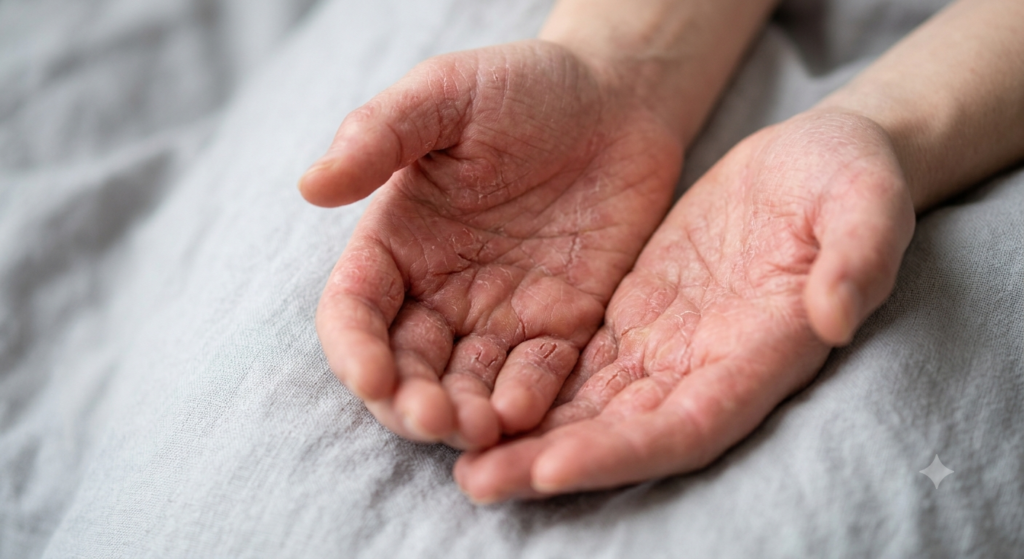
For many people, daily hand movements happen without much thought. However, people living with chronic hand eczema may experience pain during simple activities such as washing dishes, opening containers, writing, or shaking hands. The condition can cause itching, redness, swelling, cracking, blistering, and soreness. As a result, everyday contact can become uncomfortable and frustrating.
Understanding Chronic Hand Eczema
Chronic hand eczema is a persistent or recurring inflammatory skin condition that affects the hands and sometimes the wrists. Generally, doctors consider hand eczema chronic when symptoms continue for more than three months or return repeatedly. Moreover, symptoms can vary from mild dryness to painful cracks and inflamed skin. Unlike a short period of dry skin, chronic symptoms can interfere with normal routines. Consequently, people may change how they work, clean, cook, exercise, or interact with others. The condition can also affect confidence because the hands are highly visible.
Furthermore, hand eczema can have several triggers. Frequent handwashing, detergents, cleaning products, chemicals, allergens, wet work, and other irritants may worsen symptoms. Therefore, identifying personal triggers can be an important part of managing recurring irritation.
Chronic Hand Eczema Can Make Simple Tasks Difficult
Hands are involved in almost every part of daily life. Therefore, painful or swollen skin can create challenges that may seem small to other people but feel significant to someone experiencing a flare-up. For example, washing dishes may expose the skin to water and cleaning products. Similarly, opening a jar can stretch cracked skin and increase discomfort. Writing, typing, preparing food, or holding objects may also become harder when fingers feel swollen or painful.
In addition, some people may avoid activities that involve repeated hand contact. Research on the condition has linked hand eczema with difficulties in physical functioning, domestic activities, work, and social interaction. As a result, the condition can affect more than the skin itself. A person may need more breaks during work or may avoid certain household tasks. Over time, these changes can become frustrating and may reduce a person’s sense of independence.
Why Chronic Hand Eczema May Affect Emotional Well-Being
Physical discomfort is only one part of living with chronic hand eczema. Because symptoms can be visible, people may also become self-conscious about the appearance of their hands. For instance, redness, scaling, swelling, blisters, or cracks can attract unwanted attention. Consequently, some people may hide their hands, avoid handshakes, or feel uncomfortable meeting new people. Research has also reported emotional and social effects, including embarrassment, frustration, and withdrawal.
Moreover, persistent itching and pain can interfere with sleep. Poor sleep can then make normal routines feel more difficult. Therefore, managing the condition should involve attention to both physical symptoms and their effect on everyday well-being. A patient story published in 2026 described how recurring hand symptoms affected work, social contact, and ordinary activities. The experience also showed why persistent symptoms should not simply be dismissed as temporary irritation.
Common Symptoms to Watch
The symptoms of chronic hand eczema can differ from person to person. Nevertheless, several signs are common. Dryness and persistent itching often appear early. Over time, the skin may become red, irritated, swollen, or painful. Cracks and fissures can develop, particularly when the skin becomes very dry. Some people may also experience blisters, oozing, scaling, thickened skin, or bleeding during severe flare-ups.
Furthermore, symptoms may become worse after repeated exposure to an irritant. For example, cleaning products or frequent contact with water may aggravate already damaged skin. Consequently, keeping track of activities that precede flare-ups can help when discussing symptoms with a healthcare professional. Persistent symptoms deserve attention, especially when they interfere with sleep, work, household activities, or personal relationships.
Protecting Hands During Daily Activities
Managing chronic hand eczema often involves reducing exposure to known irritants while protecting the skin barrier. Gentle skin care can therefore become an important daily habit. People with sensitive hands may benefit from using mild, fragrance-free cleansing products and avoiding harsh chemicals when possible. After washing, gently drying the hands and applying an appropriate moisturizer can help reduce dryness. However, individual skin needs differ, so a healthcare professional can recommend suitable products and treatments.
Gloves may also help during certain household or work activities. Nevertheless, prolonged moisture or sweating inside gloves can sometimes aggravate hand problems. Therefore, glove use should be appropriate for the task and combined with sensible skin care. In addition, people who work with chemicals, water, detergents, or other irritants may need extra protection. Occupational exposure is an important consideration because some jobs place repeated stress on the skin.
When to Speak With a Dermatologist
Recurring symptoms should not always be treated as ordinary dry skin. Therefore, speaking with a dermatologist can help determine what is causing persistent hand irritation. A healthcare professional can assess the appearance, duration, and pattern of symptoms. Moreover, hand eczema can resemble other skin conditions, while different types of eczema may have different triggers. Proper evaluation can therefore help guide treatment.
Medical care becomes especially important when cracks are painful, symptoms keep returning, everyday tasks become difficult, or standard skin care does not provide enough relief. Treatment varies according to the severity and type of condition. Depending on the diagnosis, a healthcare professional may recommend topical medicines, protective measures, trigger avoidance, or other treatment options. Recent treatment developments also include newer topical therapies for adults with moderate to severe disease in some regions.
Living More Comfortably With Hand Eczema
Living with chronic hand eczema can require patience because symptoms may improve and then return. However, understanding personal triggers and maintaining consistent skin care can make daily management more structured. It can also help to communicate clearly with healthcare professionals. Keeping notes about flare-ups, products used, workplace exposures, and activities that worsen symptoms may provide useful information during appointments.
Furthermore, emotional support matters. Visible skin changes can affect confidence and social comfort. Talking with trusted people can make it easier to explain why certain activities or physical contact may be uncomfortable. Most importantly, persistent hand symptoms deserve attention. Painful hands should not simply be accepted as an unavoidable part of everyday life.
Taking Persistent Hand Symptoms Seriously
Chronic hand eczema can affect much more than the surface of the skin. It can influence household activities, work, sleep, social interactions, and confidence. Research and patient experiences show that the condition can create a significant physical and emotional burden.
Therefore, recognizing recurring symptoms early and discussing them with a qualified healthcare professional can be an important step. With appropriate evaluation, trigger awareness, skin protection, and a suitable treatment plan, people can work toward better control of their symptoms and greater comfort in everyday life. Persistent itching, cracking, swelling, pain, or repeated flare-ups should receive proper medical attention rather than being dismissed as simple dry skin.