Navigating a complex childhood health condition requires clear information and steady guidance for every family involved. Specialized high-risk neuroblastoma care focuses on treating aggressive nerve cell tumors while actively working to keep young patients in long-term remission. Because this specific form of pediatric cancer mostly affects infants and young children, pediatric oncology nurses play a crucial role in supporting parents through every stage of treatment. Fortunately, modern medical advances continue to create more effective management options, giving families new hope during challenging times.
Childhood Cancer Awareness Month highlights the ongoing fight against rare pediatric cancers across the nation. However, families facing a fresh diagnosis often feel overwhelmed by complex medical terminology and long treatment plans. Therefore, learning the fundamentals of tumor management helps parents partner effectively with their clinical teams. By focusing on structured clinical steps and ongoing recovery goals, families can better manage the emotional and physical demands of treatment.
The Foundation of High-Risk Neuroblastoma Care
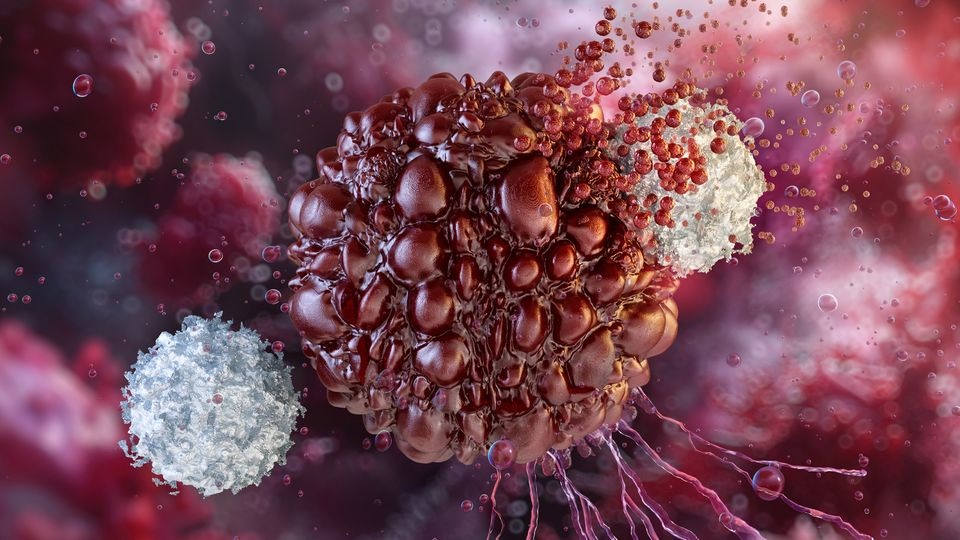
Understanding the unique traits of nervous system tumors helps explain why early medical intervention matters so much. Effective high-risk neuroblastoma care addresses tumors that grow from immature nerve cells located near the adrenal glands or spinal cord. Because these cancer cells grow rapidly, medical teams utilize intensive initial therapies to shrink tumors and eliminate circulating disease. Furthermore, dedicated nurses guide families through complex chemotherapy, surgery, and stem cell rescue procedures with immense compassion.
Initial treatment phases aim to achieve complete remission, which serves as a major milestone for young patients. In addition, clinical specialists monitor organ function and blood counts to ensure children remain resilient throughout therapy. Consequently, structured clinical protocols help stabilize patients so they can progress safely into subsequent care phases.
Why Relapse Prevention Matters in High-Risk Neuroblastoma Care
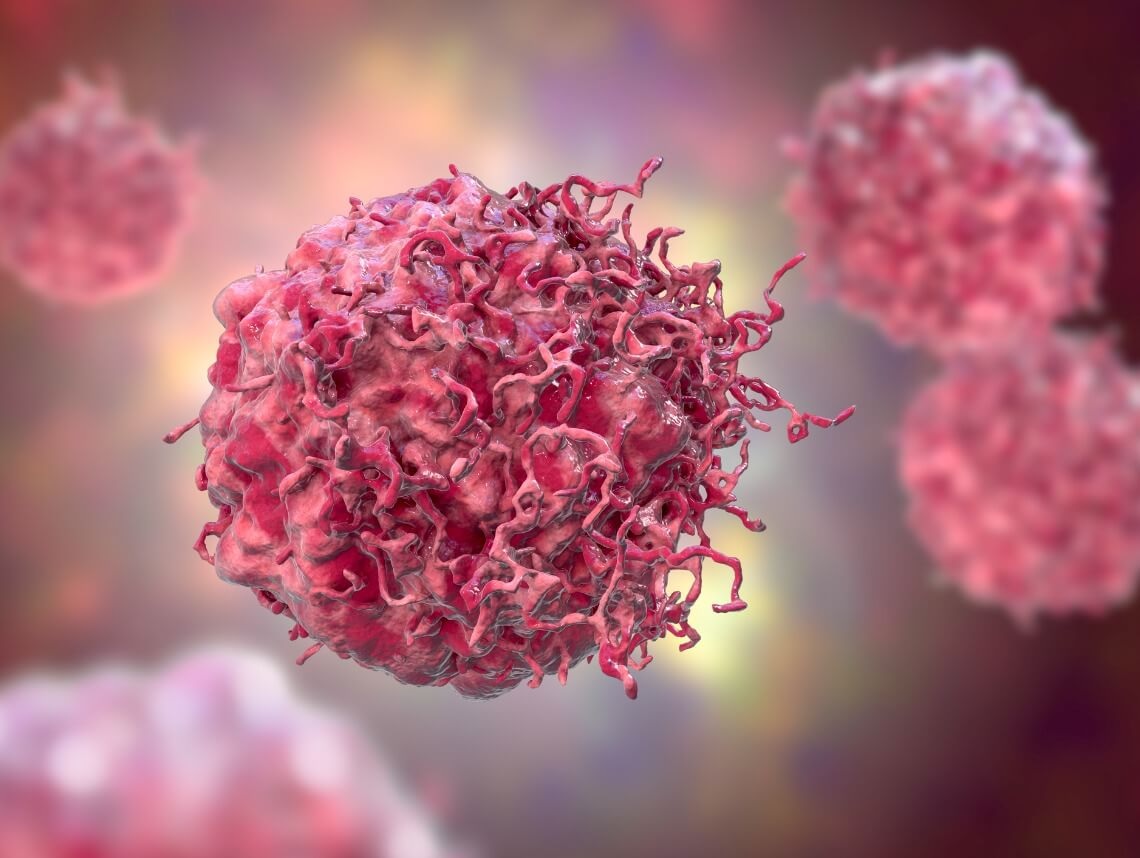
Even after aggressive treatments clear visible cancer cells, microscopic disease can sometimes remain hidden in the body. Therefore, high-risk neuroblastoma care relies heavily on extended monitoring to catch any signs of recurrence early. About one-third of young patients experience a relapse after completing initial therapy protocols, making post-remission vigilance essential. As a result, healthcare providers design specialized strategies specifically to keep cancer cells from returning.
Caregivers often feel anxious when main treatment protocols conclude, as hospital visits become less frequent. Consequently, maintaining regular follow-up appointments gives families reassurance while tracking healthy development. Moreover, clinical teams use routine imaging and lab work to verify that the patient remains healthy over extended periods.
The Crucial Role of Maintenance Therapy for Neuroblastoma
Sustaining remission requires proactive interventions that go beyond traditional initial tumor removal. Integrating maintenance therapy into comprehensive high-risk neuroblastoma care helps protect young patients during their vulnerable post-remission stages. These ongoing treatments train the body to target remaining rogue cells without subjecting the child to full-dose intensive chemotherapy. Thus, maintenance protocols bridge the critical gap between active treatment and long-term survivorship.
Nurses play a key role during maintenance stages by teaching parents how to handle mild side effects at home. Furthermore, clear communication between clinical staff and families prevents unnecessary hospital visits during home care phases. Therefore, well-managed maintenance care significantly enhances a child’s overall recovery environment.
Essential Support for Caregivers in Childhood Cancer
Navigating years of medical appointments, hospital stays, and emotional hardship creates immense stress for parents. Providing robust support to family members is an essential element of holistic high-risk neuroblastoma care. Because caregivers advocate endlessly for their children, medical teams prioritize caregiver wellness alongside patient treatment plans. So, connecting families with social workers and psychological support helps parents stay strong throughout the journey.
Advocacy groups and childhood cancer organizations offer valuable peer networks for parents facing similar health hurdles. In addition, these groups share practical resources regarding lodging, financial aid, and local community assistance. Consequently, parents never have to walk through complex pediatric cancer journeys alone.
Modern Advances and Nursing Insights
Medical researchers continually explore innovative treatments to boost survival rates and lower relapse risks for pediatric patients. Experienced pediatric oncology nurses highlight that personalized medicine and targeted therapies are revolutionizing high-risk neuroblastoma care. Because these modern approaches target specific genetic markers in cancer cells, treatments become increasingly precise over time. Thus, ongoing scientific research brings constant improvements to pediatric oncology protocols worldwide.
Childhood cancer journeys present immense challenges, but medical teams remain dedicated to helping every child thrive after treatment. Furthermore, improved survivorship programs help young patients transition smoothly back into school and normal childhood activities. As research progresses, clinical teams look forward to delivering even safer and more effective care solutions.
Essential Guidelines for Managing Pediatric Health Journeys
To ensure your family stays organized and supported during childhood cancer treatment, follow these practical steps:
- Partner closely with your pediatric oncology team to understand every phase of your child’s treatment plan.
- Learn about post-remission maintenance therapy options to help lower the risk of disease recurrence.
- Utilize local advocacy organizations and clinical support groups to maintain your own mental and physical well-being.
Ultimately, managing pediatric cancer requires a well-orchestrated effort among medical experts, supportive nursing staff, and compassionate family caregivers. When families stay informed about every stage of treatment—from initial tumor reduction through long-term remission monitoring—they feel far more empowered throughout the treatment process. Moving forward with reliable medical guidance, access to emerging maintenance therapies, and dedicated community support ensures that young patients receive the best possible foundation for a healthy future.