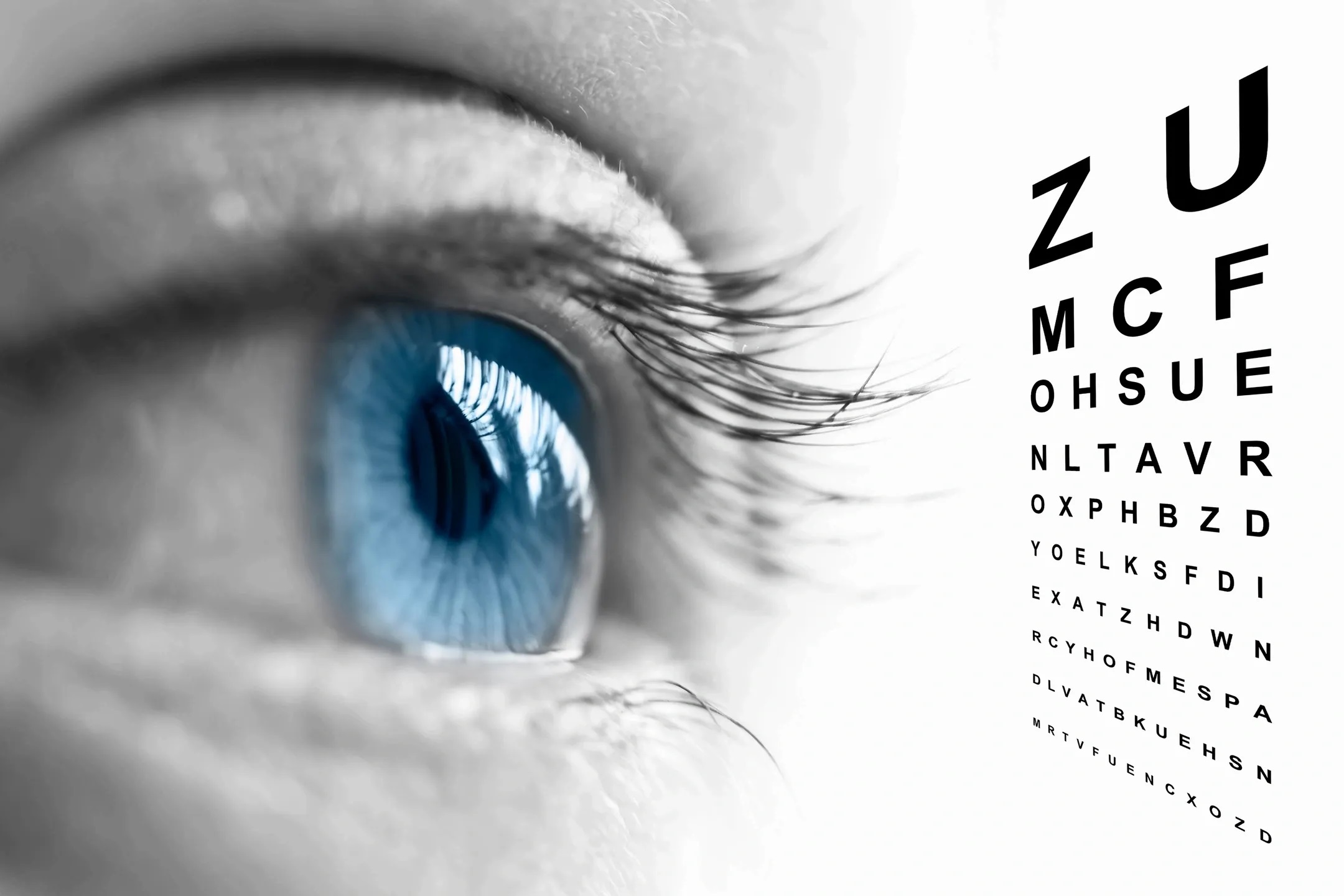
Experiencing vision changes can feel daunting, yet recognizing these shifts early ensures better management and long-term ocular health. Most individuals notice subtle differences in their sight over time, ranging from blurriness while reading to difficulty driving at night. Therefore, understanding how to respond appropriately allows you to maintain your quality of life and independence. Many people overlook early warning signs, assuming they represent normal aging processes. However, professional evaluation remains critical for identifying underlying conditions before they progress.
Schedule a Comprehensive Eye Examination Immediately
Scheduling a comprehensive eye examination serves as the most important step when vision changes occur. Optometrists and ophthalmologists utilize advanced diagnostic tools to pinpoint exact structural issues within the eye. Furthermore, routine checkups detect silent conditions such as glaucoma or macular degeneration before permanent damage happens. Qualified specialists will measure your visual acuity and check intraocular pressure thoroughly. Consequently, obtaining an accurate diagnosis empowers you to explore effective corrective treatments or medical interventions tailored to your specific needs.

Adapt Your Living Environment for Enhanced Safety
Adapting your living environment creates a safer space while your eyes undergo adjustments. Poor lighting frequently exacerbates visual impairments, making everyday tasks significantly harder to accomplish safely. Therefore, installing brighter LED bulbs in hallways, staircases, and workspaces improves visibility instantly. Moreover, reducing clutter on floors prevents accidental trips and falls associated with reduced peripheral awareness. Simple modifications like placing contrasting colored tape on step edges also provide substantial safety benefits during daily routines.
Embrace Assistive Technology and Optical Aids
Embracing assistive technology transforms how individuals interact with the digital world and printed materials. Modern smartphones and computers offer built-in accessibility features such as screen magnification, voice narration, and adjustable font sizes. Additionally, traditional optical aids like handheld magnifiers, specialized reading glasses, and electronic readers reduce eye strain significantly. Consequently, utilizing these innovative tools allows you to continue enjoying reading, hobbies, and professional tasks without unnecessary frustration.
Prioritize Nutritional Support and Lifestyle Habits
Prioritizing proper nutrition and healthy lifestyle habits supports overall ocular function as you age. Consuming antioxidant-rich foods, including leafy greens, carrots, and omega-3 fatty acids, protects delicate retinal cells from oxidative stress. Furthermore, staying adequately hydrated and avoiding cigarette smoke significantly reduces the risk of developing degenerative eye disorders. Regular cardiovascular exercise also promotes healthy blood circulation throughout the optic nerve and retinal tissues. Thus, maintaining these positive wellness habits creates a solid foundation for preserving your remaining sight.
Seek Emotional Support and Counseling Services
Seeking emotional support helps individuals process the psychological impact of experiencing vision changes. Adjusting to a new visual reality often brings feelings of frustration, anxiety, or isolation. Therefore, joining support groups connects you with others facing similar challenges and sharing practical coping mechanisms. Professional counselors also provide valuable guidance for managing stress and maintaining mental well-being during periods of transition. Ultimately, addressing emotional health ensures a balanced, resilient approach to embracing future possibilities.