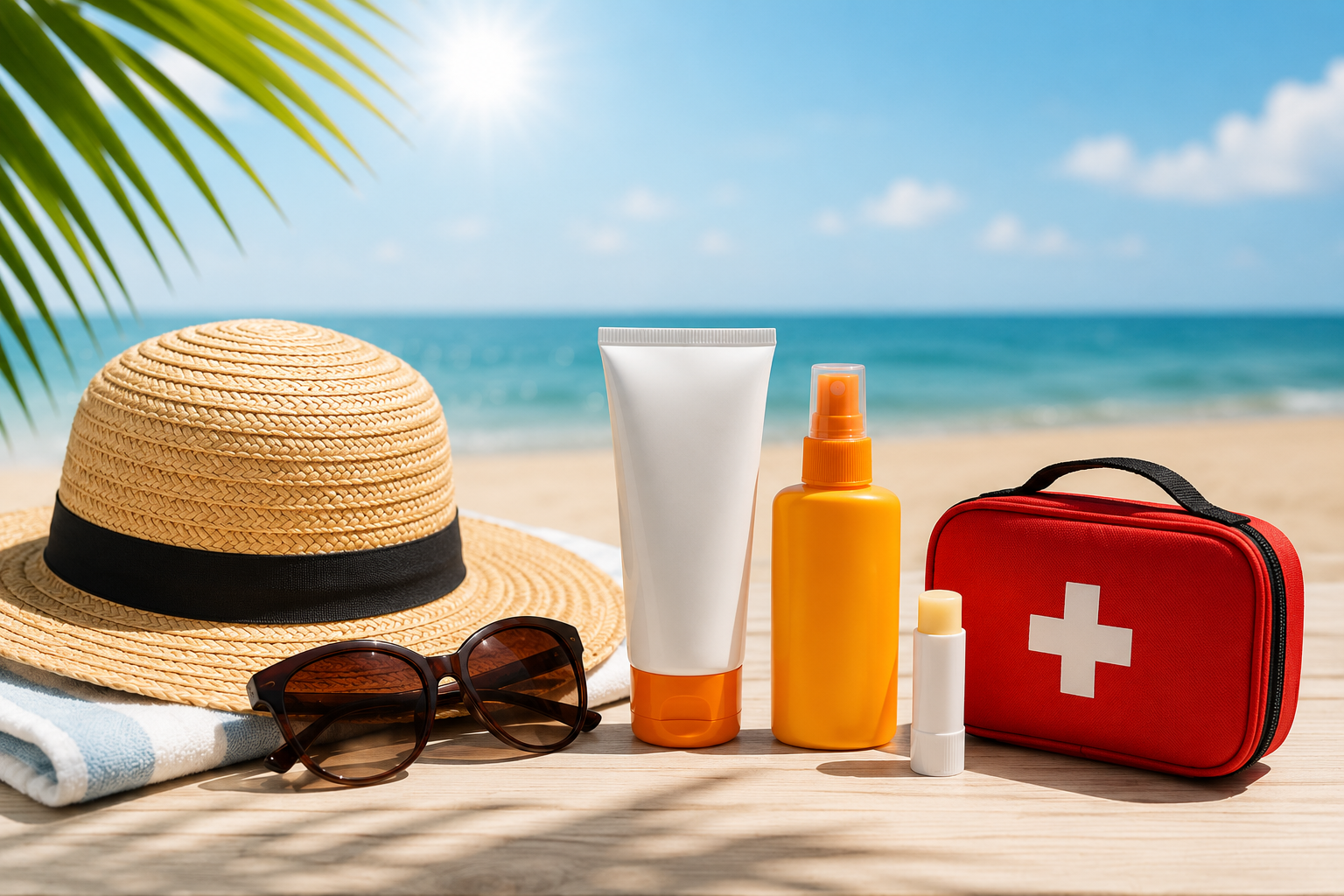
Warm weather brings more opportunities to enjoy outdoor activities, family vacations, and time in the sunshine. However, rising temperatures also increase the risk of sunburn, dehydration, insect bites, and other seasonal skin concerns. Therefore, following a proper summer skin care routine helps protect your skin while keeping it healthy throughout the season.
Moreover, summer conditions expose the skin to intense sunlight, humidity, sweat, and environmental allergens. Consequently, people of all ages should take preventive measures before spending extended time outdoors. Fortunately, a few simple habits can reduce common skin problems and help prevent more serious complications.
Healthy skin begins with preparation. By combining daily sun protection, proper hydration, gentle skincare, and basic first aid knowledge, you can enjoy everything summer offers while protecting your skin.
Why Summer Skin Care Matters During Hot Weather
Maintaining effective summer skin care is important because heat and ultraviolet (UV) rays place additional stress on the skin. Although sunshine provides vitamin D, excessive UV exposure may damage skin cells and increase the risk of premature aging.
Additionally, hot temperatures often lead to increased sweating. Sweat itself is natural, but when combined with bacteria and clogged pores, it may contribute to acne breakouts, irritation, and heat rash.
Humidity also affects skin differently depending on skin type. Some people experience excess oil production, while others notice dehydration caused by sun exposure and frequent swimming. Furthermore, outdoor activities increase exposure to insects, plants, and minor injuries. Therefore, protecting the skin requires more than sunscreen alone.
Build a Daily Summer Skin Care Routine
Creating a simple summer skin care routine helps maintain healthy skin every day. Consistency matters more than using complicated products. Start by cleansing your face with a gentle cleanser to remove sweat, sunscreen, dirt, and excess oil. Avoid harsh cleansers because they may strip away natural moisture.
Next, apply a lightweight moisturizer suitable for your skin type. Even oily skin benefits from hydration because dehydrated skin may actually produce more oil. Sunscreen should become the most important step in every morning routine. Apply a broad-spectrum sunscreen with SPF 30 or higher before going outdoors. Additionally, reapply every two hours or after swimming and excessive sweating.
Finally, remove sunscreen completely before bedtime. Clean skin allows natural overnight repair while reducing clogged pores.
Sun Protection Is the Heart of Summer Skin Care
Proper sun protection remains the foundation of summer skin care because UV rays affect the skin even on cloudy days. Direct sunlight between late morning and mid-afternoon often produces the strongest UV exposure. Therefore, limiting outdoor activities during peak hours may reduce sun damage.
Protective clothing also provides valuable defense. Wide-brimmed hats, sunglasses with UV protection, and lightweight long-sleeved clothing help shield exposed skin. Shade offers additional protection whenever possible. Sitting beneath umbrellas, trees, or covered areas reduces direct sun exposure during outdoor events.
Children deserve special attention because their skin is especially sensitive to UV rays. Consequently, parents should apply sunscreen carefully and encourage protective clothing whenever children spend time outdoors.
Summer Skin Care for Heat Rash and Sweat
Heat rash becomes common during hot and humid weather. Therefore, good summer skin care includes preventing excessive sweating whenever possible. Heat rash develops when sweat becomes trapped beneath the skin. Small red bumps may appear on the neck, chest, back, or areas where clothing causes friction.
Wearing loose, breathable fabrics allows air circulation while reducing trapped moisture. Cotton clothing often provides greater comfort during hot weather. Staying in cool environments whenever possible also helps reduce excessive sweating. Additionally, taking cool showers after outdoor activities removes sweat while refreshing the skin.
Avoid applying heavy creams to heat rash unless recommended by a healthcare professional because thick products may worsen blocked pores.
Treating Minor Summer Skin Problems
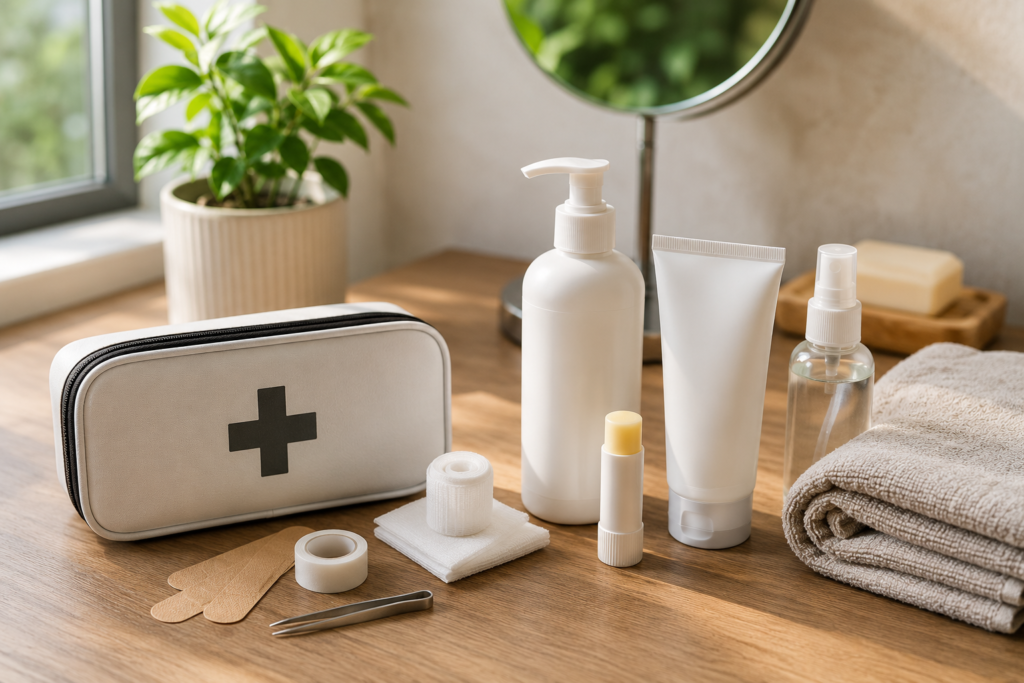
Minor skin injuries frequently occur during outdoor recreation. Therefore, every household benefits from basic first aid supplies throughout the summer. Small cuts and scrapes should be cleaned gently with clean water before covering them with appropriate dressings. Keeping wounds clean helps reduce infection risk.
Insect bites may cause itching, redness, or mild swelling. Applying cool compresses often provides temporary relief while avoiding scratching helps protect the skin. Minor sunburn also requires prompt attention. Cool showers, gentle moisturizers, and adequate hydration support skin recovery after excessive sun exposure.
However, severe burns, blistering, widespread rashes, allergic reactions, or signs of infection require professional medical evaluation.
Hydration Supports Summer Skin Care
Drinking enough water plays an important role in summer skin care because healthy skin depends on proper hydration. Hot weather increases fluid loss through sweating. Consequently, dehydration may leave skin feeling dry, tight, or less elastic.
Eating water-rich fruits and vegetables also contributes to hydration. Watermelon, cucumbers, oranges, strawberries, and leafy greens provide both fluids and important nutrients. Limiting excessive sugary beverages or alcohol may also support better hydration during hot weather. Moisturizing after bathing further helps retain water within the skin while supporting the skin’s protective barrier.
Summer Skin Care for Outdoor Activities
Outdoor sports, gardening, hiking, swimming, and family gatherings all expose the skin to different environmental conditions. Therefore, planning ahead improves summer skin care during recreational activities. Swimming pools contain chlorine, while natural bodies of water may expose skin to different bacteria or irritants. Showering after swimming helps remove chlorine, salt, and other residues.
Gardeners should wear gloves and protective clothing when handling plants to reduce irritation from certain leaves or insects. Athletes should clean sweaty clothing promptly after exercise because prolonged moisture may contribute to skin irritation or fungal infections.
Additionally, carrying sunscreen, lip balm with SPF, water, and a small first aid kit makes outdoor adventures safer and more comfortable.
Common Summer Skin Care Mistakes to Avoid
Many people unintentionally increase their risk of skin problems during warm weather. Therefore, avoiding common mistakes improves summer skin care throughout the season. One frequent mistake is applying sunscreen only once each day. Sunscreen gradually loses effectiveness, especially after swimming or sweating. Regular reapplication remains essential.
Skipping moisturizer is another misconception. Although summer weather feels humid, the skin still requires hydration. Ignoring cloudy weather also creates unnecessary risk. UV rays penetrate clouds, so sunscreen remains important even when sunshine appears limited.
Using expired sunscreen may also reduce protection. Checking expiration dates before summer begins helps ensure maximum effectiveness. Finally, delaying treatment for serious sunburn or infected skin injuries may lead to additional complications.
Healthy Habits Beyond Summer Skin Care
Overall wellness directly influences skin health. Therefore, healthy daily habits complement every summer skin care routine. Balanced nutrition supplies antioxidants, vitamins, and healthy fats that support natural skin repair. Fresh fruits, vegetables, lean proteins, and whole grains contribute to healthier skin.
Adequate sleep also allows skin cells to recover from daily environmental stress. Managing stress benefits both emotional health and skin appearance because chronic stress may contribute to inflammatory skin conditions. Regular health checkups also provide opportunities to discuss changing moles, persistent rashes, or other unusual skin concerns with healthcare professionals.
Protect Your Skin and Enjoy a Healthier Summer
Summer offers countless opportunities to enjoy outdoor activities, vacations, and time with family. However, protecting your skin should remain a daily priority. Following a consistent summer skin care routine helps reduce the risk of sunburn, heat rash, dehydration, insect bites, and other common seasonal skin concerns.
By using sunscreen daily, staying hydrated, wearing protective clothing, practicing proper first aid, and maintaining healthy skincare habits, you can keep your skin healthier throughout the warmer months. Moreover, early prevention often proves much easier than treating skin damage later. With thoughtful preparation and consistent care, your skin can remain healthy, comfortable, and protected while you make the most of every sunny day.