Preparing for a new academic year involves more than just buying notebooks, backpacks, and pencils. Children need a strong, healthy foundation so they can thrive in their classrooms and enjoy their daily activities. Because of this need, the American Medical Association has shared crucial advice to help families stay safe. Implementing smart back-to-school health habits today ensures your kids arrive at school ready to learn, grow, and succeed.
1. Pack Nutritious Foods for Lasting Energy
Fueling Growth with Better Food Choices
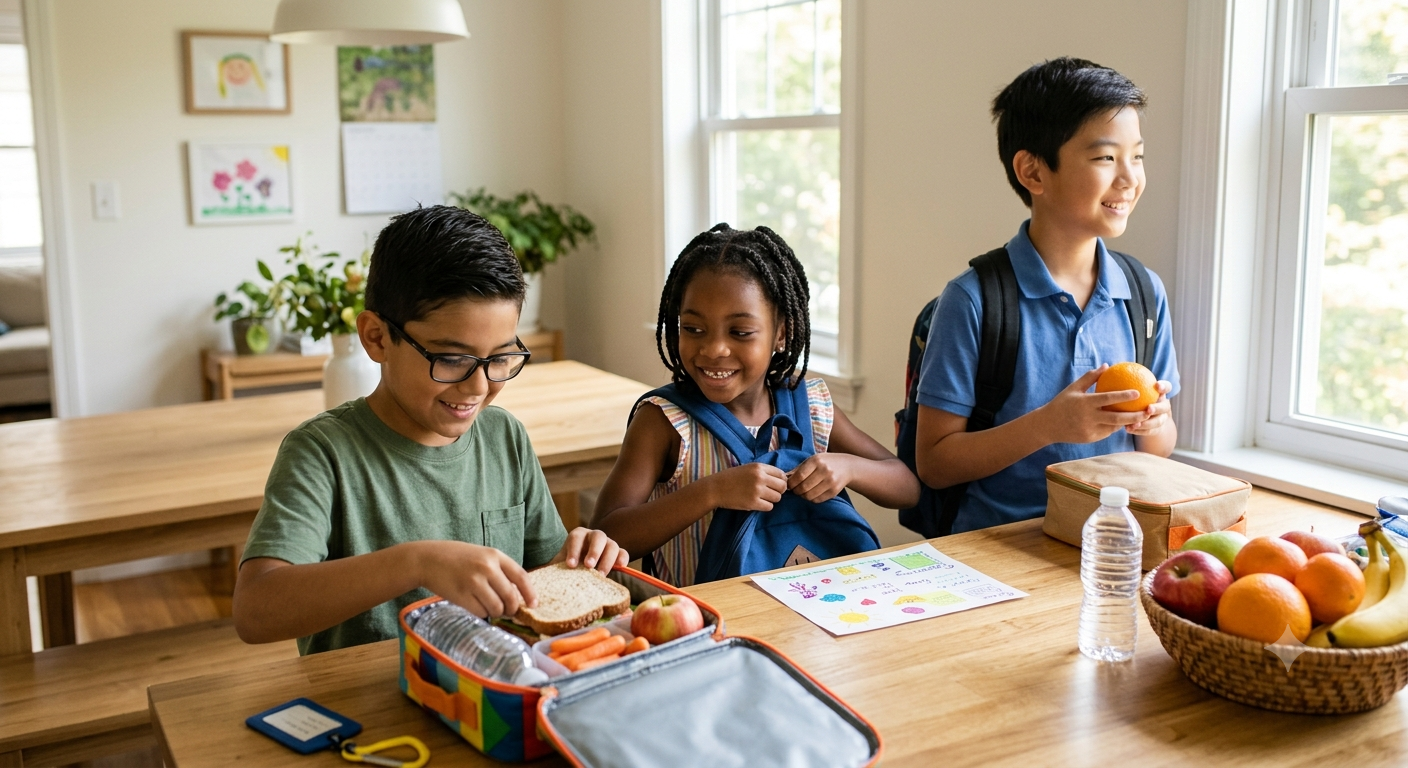
A healthy body requires premium fuel, so parents must focus on what goes into the daily lunchbox. Daily meals impact how well students pay attention during tough afternoon lessons. Therefore, you should pack a wide variety of whole grains, fruits, vegetables, and lean proteins.
Avoiding the Pitfalls of Processed Items
Many pre-packaged snacks contain hidden ingredients that cause sudden energy crashes. For this reason, you should minimize sugar-sweetened beverages like sodas or heavy juices. Instead, select water or milk to keep your child hydrated. Reading food labels carefully will help you choose items lower in sodium, saturated fats, and added sugars.
2. Prioritize a Consistent Sleep Routine for Kids
Setting Stable Schedules Boosts Mental Focus
Rest is absolutely essential for physical growth and mental clarity, yet school stress often disrupts bedtime. Consequently, establishing a strict back-to-school health sleep schedule helps keep the entire household on track. Children need different amounts of rest depending on their current age group. Specifically, teenagers require eight to ten hours of sleep each night, while younger kids aged six to twelve need nine to twelve hours.
Removing Screens from Bedrooms Enhances Rest
Electronic devices emit blue light that tricks the brain into staying awake. As a result, you should keep cell phones and tablets completely out of the bedroom. If your child struggles with chronic sleep problems, you must consult their pediatrician. A doctor can check for deeper sleep disorders and suggest appropriate remedies.
3. Stay Up to Date on Your Child’s MMR Vaccination
Protecting Your Family Against Contagious Viruses
Medical records show that the United States is experiencing its highest number of measles cases in three decades. This airborne virus spreads with incredible speed, often before anyone shows visible symptoms. Measles causes severe complications like brain swelling, blindness, or even death, particularly in young toddlers. Fortunately, ensuring your child receives the recommended doses offers excellent defense against these outcomes.
Preventing Classroom Absences and Work Disruptions
Choosing to immunize your children keeps them safe while protecting vulnerable classmates. Furthermore, maintaining a proper vaccine schedule prevents students from missing valuable class time. Parents also avoid missing work to care for a sick child at home. You should check with your family physician to verify your child’s immunization status before school opens.
4. Set Sensible Screen Time Limits
Understanding the Impact of Excessive Device Use
Children currently spend more hours on digital devices than any previous generation. Too much screen time often triggers negative emotional shifts and increases feelings of deep isolation. Therefore, the start of a new school term represents a perfect opportunity to establish healthier habits. You can replace digital media with physical sports, after-school clubs, reading, and quality family moments.
Creating Tech-Free Zones in the House
Setting firm boundaries around electronics teaches children to value real-world connections. For example, you can implement a strict rule against devices during breakfast and dinner. Keeping smartphones out of the bedroom also prevents late-night browsing. These simple adjustments noticeably improve your family’s overall mental wellbeing.
5. Protect Their Smile with Good Dental Habits
Establishing Daily Routines for Oral Health
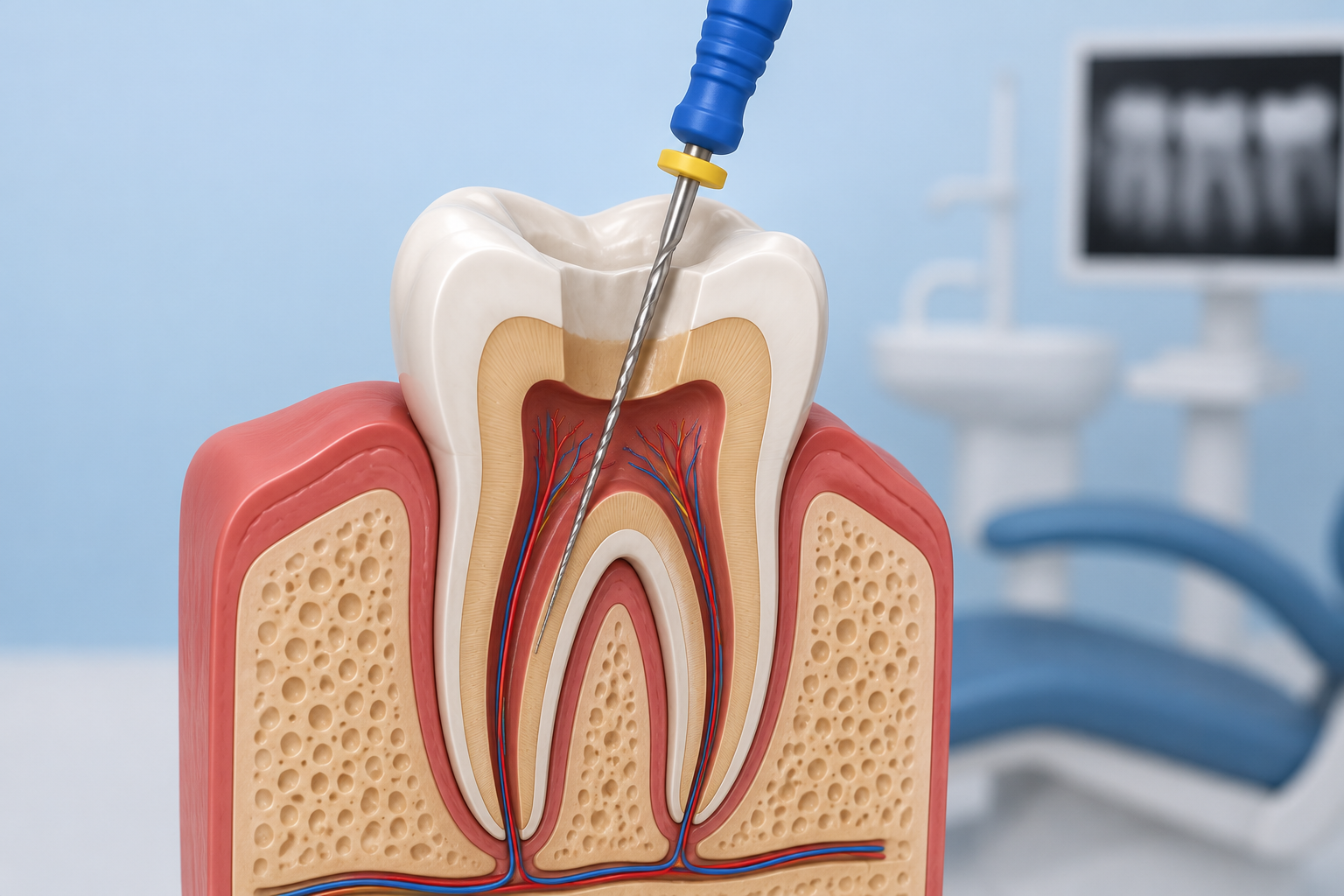
A bright smile boosts a child’s confidence, so oral hygiene should remain a top priority. Parents must teach kids to brush twice a day and floss regularly. Additionally, scheduling routine dental checkups twice a year catches small cavities before they turn into painful problems.
Preventing Long-Term Health Issues Early
Poor dental cleanliness actually correlates with serious medical conditions later in adult life. Thus, teaching good habits during childhood prevents future systemic wellness complications. You should purchase new toothbrushes alongside other standard school supplies to start the semester fresh.
6. Prevent the Spread of Norovirus in Schools
Recognizing the Risks of Gastrointestinal Germs
Norovirus represents a highly contagious germ that causes intense vomiting and diarrhea. It serves as a primary cause of foodborne illness and spreads quickly through crowded hallways. However, families can easily lower the risk of infection by taking proactive measures. When you purchase standard school items, you should also stock up on effective disinfecting cleaners.
Mastering Proper Handwashing Techniques
Regularly cleaning frequently touched surfaces at home helps eliminate lingering pathogens. Moreover, parents should model thorough handwashing with soap and warm water for at least twenty seconds. If your child does happen to catch a stomach bug, please keep them home. Students must stay away from class for at least forty hours after their symptoms completely stop.
Simple Steps for a Vibrant Academic Year
Every parent wants their child to have an amazing experience in the classroom. By focusing on back-to-school health, you provide the tools your children need to excel. Small changes in nutrition, sleep, and hygiene yield massive benefits over the upcoming months. Start practicing these doctor-approved strategies today to ensure a safe, active, and joyful year for your student.