
When a child needs surgery, parents often have many questions. They may worry about pain, anesthesia, recovery, and possible complications. Understanding Pediatric Surgery and Anesthesia can make the process easier to manage. It also helps parents know what information to share with the medical team and how to prepare their child. Modern anesthesia is designed to keep children comfortable while medical professionals closely monitor them throughout the procedure.
Every child is different. Age, weight, medical history, the type of surgery, and current health can all affect the care plan. Therefore, parents should follow the instructions provided by their child’s surgeon and anesthesia team. The goal is not only to complete the procedure but also to provide safe and appropriate care before, during, and after surgery.
Pediatric Surgery and Anesthesia: Preparing Before Surgery
Preparation starts well before the child enters the operating room. First, parents should understand why the surgery is needed and what the procedure involves. The surgeon can explain the expected benefits, possible risks, recovery time, and any special instructions. Next, the anesthesia team will review the child’s health history. This discussion is important because even a small detail may affect the anesthesia plan. Parents should mention previous surgeries, earlier anesthesia experiences, allergies, medical conditions, current medicines, and any known family history of anesthesia problems.
Recent illness also matters. Parents should tell the medical team about a recent cold, cough, fever, flu, COVID-19 infection, congestion, wheezing, or other breathing problems. Respiratory illnesses can affect the airways and may change the timing or plan for an elective procedure. In addition, parents should mention loose teeth, asthma, allergies, and other conditions that may affect care. The anesthesia professional may examine the child’s airway, listen to the heart and lungs, and review vital health information before surgery. Most importantly, parents should ask questions. There is no need to understand every medical term before the procedure. The care team can explain the process in simple language.
Follow Fasting Instructions Carefully
One of the most important preparation steps involves eating and drinking. Children usually need to stop eating and drinking for a specific period before anesthesia. These rules help reduce the risk of stomach contents entering the lungs during anesthesia. However, fasting instructions can differ according to age, procedure, health condition, and medical facility. Therefore, parents should never rely on general rules alone. They should follow the exact instructions given by the child’s medical team.
Parents should also ask which medicines their child should take on the morning of surgery. Some medicines may be continued with a small amount of water, while others may need to be stopped temporarily. Herbal products and supplements should also be reported because they can affect medical care.
Understanding the Role of the Anesthesia Team
The anesthesia team has an important role throughout the procedure. A pediatric anesthesiologist is specially trained to provide anesthesia care for infants and children. This training helps the professional consider the differences between children and adults when planning anesthesia. Depending on the facility, anesthesia may also be provided by another qualified anesthesia professional. The exact team structure can vary. However, the central goal remains the same: keep the child safe, comfortable, and appropriately monitored.
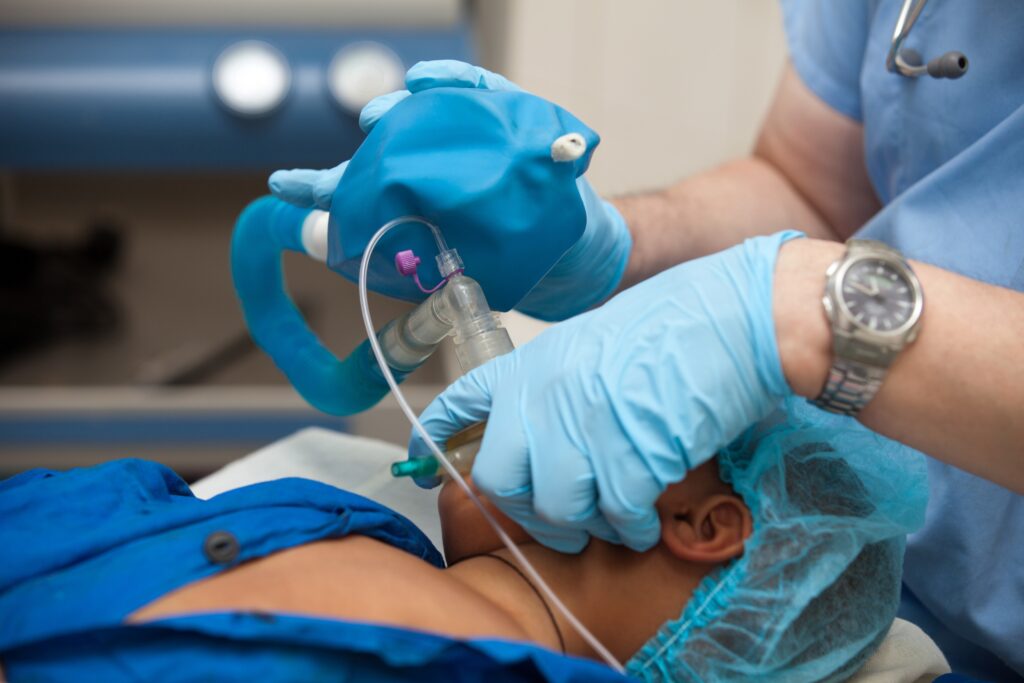
Before surgery begins, the anesthesia professional reviews the child’s health information and discusses the planned approach. They may explain how anesthesia will start, how breathing will be supported, and how pain will be managed. Children may receive anesthesia through a breathing mask, an IV, or another method based on their age and medical needs. The best approach depends on the individual situation.
Parents can also help reduce anxiety. A favorite toy, blanket, or comfort item may help a child feel more secure. Parents should use simple and honest language that matches the child’s age. For example, explaining that the medical team will help the child sleep comfortably can be easier to understand than using complex medical terms.
Pediatric Surgery and Anesthesia: What Happens During the Procedure
Once the procedure begins, the anesthesia professional stays focused on the child’s condition. Continuous monitoring allows the team to watch important signs such as breathing, heart rate, blood pressure, oxygen levels, and temperature. The anesthesia plan may involve several medicines. Some medicines help the child remain asleep, while others help control pain or nausea. The exact medicines and doses depend on the child’s size, health, procedure, and response.
Children require careful attention because their bodies are different from adults. Equipment must fit properly, and medication doses must be calculated carefully. The anesthesia team also watches for changes and can adjust the plan when needed. An IV may be placed before the child falls asleep or afterward. It can provide fluids, medicines, antibiotics, or other treatments. In some procedures, the anesthesia team may use a breathing tube or another airway device to support breathing.
Parents generally wait in a designated area while the procedure takes place. Some facilities may allow a parent to be present during the beginning of anesthesia. However, this depends on the hospital, procedure, and child’s condition. Although waiting can feel stressful, parents should remember that the medical team is continuously focused on the child’s safety.
Helping Your Child Manage Fear
Surgery can be frightening for children. Therefore, emotional preparation is also important. Parents can talk about the hospital visit before the procedure. The timing should depend on the child’s age and understanding. Young children may need a shorter explanation, while older children may want more details. Parents should avoid making unrealistic promises. Instead, they can explain that doctors and nurses will be there to help. They can also allow the child to ask questions.
A calm parent can provide valuable emotional support. Children often notice changes in a parent’s voice and behavior. Therefore, speaking calmly and confidently can help create a more reassuring environment. Hospitals may also have child life specialists. These professionals can use play, conversation, distraction, and age-appropriate explanations to help children understand what is happening.
Pediatric Surgery and Anesthesia: Understanding Recovery
After surgery, the anesthesia team begins the process of waking the child. The child is then taken to a recovery area where medical professionals continue close monitoring. Children wake at different rates. Some become alert quickly. Others may remain sleepy for longer. A child may also appear confused, restless, emotional, or tearful immediately after anesthesia. These reactions can be temporary as the medicines wear off.
Pain management is another important part of recovery. The medical team may use different medicines or techniques based on the procedure and the child’s needs. Nausea can also occur after anesthesia, so the team watches for symptoms and can provide treatment when appropriate. Parents may feel concerned when their child seems unusually sleepy or upset. However, the recovery team knows what changes to expect and will monitor the child carefully.
The length of recovery depends on the type of procedure, anesthesia, medical history, and overall condition. Some children can go home after a short observation period. Others may need to remain in the hospital for additional monitoring.
Pediatric Surgery and Anesthesia: Going Home Safely
Going home is an important stage of recovery. Before discharge, the healthcare team checks whether the child has reached the appropriate recovery criteria. Children who undergo major surgery or have complex medical conditions may need a longer hospital stay. Parents should listen carefully to the discharge instructions. These may include information about medicines, food and drinks, activity, wound care, sleep, and follow-up appointments.
Medication should be given exactly as instructed. Parents should also know which symptoms require a call to the medical team. The healthcare provider should explain what is normal during recovery and which changes need attention. A quiet environment can help the child rest. Depending on the surgery, the child may need to avoid certain activities for a period of time. Parents should follow the surgeon’s instructions rather than relying on general advice.
Recovery can also affect a child’s mood. Some children may be tired, irritable, or less active for a short time. Patience and reassurance can make this period easier.
Questions Parents Can Ask Before Surgery
Parents often feel more prepared when they have clear answers. Useful questions can include:
- Why does my child need this procedure?
- What type of anesthesia will be used?
- Who will provide the anesthesia?
- What should my child eat or drink before surgery?
- Which medicines should my child take or avoid?
- What should I do if my child becomes sick before surgery?
- How will my child’s breathing and vital signs be monitored?
- How will pain and nausea be managed?
- When can I see my child after surgery?
- What should I expect during recovery?
- When can my child return to normal activities?
- Who should I contact if I have concerns after going home?
These questions can help parents understand the care plan. They can also make it easier to follow instructions correctly.
Making the Surgical Experience Easier for Your Child
Good preparation can reduce uncertainty. Parents should start by learning about the procedure from the child’s healthcare team. Next, they can explain the experience in simple terms. Children can also benefit from familiar items. A favorite toy, blanket, book, or tablet may provide comfort while waiting. Comfortable clothing can also make the hospital visit easier.
Parents should follow all fasting and medication instructions. They should also report new illnesses before surgery. A cough, fever, cold, breathing problem, vomiting, or other new symptom may need medical review before an elective procedure. Most importantly, parents should stay involved. They know their child better than anyone else. Sharing useful information with the medical team can help professionals make appropriate decisions.
Supporting Your Child Through Recovery
The recovery period does not end when the child leaves the hospital. Parents continue to play an important role at home. First, follow every discharge instruction. Give medicines according to the prescribed schedule. Next, encourage rest and provide suitable food and fluids based on the healthcare team’s advice. Parents should also keep follow-up appointments. These visits allow the surgeon or other healthcare professional to check healing and address concerns.
Children may have different reactions after surgery. Some may return to normal routines quickly, while others may need more time. Therefore, parents should allow recovery to progress at an appropriate pace. A child’s questions may also continue after surgery. Simple, reassuring answers can help them understand what happened. Older children may want more detailed explanations. Parents should contact the healthcare team when something seems unusual or when the discharge instructions say to seek help. They should not hesitate to ask for clarification about medicines, symptoms, activity, or recovery.
A Calm Approach Can Make a Difference
A child’s surgery can feel overwhelming for the entire family. However, knowing what to expect can reduce some of that uncertainty. Pediatric Surgery and Anesthesia involves careful preparation, individualized anesthesia planning, continuous monitoring, pain management, and recovery support. Parents have an important role at every stage. They can provide accurate health information, follow fasting instructions, report recent illnesses, ask questions, and offer emotional support.
At the same time, every surgery is different. Medical decisions should always come from the child’s healthcare team because the appropriate plan depends on the child’s age, health, procedure, and individual needs. With clear communication and careful preparation, parents can better understand the surgical process and help their child feel supported before, during, and after the procedure.