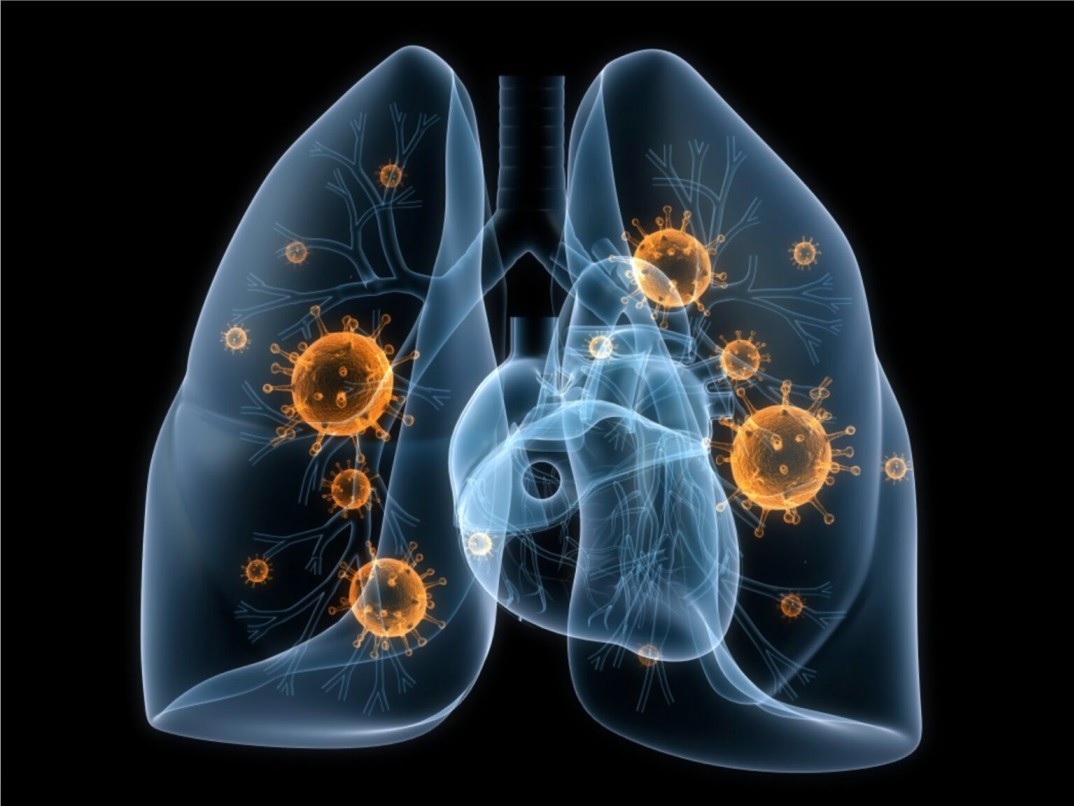
A diagnosis of non-small cell lung cancer can bring many questions for patients and their loved ones. However, understanding the condition can make the next steps easier to discuss with a healthcare team. This common type of lung cancer includes several subtypes. Also, symptoms, stage, tumor features, and overall health can affect the treatment plan.
What Is Non-Small Cell Lung Cancer?
Non-small cell lung cancer is a group of lung cancers that differ from small cell lung cancer. The main types include adenocarcinoma, squamous cell carcinoma, and large cell carcinoma. Each type can behave differently. Therefore, doctors use testing to identify the cancer type and understand how it is developing.
In some cases, non-small cell lung cancer may cause symptoms such as a lasting cough, chest discomfort, breathing problems, wheezing, hoarseness, or blood in the mucus. Unexplained weight loss, reduced appetite, and ongoing tiredness can also occur. However, some people have no noticeable symptoms. As a result, the condition may sometimes be found during tests performed for another health concern. Because these symptoms can have many causes, they do not automatically indicate cancer. Still, persistent or unusual changes deserve medical attention. A healthcare professional can decide which tests are appropriate.
How Is Non-Small Cell Lung Cancer Diagnosed?
Doctors usually begin with a medical history and physical examination. Next, imaging tests can help identify changes in the lungs. A chest X-ray may provide an initial view, while a CT scan can offer more detailed images. Depending on the findings, doctors may recommend additional procedures.
A tissue sample can also help confirm the diagnosis. Procedures such as bronchoscopy may allow doctors to collect cells or tissue for laboratory examination. Furthermore, other tests may help determine whether cancer has reached nearby lymph nodes or other areas of the body. Consequently, diagnosis is not based on one test alone. Doctors consider imaging, laboratory findings, tissue results, and the person’s overall medical history. This careful process helps the care team understand the disease before treatment begins.
Why Does Cancer Staging Matter?
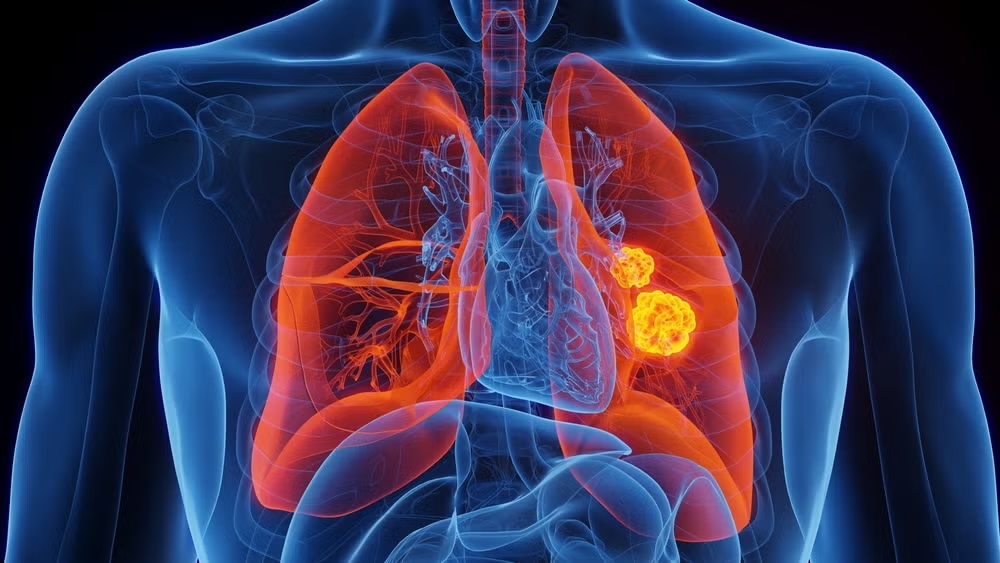
Once non-small cell lung cancer has been confirmed, doctors need to determine its stage. Staging describes how large the cancer is and whether it has spread. It can also show whether nearby lymph nodes or distant organs are involved. The disease may be classified from stage 0 through stage IV. The TNM system considers the primary tumor, nearby lymph nodes, and distant spread. Thus, staging provides important information for treatment planning.
For earlier-stage disease, surgery may be an option for some patients. Radiation therapy may also be considered in certain situations. In more advanced disease, doctors may use systemic treatments, including chemotherapy, targeted therapy, or immunotherapy. However, the right approach depends on several medical factors.
What Treatment Options May Be Considered?
Treatment for non-small cell lung cancer varies from one person to another. The stage is important, but it is not the only factor. Doctors may also consider the cancer subtype, molecular changes, tumor characteristics, overall health, and previous treatments. For some early-stage cancers, surgery can remove the tumor. In selected cases, doctors may add chemotherapy, targeted therapy, or immunotherapy before or after surgery. Radiation therapy can also play a role, particularly when surgery is not suitable.
For locally advanced disease, treatment may combine chemotherapy and radiation. Immunotherapy may also form part of treatment in appropriate cases. Meanwhile, advanced disease may require medicines that work throughout the body. Targeted therapies can be considered when specific genetic changes are present. Immunotherapy may also be appropriate depending on tumor characteristics. Because treatment options continue to develop, patients may also discuss clinical trials with their healthcare team. Clinical trials can provide access to treatments being studied while contributing to future cancer research.
What Questions Should Patients Ask Their Doctor?
After a diagnosis, it can be difficult to remember every question during an appointment. Therefore, writing questions down before a visit can help. Patients may ask about the cancer type, stage, test results, available treatments, possible side effects, and the purpose of each treatment.
It can also help to ask whether additional testing is needed. For example, molecular testing may identify changes that could influence treatment choices in some advanced cancers. Doctors can explain which tests are relevant to a specific case. Patients can also ask about supportive care. Managing symptoms, maintaining nutrition, staying active when appropriate, and receiving emotional support can all be part of comprehensive cancer care. Furthermore, family members or trusted friends may provide practical and emotional help throughout treatment.
Supporting Health During Cancer Care
Cancer treatment can affect daily routines, energy levels, appetite, and emotional well-being. Therefore, patients should communicate new or worsening symptoms to their healthcare team. Doctors and nurses can recommend ways to manage treatment-related problems.
A healthy routine can also support overall well-being. Depending on medical advice, patients may benefit from nutritious meals, appropriate physical activity, adequate rest, and emotional support. However, every person’s needs are different. A healthcare professional should guide decisions about diet, exercise, supplements, and other health changes during treatment. Loved ones also have an important role. They can help with appointments, transportation, meals, household tasks, and communication with the care team. Most importantly, they can provide a steady source of support during a challenging period.
Understanding the Road Ahead
A diagnosis of non-small cell lung cancer does not describe the same experience for every patient. The disease can differ in type, stage, molecular features, and response to treatment. Therefore, personalized medical care remains essential.
Better understanding can help patients take an active role in conversations with their healthcare team. At each stage, reliable information can make medical decisions easier to understand. Most importantly, patients should discuss their specific diagnosis and treatment options directly with qualified healthcare professionals rather than relying on general online information.