
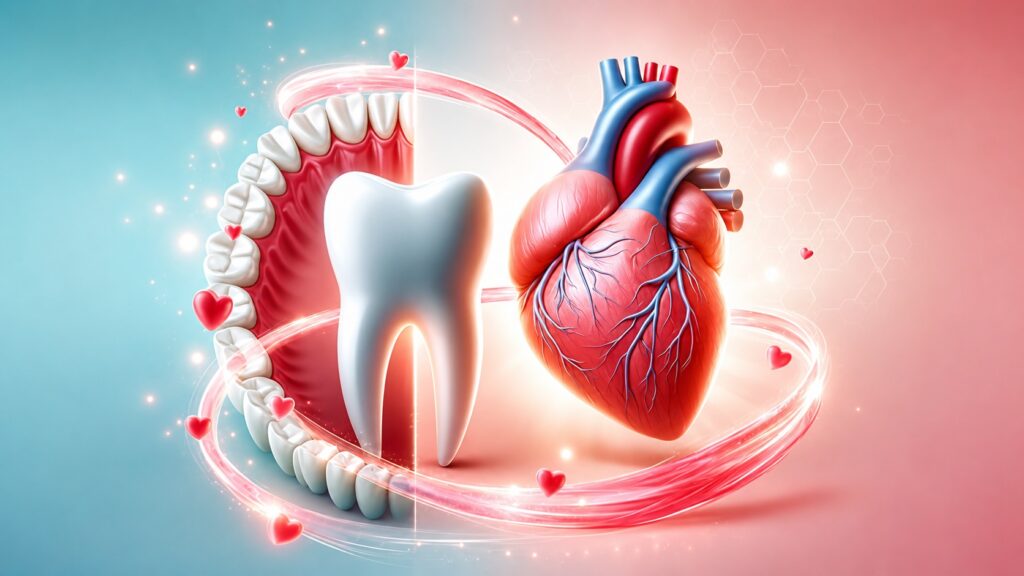
Oral health is more than a bright smile. Your gums, teeth, blood vessels and heart are part of a connected body system. That is why oral and cardiovascular health deserve attention together. Recent guidance from the American Heart Association highlights an association between gum disease and cardiovascular problems, while also noting that a direct cause-and-effect relationship has not been established. The key message is simple: caring for your mouth is an important part of caring for your overall health.
Why oral and cardiovascular health Matter
Your mouth contains many types of bacteria. Plaque can build up around the teeth and gums when daily care is neglected. Gum disease creates ongoing inflammation. In addition, bacteria and inflammatory substances from infected gums can enter the bloodstream.
Researchers continue to study how this process may influence blood vessels and cardiovascular risk. The American Heart Association says periodontal disease is associated with a higher risk of cardiovascular disease, although shared risk factors and other mechanisms may also play a role. Therefore, oral and cardiovascular health should be viewed as part of a wider preventive health routine. This connection does not mean that gum disease directly causes heart disease in every person. Instead, current evidence points to an association that may involve inflammation, bacteria and shared health risks. Consequently, keeping your mouth healthy remains a sensible part of whole-body care.
How Daily Hygiene Supports oral and cardiovascular health
A strong dental routine is one of the easiest ways to support oral and cardiovascular health. First, brush your teeth at least twice a day with fluoride toothpaste. Next, floss at least once each day to clean areas that a toothbrush cannot reach. Gentle brushing matters too. Pressing too hard can damage enamel and contribute to gum recession. In addition, clean your tongue and replace your toothbrush or brush head when it becomes worn. Regular dental visits also matter because a dental professional can identify plaque, gum inflammation, cavities and other concerns before they become more difficult to manage.
Another useful step is to pay attention to changes in your mouth. Bleeding gums, persistent swelling, tenderness, bad breath or loose teeth should not simply be ignored. Instead, discuss these signs with a dentist. Early attention can make treatment easier and help prevent problems from progressing. The American Heart Association recommends brushing twice daily and flossing once daily as part of everyday habits that support both mouth and heart health.
How Food Choices Influence oral and cardiovascular health
Diet affects oral and cardiovascular health in several ways. For example, frequent exposure to added sugars can feed harmful oral bacteria. These bacteria produce acids that can contribute to tooth decay. A diet high in refined carbohydrates may also make it harder to maintain a balanced eating pattern. Instead, build meals around vegetables, fruits, lean proteins, whole grains and healthy fats. These foods provide nutrients that support general health. Meanwhile, reducing sugary drinks, sweets and highly processed foods can help limit unnecessary sugar intake.
Water can also become a simple part of your routine. It helps keep the mouth moist and supports normal saliva flow. Saliva helps clear food particles and balance acids in the mouth. Therefore, choosing water more often can complement good oral hygiene. A balanced eating pattern can support healthy gums while also fitting into broader heart-health habits. However, diet alone cannot prevent every dental or cardiovascular condition. Regular professional care remains important.
Why Tobacco Matters for oral and cardiovascular health
Tobacco use is another important concern for oral and cardiovascular health. Smoking is strongly associated with gum disease, tooth loss and oral cancer. It can also affect blood vessels and cardiovascular health. Therefore, avoiding tobacco supports several areas of health at once. However, cigarettes are not the only products to consider. Vaping, chewing tobacco and dipping can also affect oral tissues. Some products may dry the mouth or affect blood flow around the gums. As a result, tobacco-free choices are a valuable part of preventive care.
Quitting can be difficult, so people should not feel they have to manage the process alone. A healthcare professional can help identify suitable support and strategies. Moreover, discussing tobacco use openly with your dentist and doctor can make preventive care more personal and practical. The American Heart Association specifically recommends avoiding smoking, vaping and other tobacco products as part of habits that support oral and heart health.
How Dental Visits Support oral and cardiovascular health
Dental appointments provide more than teeth cleaning. They give your dental team an opportunity to check the condition of your gums, teeth and mouth. At the same time, some dental practices may check blood pressure as part of broader health screening.
The American Heart Association encourages stronger communication between dental and medical teams. For example, patients can tell their dentist about heart conditions, blood pressure concerns, medications and major changes in health. Similarly, doctors should know about important oral health issues when relevant. This shared information can help professionals understand the bigger health picture.
Regular appointments are especially useful when symptoms appear. A person with persistent gum bleeding, swelling or pain should seek dental advice rather than waiting for the issue to disappear. Likewise, an unusually high blood pressure reading during a dental visit should be discussed with a medical professional for appropriate follow-up.
Dental teams can also become an important part of preventive healthcare. The American Heart Association notes that dental visits may provide an opportunity to identify high blood pressure and encourage appropriate medical follow-up.
What You Can Do Every Day
Healthy routines do not need to be complicated. Start with the basics: brush twice daily, floss once daily, choose a balanced diet, drink water, avoid tobacco and keep regular dental and medical appointments. Also, follow prescribed treatments and tell your healthcare team about medication side effects or new symptoms.
It is also helpful to remember that gum disease and cardiovascular disease can share risk factors. Age, smoking, diet and other health conditions may influence both. Consequently, improving one area should not be treated as a replacement for professional care in another.
The connection between the mouth and the heart is an active area of medical research. Current evidence supports an association between periodontal disease and cardiovascular disease, but researchers are still working to understand causality and how treatment may affect cardiovascular outcomes. Therefore, the practical approach is prevention, early attention and coordinated care.
A Healthier Routine Starts With Your Mouth
Good oral care is a simple part of whole-body wellness. Oral and cardiovascular health are closely connected through inflammation, shared risk factors and overall health habits. Yet the relationship is complex, and caring for your gums does not replace medical treatment or heart-health care.
Instead, think of dental care as one part of your complete health routine. Brush and floss consistently, choose nutritious foods, avoid tobacco and keep your healthcare providers informed. With these steady habits, you can protect your smile while supporting better overall health.