Balance Your Plate is one of the easiest ways to improve your daily diet and overall health. It helps you choose the right mix of foods without confusion. Instead of strict dieting, you focus on smart portions and variety. As a result, you enjoy better energy, improved digestion, and long-term wellness.
Moreover, building a balanced plate does not require complex rules. You simply divide your plate into three main sections: produce, protein, and whole grains. According to nutrition guidance, half your plate should contain fruits and vegetables, while the other half should include protein and grains.
Why It’s Important to Balance Your Plate
First, a balanced plate gives your body essential nutrients. These include vitamins, minerals, fiber, and protein. Therefore, your body functions better throughout the day.
Additionally, it helps maintain steady energy levels. When meals include a mix of nutrients, you feel full longer. This reduces unnecessary snacking.
Also, a balanced approach supports heart health and digestion. Foods rich in fiber and protein work together to improve metabolism and overall well-being.
Fill Half Your Plate with Fruits and Vegetables
Add Color and Variety to Your Meals
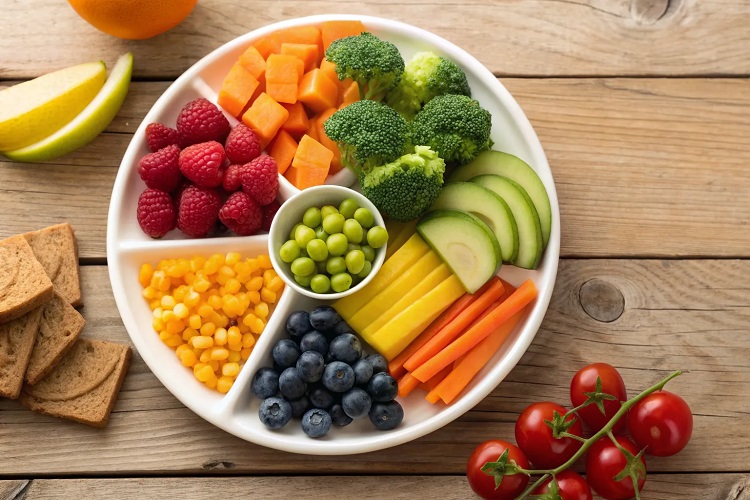
To begin, focus on filling half your plate with fruits and vegetables. This step forms the foundation of Balance Your Plate.
Fruits and vegetables contain essential nutrients. They are rich in fiber, vitamins, and antioxidants. Because of this, they help reduce inflammation and support heart health.
For example, you can include:
- Leafy greens like spinach and kale
- Bright vegetables like carrots and peppers
- Fruits like bananas, berries, and apples
Moreover, choosing a variety of colors ensures better nutrition. Each color provides different health benefits.
Fresh or Frozen – Both Work
You do not always need fresh produce. Frozen fruits and vegetables are equally nutritious. In fact, they are often more affordable and last longer.
Add Protein for Strength and Energy
Choose Smart Protein Sources
Next, dedicate a quarter of your plate to protein. This step is essential when you Balance Your Plate.
Protein helps build and repair muscles. It also supports brain function and keeps you full for longer.
Healthy protein options include:
- Eggs
- Chicken breast
- Beans and lentils
- Tofu
- Fish
Additionally, eggs provide important nutrients like choline, which supports brain health.
Mix Plant and Animal Proteins
You should include both plant-based and animal-based proteins. This adds variety and improves nutrition. For instance, combining beans with grains creates a complete protein source.
Include Whole Grains for Lasting Energy
Why Whole Grains Matter
The final quarter of your plate should contain whole grains. This completes the idea of Balance Your Plate.
Whole grains are rich in fiber and nutrients. They help digestion and support heart health. Unlike refined grains, they provide long-lasting energy.
Examples include:
- Brown rice
- Oats
- Quinoa
- Whole wheat bread
- Barley
Avoid Refined Grains
Refined grains lack fiber. Therefore, they do not keep you full for long. Instead, choose whole-grain options whenever possible.
Balance Your Plate with Proper Portions
Control Serving Sizes
Even healthy foods should be eaten in the right amount. Portion control plays a key role in maintaining balance.
For example:
- One slice of bread equals one serving
- Half a cup of pasta is enough
- Small portions prevent overeating
Moreover, serving food on plates instead of eating directly from packages helps control intake.
Eat Mindfully
You should avoid distractions while eating. Watching TV or using your phone can lead to overeating. Instead, focus on your meal. This improves satisfaction and digestion.
Stay Hydrated Alongside Balanced Meals
Water plays an important role in your diet. While you Balance Your Plate, you should also drink enough fluids.
Water helps regulate body temperature. It also supports digestion and removes waste. Therefore, always include a glass of water with meals.
Additionally, fruits and vegetables contribute to hydration. This adds another reason to include them daily.
Limit Salt and Processed Foods
Reduce Sodium Intake
Too much salt can harm your health. It increases blood pressure and affects heart function.
Most sodium comes from processed foods. Therefore, cooking at home helps control salt intake.
Use Healthy Alternatives
Instead of salt, use herbs and spices. This enhances flavor without harming your health. Also, rinsing canned foods reduces extra sodium.
Practical Tips to Balance Your Plate Daily
- Plan meals ahead of time
- Keep healthy ingredients ready
- Use simple recipes
- Include all food groups
- Avoid skipping meals
Additionally, try new foods regularly. This keeps meals interesting and nutritious.
Common Mistakes to Avoid
Even though the idea is simple, people often make mistakes.
- Eating too many refined carbs
- Skipping vegetables
- Overloading protein
- Ignoring portion sizes
Therefore, always aim for balance, not extremes.
How Balance Improves Long-Term Health
When you consistently Balance Your Plate, you build better habits. Over time, this leads to:
- Improved heart health
- Better weight management
- Stronger immunity
- Higher energy levels
Moreover, balanced eating reduces the risk of chronic diseases. It supports both physical and mental health.
Simple Meal Example
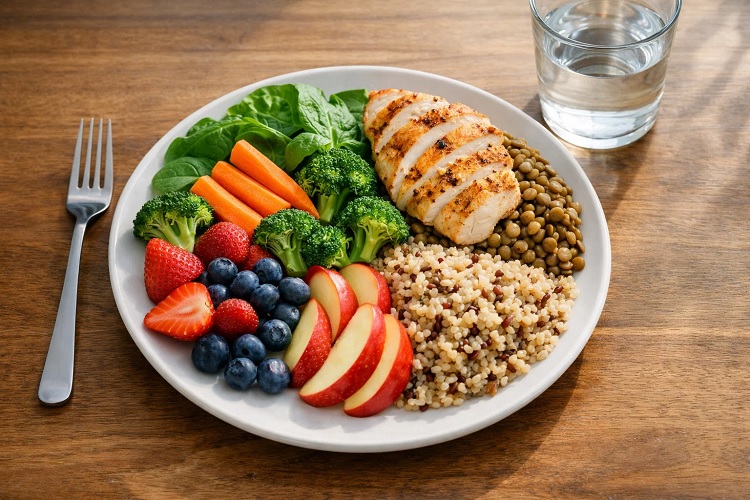
Here is a quick example of a balanced meal:
- Half plate: Mixed vegetables and salad
- One quarter: Grilled chicken or lentils
- One quarter: Brown rice or whole wheat roti
- Side: A glass of water
This combination provides nutrients, fiber, and energy.
Balance Your Plate is not about strict rules. Instead, it is about making smarter choices every day. By combining fruits, protein, and whole grains, you create meals that nourish your body.
Start with small changes. Then, build consistency over time. As a result, you will enjoy better health, improved energy, and a more balanced lifestyle.