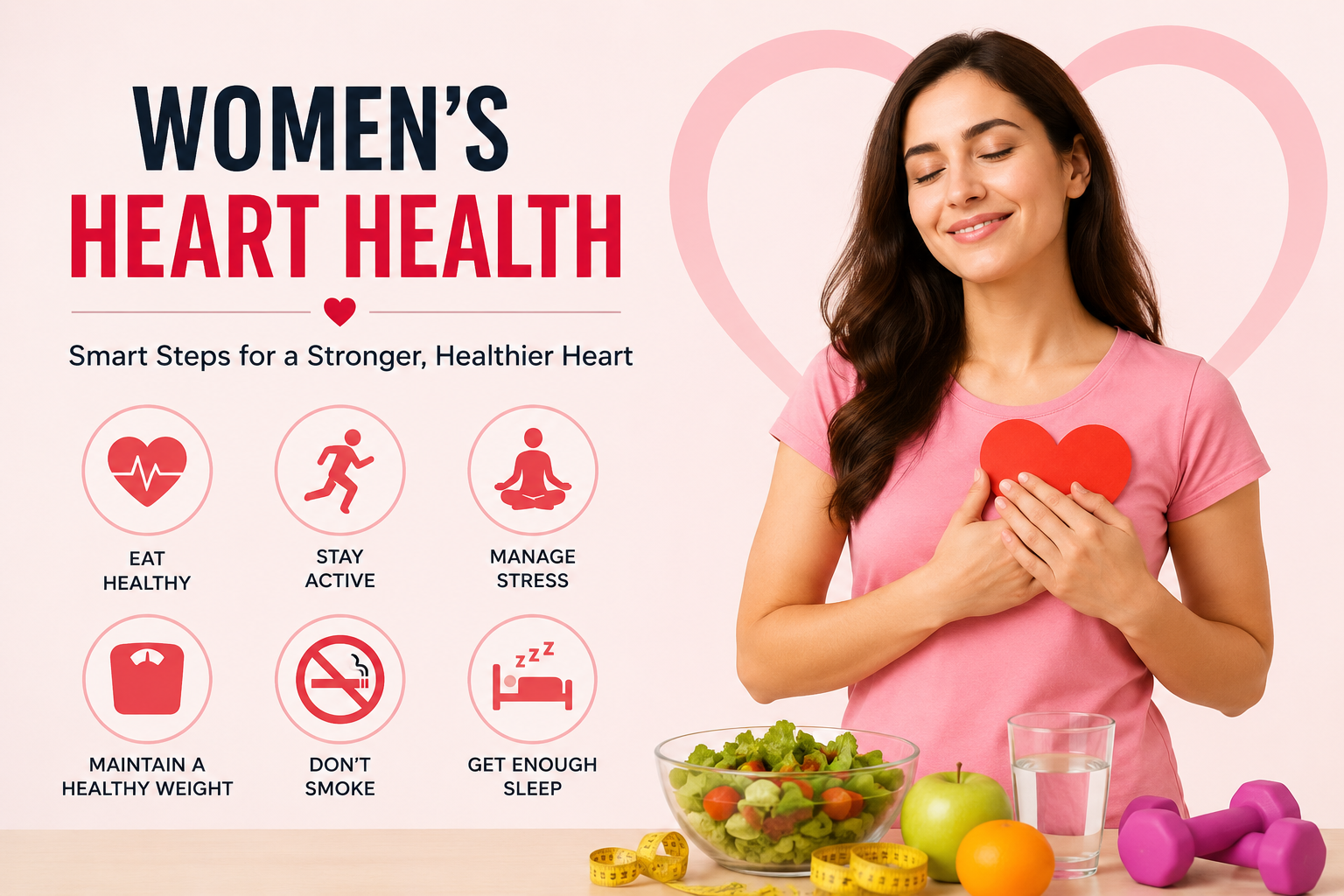
Heart disease remains one of the biggest health concerns for women worldwide. Although many women focus on conditions such as breast cancer, cardiovascular disease causes more deaths each year. Therefore, understanding Women’s Heart Health is essential for long-term wellness. With the right lifestyle choices, regular screenings, and greater awareness, women can significantly lower their risk of heart disease and enjoy healthier lives.
Many risk factors can be controlled. As a result, women who take proactive steps often experience better cardiovascular outcomes. Moreover, small daily changes can create lasting benefits for heart health.
Why Women’s Heart Health Deserves More Attention
Many people still consider heart disease a men’s health issue. However, research shows that cardiovascular disease affects millions of women every year. Furthermore, women often experience different symptoms than men, which can delay diagnosis and treatment.
Hormonal changes, pregnancy-related complications, and menopause can also influence cardiovascular health. Consequently, women need prevention strategies designed specifically for their needs.
Because awareness continues to grow, more women are taking steps to protect their hearts. Nevertheless, there is still a need for better education regarding symptoms, risk factors, and prevention.
Understanding Cardiovascular Disease in Women
Cardiovascular disease includes several conditions that affect the heart and blood vessels. These conditions can reduce blood flow and increase the risk of serious health problems.
Some common cardiovascular conditions include:
- Coronary artery disease
- Heart attack
- Heart failure
- Stroke
- Peripheral artery disease
Although genetics can play a role, lifestyle factors often have a greater impact. Therefore, focusing on prevention remains one of the most effective ways to improve Women’s Heart Health.
Major Risk Factors Affecting Women’s Heart Health
Several factors increase the likelihood of developing cardiovascular disease. While some cannot be changed, many can be managed successfully.
High Blood Pressure
High blood pressure forces the heart to work harder. Over time, this strain damages blood vessels and increases heart disease risk. Therefore, regular monitoring is crucial.
High Cholesterol
Excess cholesterol can build up inside arteries. As a result, blood flow becomes restricted, which may eventually lead to heart attacks or strokes.
Diabetes
Women with diabetes face a significantly higher risk of cardiovascular disease. Consequently, managing blood sugar levels is essential for heart protection.
Smoking
Smoking damages blood vessels and reduces oxygen supply throughout the body. Moreover, it increases blood pressure and promotes plaque buildup.
Obesity
Excess body weight places additional stress on the heart. Furthermore, obesity often contributes to diabetes, hypertension, and high cholesterol.
Family History
Although genetics cannot be controlled, understanding family medical history allows women to take preventive measures earlier.
How Nutrition Supports Women’s Heart Health
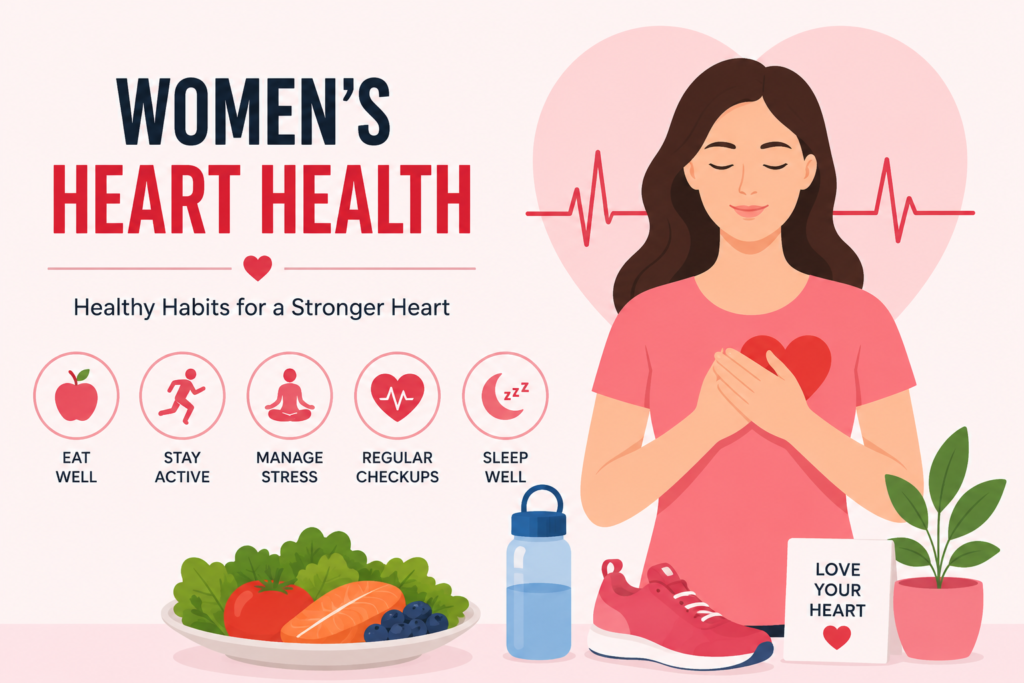
Diet plays a critical role in maintaining cardiovascular wellness. Therefore, healthy food choices should become part of everyday life.
A heart-friendly diet focuses on nutrient-rich foods while limiting unhealthy ingredients.
Eat More Fruits and Vegetables
Fresh produce provides vitamins, minerals, antioxidants, and fiber. In addition, these nutrients help reduce inflammation and support healthy blood vessels.
Choose Whole Grains
Whole grains contain more nutrients and fiber than refined grains. As a result, they help control cholesterol levels and support healthy digestion.
Include Lean Protein Sources
Fish, poultry, beans, and legumes provide protein without excessive saturated fat. Therefore, they are excellent choices for heart health.
Reduce Sodium Intake
Too much salt can raise blood pressure. Consequently, women should limit processed foods and choose low-sodium options whenever possible.
Limit Added Sugars
Excess sugar contributes to weight gain and diabetes. Therefore, reducing sugary beverages and snacks can support better cardiovascular health.
The Importance of Exercise for Women’s Heart Health
Physical activity strengthens the heart and improves circulation. Additionally, exercise helps manage weight, blood pressure, and cholesterol levels.
Women should aim for at least 150 minutes of moderate exercise each week. Fortunately, exercise does not have to be complicated.
Activities may include:
- Brisk walking
- Cycling
- Swimming
- Dancing
- Yoga
- Strength training
Even short activity sessions can make a difference. Therefore, consistency matters more than perfection.
Managing Stress for Better Cardiovascular Wellness
Stress affects both mental and physical health. Over time, chronic stress can contribute to high blood pressure and unhealthy lifestyle habits.
Therefore, women should develop healthy stress-management strategies.
Helpful approaches include:
- Meditation
- Deep breathing exercises
- Regular physical activity
- Spending time outdoors
- Connecting with family and friends
- Maintaining hobbies
Because emotional health influences heart health, stress reduction should be part of every wellness plan.
Sleep and Women’s Heart Health
Sleep often receives less attention than diet and exercise. However, poor sleep can negatively affect cardiovascular function.
Adults should generally aim for seven to nine hours of quality sleep each night. Furthermore, establishing a consistent sleep schedule supports better overall health.
Women experiencing sleep difficulties should discuss concerns with a healthcare provider. Early intervention can prevent long-term complications.
Special Life Stages That Impact Heart Health
Women experience unique biological changes throughout life. Consequently, cardiovascular risk can change over time.
Pregnancy
Certain pregnancy complications may increase future heart disease risk. These include:
- Gestational diabetes
- High blood pressure during pregnancy
- Preterm birth
Therefore, women with pregnancy-related complications should continue heart health monitoring after delivery.
Menopause
As estrogen levels decline, cardiovascular risk often increases. In addition, cholesterol levels and blood pressure may rise during this stage.
Healthy lifestyle habits become especially important during and after menopause.
Recognizing Heart Disease Symptoms in Women
Women often experience symptoms that differ from traditional heart attack signs.
While chest pain remains common, women may also notice:
- Shortness of breath
- Unusual fatigue
- Nausea
- Dizziness
- Jaw pain
- Neck discomfort
- Back pain
- Indigestion-like sensations
Because symptoms may appear subtle, women sometimes delay seeking care. Therefore, recognizing warning signs can save lives.
The Role of Regular Health Screenings
Preventive care helps identify health concerns before they become serious.
Women should routinely monitor:
- Blood pressure
- Cholesterol levels
- Blood sugar levels
- Weight and body mass index
Regular medical appointments also provide opportunities to discuss family history and lifestyle habits. Consequently, healthcare providers can recommend personalized prevention strategies.
Building Long-Term Heart-Healthy Habits
Improving cardiovascular wellness does not require drastic changes overnight. Instead, lasting success comes from consistent healthy choices.
Women can start by:
- Walking daily
- Choosing healthier meals
- Drinking more water
- Avoiding tobacco products
- Managing stress effectively
- Prioritizing sleep
- Scheduling routine health checks
Over time, these habits create powerful benefits for both heart health and overall well-being.
Heart disease remains a serious threat, yet many cases can be prevented through lifestyle improvements and early intervention. By prioritizing Women’s Heart Health, women can reduce cardiovascular risks and improve their quality of life. Furthermore, healthy eating, regular exercise, stress management, quality sleep, and routine screenings work together to create a strong foundation for lifelong wellness.
Every positive choice supports a healthier heart. Therefore, starting today can make a meaningful difference for the future.