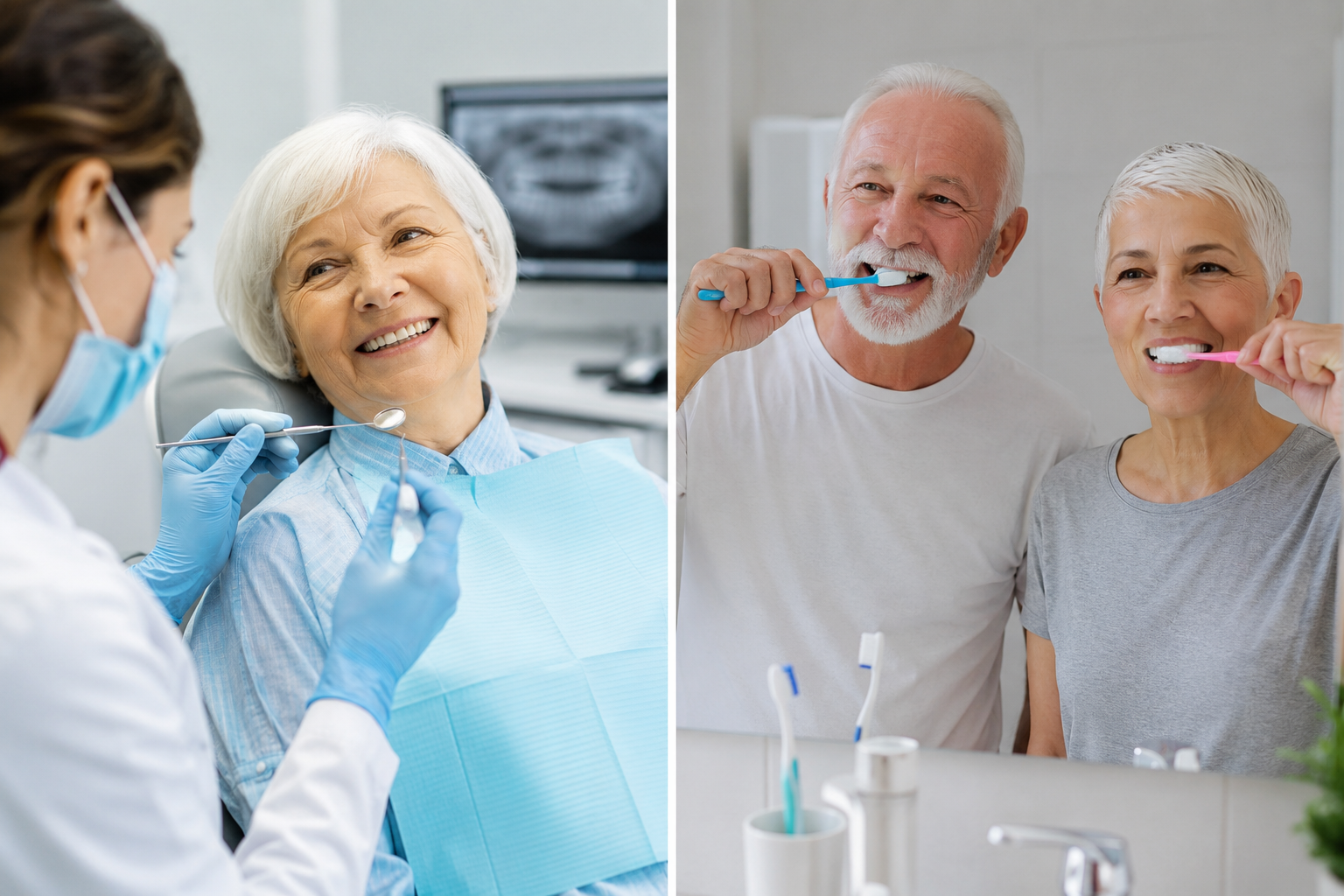
A healthy smile remains important at every stage of life. However, many people pay less attention to their oral care as they grow older. Senior Dental Health plays a vital role in overall well-being because the condition of your mouth can affect nutrition, confidence, and even general health. Therefore, maintaining healthy teeth and gums should remain a priority throughout the aging process.
Although aging brings natural changes to the body, tooth loss and severe dental problems are not unavoidable. With proper care and regular dental visits, older adults can enjoy strong teeth and healthy gums for many years. Furthermore, understanding age-related dental challenges can help prevent serious complications before they begin. Research shows that older adults are more likely to experience dry mouth, gum disease, and root decay, but these conditions are often preventable with good oral hygiene habits.
Understanding Senior Dental Health and Aging
As people age, their mouths go through several changes. The enamel on teeth gradually wears down, making teeth more sensitive. At the same time, gums may recede, exposing tooth roots and increasing the risk of decay.
In addition, many seniors take medications for chronic conditions. Unfortunately, these medications often reduce saliva production. As a result, dry mouth becomes a common concern. Saliva helps wash away bacteria and food particles, so reduced saliva can increase the risk of cavities and infections.
Despite these challenges, aging itself does not automatically cause poor oral health. Instead, lifestyle habits, medical conditions, and inadequate dental care often contribute to dental problems later in life.
Why Senior Dental Health Impacts Overall Wellness
Oral health affects much more than your smile. In fact, researchers have identified connections between gum disease and several serious health conditions. Therefore, caring for your teeth and gums can support your overall quality of life.
When oral health declines, eating becomes difficult. Consequently, seniors may avoid nutritious foods that require chewing. This can lead to poor nutrition and reduced energy levels.
Moreover, untreated gum disease can contribute to inflammation throughout the body. Studies have linked periodontal disease with heart disease, stroke, and other health concerns. Therefore, maintaining good oral hygiene is an important part of healthy aging.
A healthy mouth also supports emotional well-being. People who feel confident about their smiles often enjoy social activities more and experience greater self-esteem.
Common Dental Problems Older Adults Face
Dry Mouth
Dry mouth, also known as xerostomia, affects many older adults. Most often, medications cause this condition. However, certain medical conditions can also contribute to reduced saliva production.
When saliva decreases, bacteria multiply more easily. Consequently, the risk of cavities, gum disease, and mouth infections rises significantly. Experts estimate that dry mouth affects a large percentage of adults over 65 years old.
Drinking water throughout the day can help relieve symptoms. Additionally, sugar-free gum may stimulate saliva production.
Gum Disease
Gum disease remains one of the leading causes of tooth loss among seniors. It usually begins as mild gum inflammation. However, without treatment, it can progress into serious periodontal disease.
Symptoms may include:
- Bleeding gums
- Swelling
- Persistent bad breath
- Loose teeth
- Receding gums
Fortunately, daily brushing, flossing, and professional cleanings can greatly reduce the risk.
Tooth Decay
Many people assume cavities only affect children. However, older adults face a significant risk of tooth decay, especially around exposed tooth roots.
Root cavities can develop quickly because root surfaces are softer than enamel. Therefore, seniors should pay close attention to daily oral hygiene and fluoride use.
Tooth Sensitivity
As enamel thins over time, teeth become more sensitive to hot, cold, sweet, or acidic foods. This discomfort can interfere with daily activities and eating habits.
Using toothpaste designed for sensitive teeth often helps. Additionally, regular dental examinations can identify underlying causes before symptoms worsen.
Essential Daily Habits for Better Senior Dental Health
Strong oral health starts with consistent daily care. Fortunately, a few simple habits can make a significant difference.
Brush Correctly Twice a Day
Brushing remains the foundation of oral hygiene. Dentists recommend brushing for two minutes, twice daily, using fluoride toothpaste.
A soft-bristled toothbrush is usually the best choice because it cleans effectively without damaging gum tissue. Furthermore, electric toothbrushes can help seniors who have limited hand mobility.
Floss Every Day
Although brushing removes plaque from tooth surfaces, it cannot reach between teeth. Therefore, daily flossing remains essential. For individuals who find traditional floss difficult to use, water flossers and interdental brushes provide effective alternatives.
Stay Hydrated
Water supports oral health in several ways. It helps rinse away food particles, keeps tissues moist, and reduces the effects of dry mouth. Therefore, drinking water regularly throughout the day can support healthier teeth and gums.
Use Fluoride Products
Fluoride strengthens tooth enamel and helps prevent decay. Consequently, fluoride toothpaste should remain part of every senior’s oral care routine. In some cases, dentists may recommend additional fluoride treatments for individuals at higher risk of cavities.
Nutrition and Senior Dental Health
Diet directly influences oral health. Therefore, healthy eating habits can help protect teeth and gums as you age. Foods rich in calcium support strong teeth and bones. Good options include dairy products, leafy greens, and fortified foods. Vitamin D also plays an important role because it helps the body absorb calcium effectively.
Meanwhile, limiting sugary snacks and beverages reduces cavity risk. Bacteria feed on sugar and produce acids that damage tooth enamel. Therefore, reducing sugar intake benefits both oral and overall health. Crunchy fruits and vegetables can also stimulate saliva production while helping clean teeth naturally.
The Importance of Regular Dental Visits
Many older adults visit a dentist only when pain develops. However, preventive care remains far more effective than treatment after problems appear.
Regular dental examinations allow professionals to identify issues early. As a result, treatment becomes easier, less expensive, and more successful.
During routine appointments, dentists can:
- Remove plaque and tartar buildup
- Screen for oral cancer
- Detect cavities early
- Monitor gum health
- Evaluate dentures and dental restorations
Experts recommend maintaining regular checkups even when no symptoms are present.
Caring for Dentures and Dental Restorations
Many seniors rely on dentures, bridges, or implants. Although these restorations replace missing teeth, they still require proper maintenance.
Dentures should be cleaned daily to prevent bacteria buildup and unpleasant odors. Additionally, they should fit properly to avoid irritation and sores.
People with dental implants must continue brushing and flossing because gum disease can still affect surrounding tissues. Regular professional evaluations help ensure restorations remain comfortable and functional.
Lifestyle Choices That Support Senior Dental Health
Healthy habits can significantly improve oral health outcomes. Avoiding tobacco products is especially important because smoking increases the risk of gum disease, tooth loss, and oral cancer. Limiting alcohol consumption can also help reduce dry mouth symptoms.
Additionally, managing chronic conditions such as diabetes supports healthier gums and lowers infection risks. Small lifestyle improvements often create long-term benefits for both oral and overall health.
Building Healthy Dental Habits for Aging Well
Maintaining Senior Dental Health is one of the most important investments older adults can make in their well-being. While aging introduces new challenges, many dental problems remain preventable with consistent care.
Daily brushing, flossing, hydration, healthy nutrition, and routine dental visits all contribute to a stronger smile. Furthermore, early intervention can prevent minor concerns from becoming serious complications.
A healthy mouth supports better nutrition, improved confidence, and enhanced overall health. Therefore, oral care should remain a priority at every age. By taking proactive steps today, seniors can enjoy healthier smiles and a better quality of life for years to come.