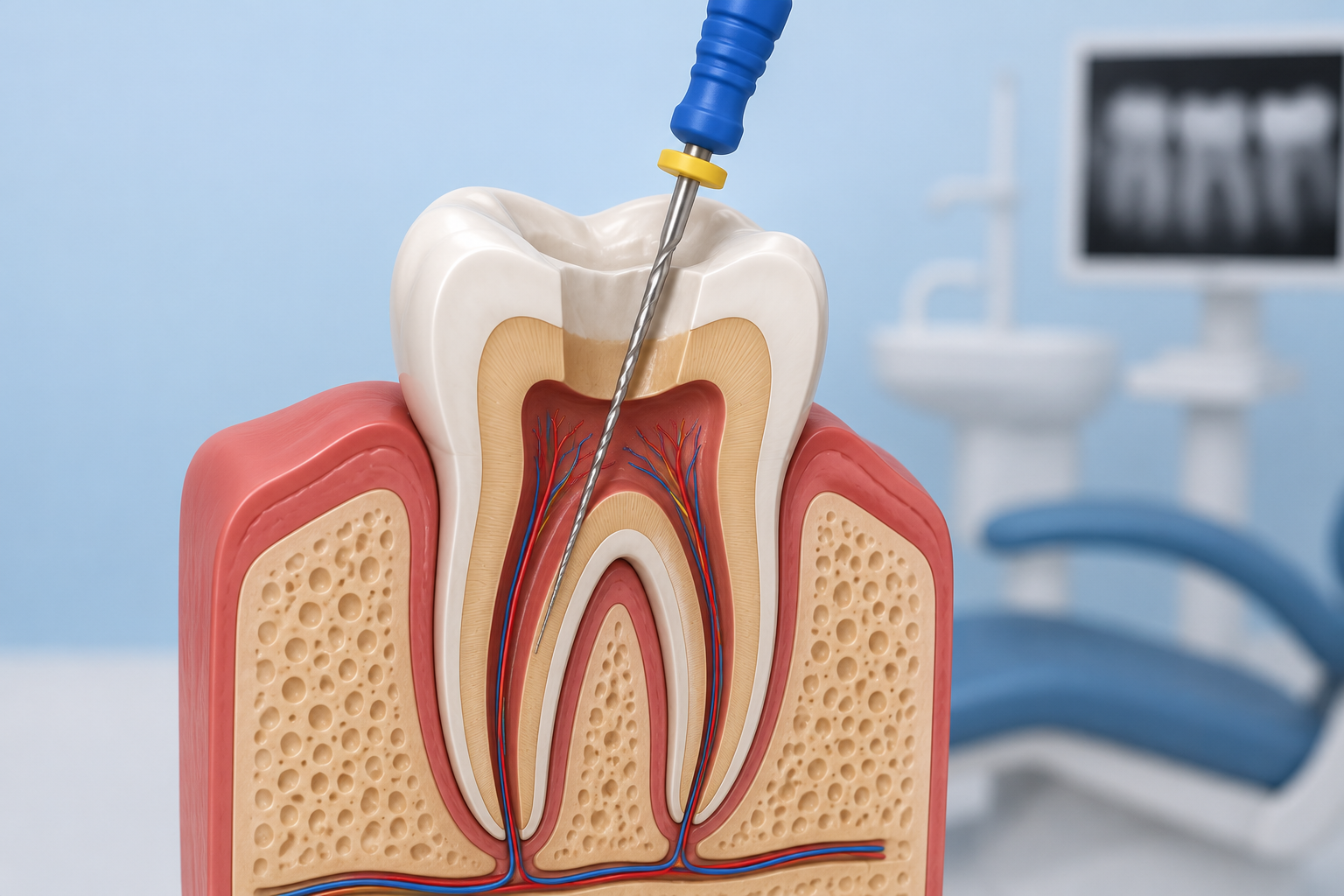
Maintaining good oral health is about much more than having a bright smile. Healthy teeth and gums contribute to better overall wellness, while untreated dental infections can affect daily comfort and quality of life. Root canal treatment is one of the most effective dental procedures for saving damaged teeth and stopping infections before they spread. Rather than removing a severely infected tooth, this treatment helps preserve its natural structure while restoring normal function.
Many people feel nervous when they hear the words “root canal.” However, advances in modern dentistry have made the procedure safe, efficient, and much more comfortable than its reputation suggests. Early treatment not only relieves pain but also helps protect surrounding teeth, supports long-term oral health, and reduces the risk of more serious dental problems.
Why Root Canal Treatment Is Important
A healthy tooth contains soft tissue called the pulp. This tissue includes nerves, blood vessels, and connective tissue that help the tooth develop. Once a tooth is fully formed, it can continue functioning even if the pulp becomes damaged or infected.
When bacteria reach the pulp through deep decay, cracks, or injury, infection begins to develop. Without proper care, the infection can spread beyond the tooth and affect nearby bone and gum tissue. Root canal treatment removes the infected pulp, cleans the inside of the tooth, and seals it to prevent future infection. Saving the natural tooth is often the best solution because it allows normal chewing, maintains proper bite alignment, and helps preserve jawbone strength.
Common Signs You May Need Root Canal Treatment
Recognizing the warning signs early allows dentists to treat infections before they become more severe. One of the most common symptoms is persistent tooth pain that continues while eating or even when resting. Some people experience increased sensitivity to hot or cold foods that lasts long after eating or drinking. Others notice swelling around the gums, tenderness near the affected tooth, or a small pimple-like bump on the gum.
Tooth discoloration may also indicate damage inside the pulp. In some cases, an infected tooth causes pain when biting down or chewing. Although these symptoms may result from other dental conditions, they should never be ignored. A dental examination is the best way to determine whether root canal treatment is necessary.
How Root Canal Treatment Works
Modern dental technology has made root canal treatment much more comfortable than many people expect. The procedure usually begins with a detailed examination, including dental X-rays that help identify the location and extent of the infection. After numbing the area with local anesthesia, the dentist creates a small opening in the tooth. The infected pulp is carefully removed, and the inner canals are cleaned, shaped, and disinfected.
Once the canals are free of bacteria, they are filled with a special material that seals the space and prevents future infection. Finally, the tooth is restored with either a filling or a dental crown, depending on the amount of remaining tooth structure. Most patients can return to their regular activities shortly after treatment with only mild temporary discomfort.

Benefits of Root Canal Treatment for Oral Health
Choosing root canal treatment provides several important advantages over tooth extraction. The biggest benefit is preserving your natural tooth, which helps maintain proper chewing ability and normal speech. Keeping the original tooth also prevents nearby teeth from shifting into empty spaces. This helps preserve bite alignment while reducing future orthodontic concerns.
The procedure eliminates painful infections, allowing patients to eat, smile, and speak more comfortably. Restoring the tooth also improves appearance because dental crowns closely resemble natural teeth. Long-term success rates remain very high when patients maintain proper oral hygiene and attend routine dental checkups.
How Oral Health Affects Overall Wellness
The connection between oral health and overall health has become increasingly important in modern healthcare. Infections inside the mouth can create ongoing inflammation that may affect other parts of the body. Untreated dental infections can spread into surrounding tissues, causing swelling, severe pain, and additional complications. Prompt dental care reduces these risks while helping maintain better overall health.
Healthy teeth also support proper nutrition because comfortable chewing makes it easier to enjoy balanced meals. Good nutrition strengthens the immune system and supports healing throughout the body. Maintaining oral health contributes to improved confidence, clearer speech, and better daily comfort, making dental care an important part of overall wellness.
Recovery After Root Canal Treatment
Recovery following root canal treatment is usually straightforward. Most patients experience only mild soreness for a few days, which often responds well to over-the-counter pain relief recommended by their dentist. Avoid chewing on the treated tooth until the permanent restoration has been placed. Following all post-treatment instructions helps the tooth heal properly while reducing unnecessary pressure.
Brushing twice daily, flossing regularly, and using any prescribed medications as directed all support successful healing. Attending follow-up appointments also allows the dentist to confirm that healing is progressing as expected and that no additional treatment is needed.
Preventing Future Tooth Infections
Although root canal treatment successfully treats existing infections, preventing future dental problems remains equally important. Daily brushing with fluoride toothpaste removes plaque before bacteria can damage tooth enamel. Flossing reaches areas between teeth where toothbrushes cannot clean effectively.
Regular professional cleanings remove hardened plaque while allowing dentists to identify small problems before they become serious. Reducing sugary foods and beverages also lowers cavity risk by limiting bacterial growth inside the mouth. Wearing a mouthguard during contact sports protects teeth from injuries that could expose the dental pulp to infection. Healthy daily habits significantly reduce the likelihood of future dental complications.
Common Myths About Root Canal Procedures
Despite its effectiveness, several myths continue to discourage people from seeking timely dental care. One common misconception suggests that root canal procedures are extremely painful. In reality, modern anesthesia and improved techniques allow most patients to remain comfortable throughout the procedure.
Another myth claims that tooth extraction is always a better choice. In many situations, preserving the natural tooth provides better long-term function and oral stability. Some people also believe root canal procedures require lengthy recovery periods. Most individuals return to normal activities within a day while following simple aftercare instructions. Understanding the facts helps patients make informed decisions without unnecessary fear.
Choosing the Right Dental Care
Receiving treatment from an experienced dental professional plays an important role in achieving successful outcomes. Dentists carefully evaluate each patient’s symptoms, medical history, and diagnostic images before recommending the most appropriate treatment.
Open communication allows patients to ask questions, understand each step of the procedure, and feel more confident throughout the process. Routine dental visits remain essential even after successful treatment because regular examinations help detect future problems early. Building a long-term relationship with a trusted dental provider supports better oral health at every stage of life.
Protect Your Smile with Timely Dental Care
Healthy teeth are essential for eating, speaking, smiling, and maintaining overall well-being. Root canal treatment offers an effective way to save infected teeth, eliminate pain, and restore normal oral function without unnecessary tooth loss.
Seeking care as soon as symptoms appear allows dentists to stop infections before they progress into more serious complications. Combined with daily oral hygiene, routine dental visits, and healthy lifestyle habits, timely treatment helps preserve your natural smile for many years.
Modern dentistry continues to make root canal procedures safer, faster, and more comfortable than ever before. Taking action early protects not only your oral health but also your confidence, comfort, and overall quality of life.