Your liver works around the clock to remove toxins, process nutrients, support digestion, and regulate many important body functions. Despite its vital role, liver disease often develops without noticeable symptoms during its early stages. For this reason, the FibroScan liver test has become an important tool for identifying liver damage before serious complications occur.
Unlike traditional diagnostic methods that may require invasive procedures, FibroScan offers a quick, painless, and non-invasive way to assess liver health. It helps healthcare professionals measure liver stiffness and detect early signs of fibrosis or fatty liver disease. Early diagnosis allows patients to make lifestyle changes or begin treatment before permanent liver damage develops.
Understanding how this technology works can encourage more people to prioritize regular liver health checks and seek medical advice when necessary.
What Is a FibroScan Liver Test?
The FibroScan liver test is a specialized ultrasound-based examination that measures liver stiffness and fat accumulation without surgery or needles. The procedure uses harmless sound waves to evaluate liver tissue and provide immediate results.
Healthy liver tissue remains soft and flexible. However, when liver disease progresses, scar tissue develops and causes the liver to become stiffer. FibroScan accurately measures this stiffness, helping doctors identify liver fibrosis and monitor disease progression.
The scan also measures liver fat levels, making it valuable for detecting fatty liver disease. Since the examination takes only a few minutes, patients receive important diagnostic information without discomfort or lengthy recovery.
Why FibroScan Liver Test Is Important for Early Detection
Many liver diseases develop silently. A person may have significant liver damage before noticeable symptoms appear. This is why the FibroScan liver test plays such an important role in preventive healthcare. Early liver disease rarely causes pain. As a result, many people remain unaware that their liver function is declining. FibroScan helps identify problems before complications such as cirrhosis or liver failure occur.
Detecting liver disease early gives healthcare providers an opportunity to recommend lifestyle improvements, prescribe treatment when needed, and closely monitor liver health over time. Prompt diagnosis often leads to better long-term outcomes because treatment can begin before irreversible damage develops.
Conditions That a FibroScan Liver Test Can Help Identify
Doctors recommend the FibroScan liver test for several liver conditions that affect millions of people worldwide. Fatty liver disease is one of the most common reasons for undergoing the scan. Excess fat stored in liver cells may gradually lead to inflammation and fibrosis if left untreated. The test also helps monitor chronic hepatitis B and hepatitis C infections by evaluating scar tissue formation.
Patients with alcohol-related liver disease often benefit from regular FibroScan examinations because the scan helps measure ongoing liver damage and recovery after reducing alcohol consumption. Healthcare providers may also recommend the test for people with obesity, diabetes, metabolic syndrome, or abnormal liver blood test results.
How the FibroScan Procedure Works
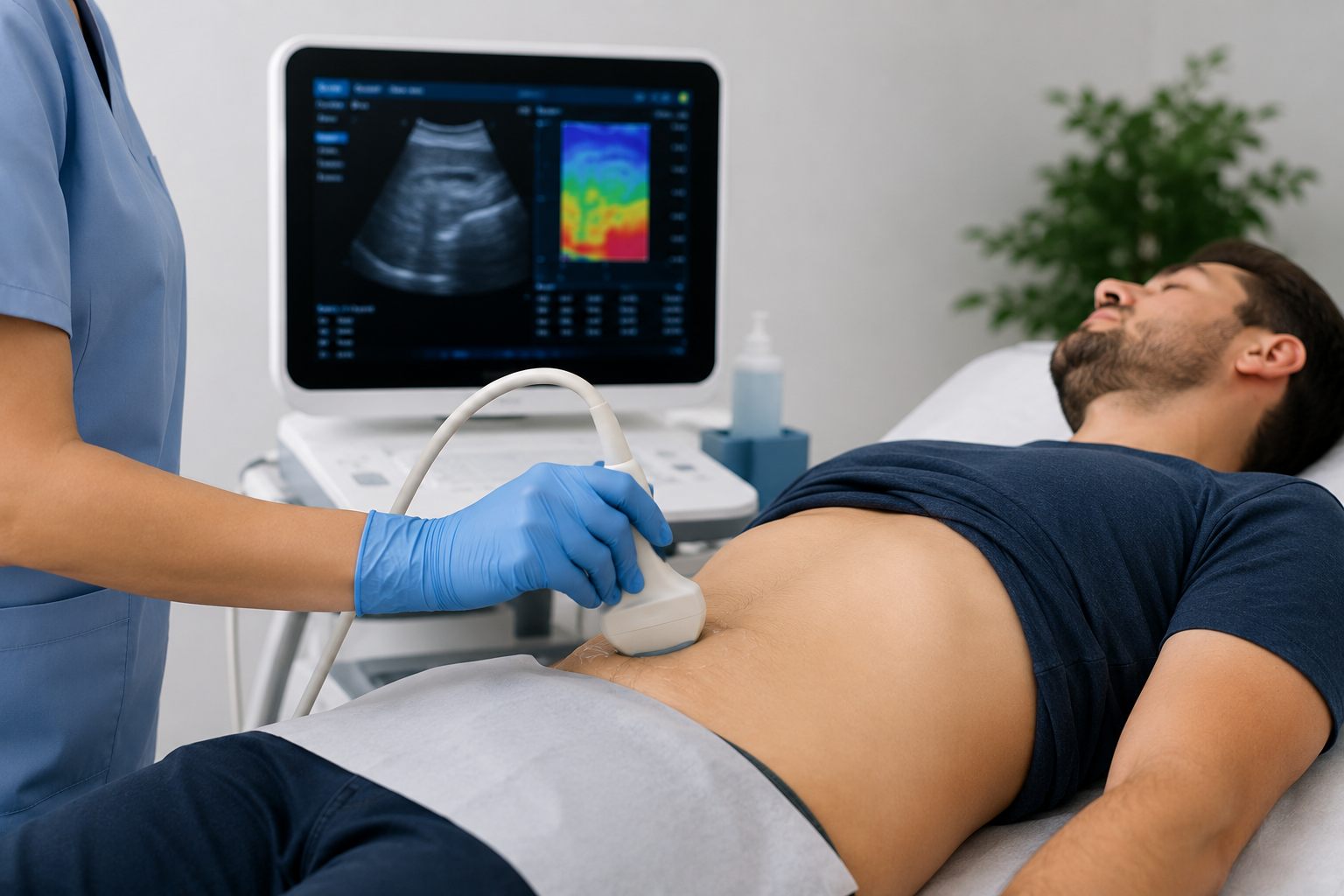
The FibroScan liver test is designed to be simple, comfortable, and efficient. During the examination, the patient lies comfortably on an examination table while exposing the upper right side of the abdomen. A trained healthcare professional places a small probe against the skin over the liver. The device sends gentle vibrations through the liver tissue while measuring how quickly sound waves travel through the organ. Faster wave movement indicates increased liver stiffness.
The procedure usually takes less than fifteen minutes and does not require anesthesia, injections, or recovery time. Once the scan is complete, patients can immediately return to their normal daily activities.

Benefits of Choosing a FibroScan over Traditional Liver Biopsy
One major advantage of the FibroScan liver test is that it provides valuable information without the discomfort associated with liver biopsy. Traditional biopsy requires inserting a needle into the liver to collect tissue samples. Although effective, biopsies carry small risks such as bleeding, infection, and temporary pain.
FibroScan eliminates these concerns by using non-invasive ultrasound technology instead. The scan is quick, repeatable, and comfortable, making it suitable for routine monitoring over months or years. Since there is no recovery period, patients experience minimal disruption to their daily schedules while still receiving accurate liver assessments.
Who Should Consider a FibroScan Liver Test?
Many people can benefit from a FibroScan liver test, especially those who have risk factors for liver disease. People who regularly consume large amounts of alcohol may develop liver damage without obvious symptoms. Regular liver screening helps identify early changes before permanent injury occurs. Individuals with obesity, type 2 diabetes, high cholesterol, or metabolic syndrome also face an increased risk of fatty liver disease.
Patients diagnosed with viral hepatitis often undergo routine FibroScan examinations to monitor treatment progress. People with unexplained abnormal liver blood tests may also require further evaluation using FibroScan technology. Healthcare providers determine whether this examination is appropriate based on each person’s medical history and overall health.
Understanding FibroScan Results
The results of a FibroScan liver test help healthcare professionals understand the current condition of the liver. Lower stiffness measurements generally indicate healthy liver tissue with minimal fibrosis. Higher measurements may suggest increasing levels of scar tissue, requiring further evaluation or treatment.
The scan also estimates fat accumulation inside the liver, helping diagnose fatty liver disease and monitor improvement following lifestyle changes. Doctors interpret FibroScan results alongside blood tests, medical history, imaging studies, and physical examinations to create a complete picture of liver health. Patients should always discuss results with their healthcare provider rather than attempting to interpret them independently.
Supporting Liver Health after a FibroScan
Completing a FibroScan liver test often motivates patients to improve their liver health through positive lifestyle changes. Reducing alcohol consumption significantly lowers ongoing liver damage while allowing healthy tissue to recover whenever possible. Maintaining a healthy weight supports better liver function and reduces excess fat accumulation.
A balanced diet rich in vegetables, fruits, whole grains, and lean proteins promotes healthy liver metabolism. Regular exercise improves insulin sensitivity while helping reduce fatty liver disease risk. Patients should also take medications only as directed and attend regular follow-up appointments to monitor liver health over time. Healthy habits often slow disease progression while improving overall well-being.
Why Regular Liver Health Checks Matter
Liver disease frequently progresses without noticeable warning signs until significant damage has already occurred. This makes routine liver screening increasingly valuable for people with known risk factors.
The FibroScan liver test provides healthcare professionals with reliable information while avoiding invasive procedures. Repeated scans allow doctors to monitor disease progression and evaluate treatment success over time. Early intervention gives patients the opportunity to reverse some liver conditions before permanent scarring develops. Regular monitoring also encourages long-term commitment to healthier lifestyle choices that support both liver health and overall wellness.
Protect Your Liver through Early Screening
Your liver performs hundreds of essential functions every day, making early detection of liver disease extremely important. The FibroScan liver test offers a safe, painless, and highly effective way to identify liver fibrosis and fatty liver disease before serious complications develop.
Combined with routine medical care, healthy nutrition, regular exercise, and responsible alcohol use, FibroScan supports proactive liver health management. Early diagnosis allows healthcare providers to recommend appropriate treatment while giving patients the best opportunity to protect their liver for years to come. Choosing regular liver health screening is a simple step that can make a lasting difference in your overall health and quality of life.