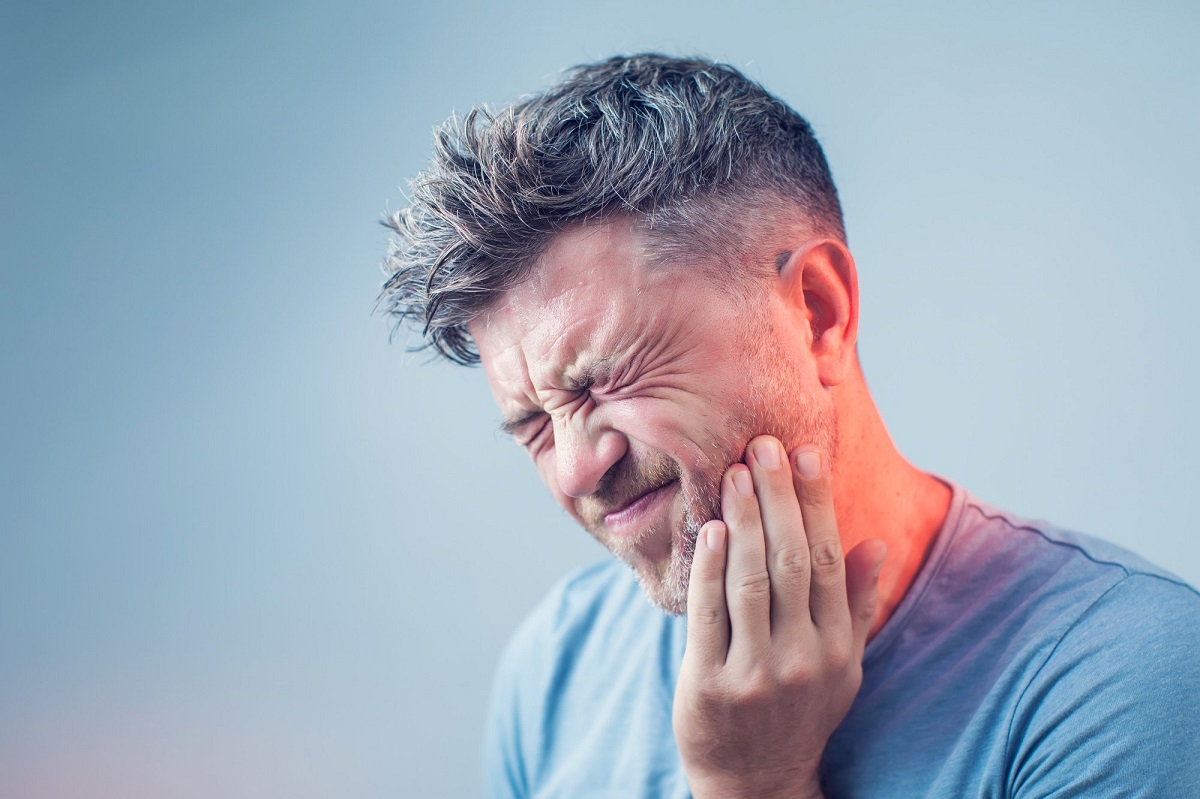
Unexpected oral trauma can cause severe stress and physical discomfort without warning. Knowing practical dental emergency tips allows you to take immediate control of a dangerous situation. Most oral accidents happen when you least expect them during daily activities. Because sudden injuries create instant panic, having a clear action plan remains essential. You can easily protect your teeth by taking proper first-aid steps at home. Consequently, acting quickly preserves your smile and prevents further structural damage.
Many people hesitate when dealing with sudden oral injuries or intense swelling. However, delaying proper first-aid care often makes simple dental issues far worse. When you respond swiftly, you significantly reduce pain and protect vulnerable tooth roots. Therefore, keeping calm during an unexpected crisis allows for rational decision-making. Furthermore, taking immediate steps stabilizes your health until a healthcare professional becomes available.
Understanding Why Immediate First-Aid Action Matters
Oral health crises usually demand immediate care to avoid long-term complications. While waiting for your appointment, using targeted dental emergency tips stabilizes the injured area effectively. Because mouth tissues contain delicate nerves and sensitive blood vessels, untreated injuries escalate quickly. Thus, managing symptoms during the first hour protects your long-term health.
When you experience severe pain, immediate action minimizes tissue damage. In addition, applying proper temporary solutions prevents bacteria from invading open tooth structures. So, learning basic first-aid methods gives you confidence during high-stress moments.
How to Handle a Knocked-Out Tooth Quickly
A completely dislodged permanent tooth requires urgent medical attention to preserve the root. Following proven dental emergency tips maximizes the chances of saving your natural tooth structure. First, pick up the dislodged tooth strictly by its chewing crown. Because touching the delicate root damages vital cells, avoid touching the bottom area completely.
Next, gently rinse away surface dirt using clean water or fresh milk. But never scrub the tooth or remove attached tissue fragments under any circumstances. If possible, carefully slip the tooth back into its original socket right away. Otherwise, submerge the tooth completely in a small container filled with cold milk. Then, visit an urgent care clinic within thirty minutes for the best outcome.

Managing Sudden Pain with Proven Dental Emergency Tips
Severe toothaches often indicate deep decay, advanced infection, or structural nerve damage. Applying actionable dental emergency tips alleviates unbearable throbbing while you wait for professional treatment. To begin, thoroughly rinse your mouth using warm saltwater to clear away hidden debris. Then, use wax-coated dental floss to gently remove trapped food particles between your teeth.
If facial swelling develops, place a cold compress against the outside of your cheek. Applying ice for fifteen minutes at a time numbs sharp pain efficiently. Additionally, over-the-counter pain medications like ibuprofen provide temporary physical relief. However, never place aspirin directly against bleeding gums because it causes chemical burns.
- Rinse gently with warm salt water to clean infected tissues naturally.
- Apply an ice pack externally to reduce facial swelling and numb sharp pain.
- Use dental floss carefully to remove trapped debris causing uncomfortable pressure.
What to Do for Broken Teeth and Lost Fillings
Accidentally biting down on hard food can crack enamel or dislodge old restorations. Following key dental emergency tips protects exposed tooth surfaces from aggressive oral bacteria. If your tooth breaks, collect all broken fragments and rinse your mouth with warm water. Then, cover jagged enamel edges using soft orthodontic wax to prevent painful tongue cuts.
When a crown or filling falls out, the exposed inner tooth becomes sensitive to temperature. Consequently, drinking cold liquids might trigger sharp, radiating pain throughout your jaw. You can temporarily fill the empty space using sugar-free chewing gum or dental cement. So, protecting the raw area keeps you comfortable until your dentist repairs the damage.
- Rinse the Area: Clean your mouth thoroughly using lukewarm water to clear loose fragments.
- Control Bleeding: Apply firm pressure using clean gauze for ten minutes until bleeding stops.
- Protect Jagged Edges: Cover sharp enamel with dental wax or temporary filling material.
- Avoid Hard Foods: Chew soft foods exclusively on the opposite side of your mouth.
Controlling Soft-Tissue Injuries and Excessive Bleeding
Cuts to the tongue, lips, or inner cheeks often bleed heavily due to dense blood vessels. Practicing reliable dental emergency tips helps manage soft-tissue trauma safely at home. First, wash the injured area using mild saltwater to remove debris clearly. Next, press a clean piece of damp gauze firmly against the bleeding site for fifteen minutes.
If active bleeding continues after twenty minutes of direct pressure, seek immediate emergency medical care. Meanwhile, stay sitting upright to lower blood pressure in your head and neck. Keeping calm slows your heart rate, which naturally reduces blood loss. Thus, managing anxiety remains vital during acute soft-tissue injuries.
Smart Strategies to Prevent Future Dental Crises
While knowing how to handle sudden trauma helps, preventing oral accidents remains the best strategy. Incorporating daily dental emergency tips into your lifestyle reduces your overall risk of unexpected dental injuries. Always wear a custom athletic mouthguard when participating in contact sports or high-impact activities. Furthermore, avoid using your teeth to open plastic packaging, tear tape, or crack hard nuts.
Regular professional checkups allow your practitioner to spot weak fillings before they fail completely. Moreover, addressing small cavities early prevents painful nerve infections from developing later. Maintaining daily brushing and flossing keeps tooth enamel strong and resilient. So, prioritizing daily preventive care keeps your smile healthy for years to come.
Seeking Immediate Care for Urgent Dental Needs
Understanding home first-aid measures empowers you to protect your smile during sudden accidents. However, temporary home remedies cannot replace specialized medical treatment from a licensed dentist. Once you stabilize your pain and control bleeding, call your local clinic immediately to book an urgent appointment.
Professional evaluation ensures that hidden cracks or nerve damage receive proper restorative care. By taking fast first-aid action and getting prompt clinical treatment, you protect your long-term health effectively. Reach out to a dental specialist today to schedule your emergency visit and fully restore your smile.