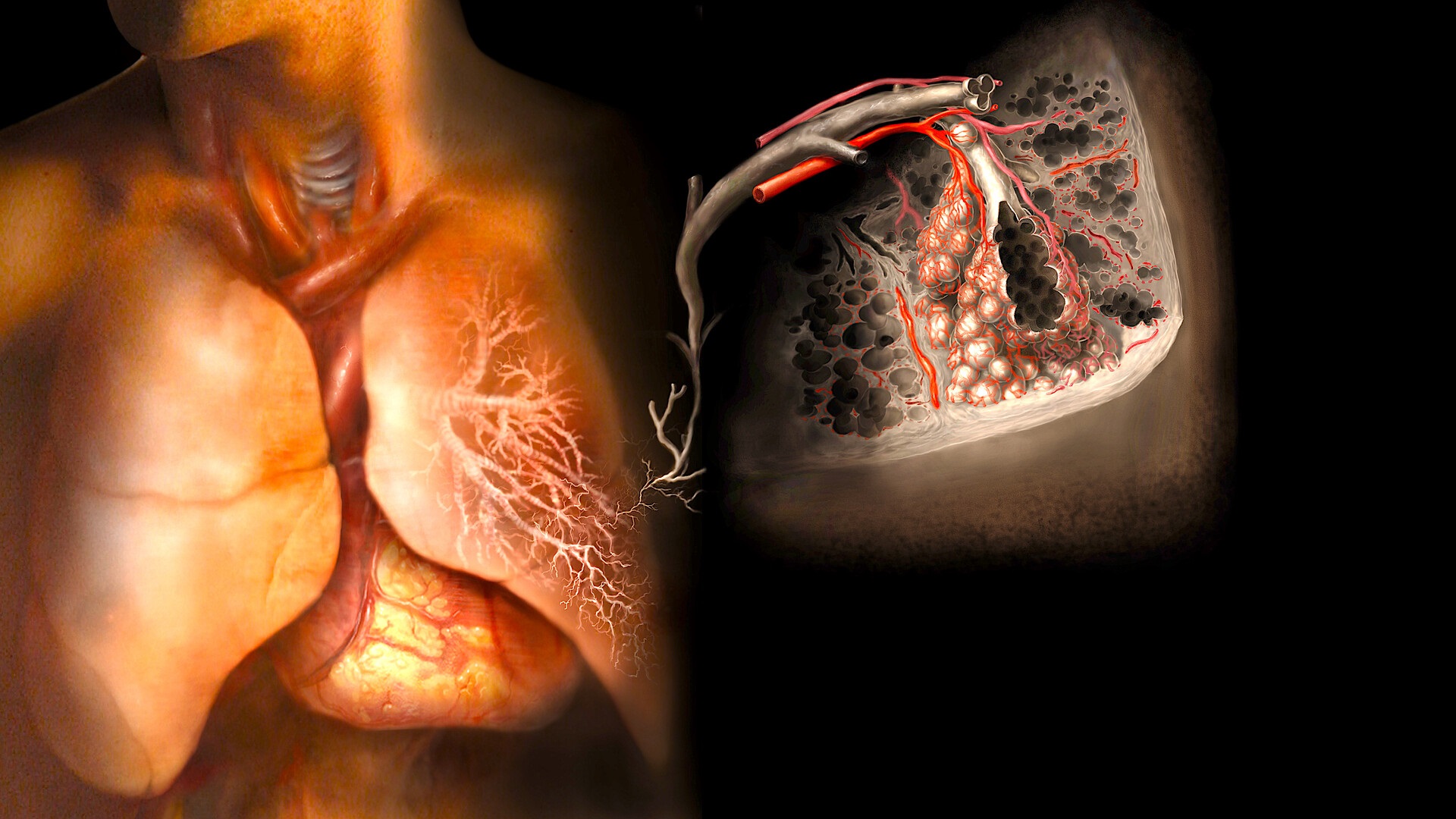
Living with a chronic respiratory condition brings daily health challenges. Consequently, learning to manage your lungs becomes a necessary top priority. Many adults spend years battling recurrent respiratory infections before receiving a proper diagnosis. Because symptoms frequently mirror asthma or COPD, accurate medical identification takes time. However, proper care transforms your everyday wellness significantly. Therefore, understanding your body allows you to regain active control. When living with bronchiectasis, following a custom care plan helps you breathe much easier every day.
Understanding the Challenges of Living with Bronchiectasis
Bronchiectasis alters the structural integrity of your bronchial tubes. As a result, the airway walls widen and thicken over time. This architectural change prevents your lungs from clearing mucus naturally. Thus, excess fluid builds up inside the chest cavity. Bacteria thrive inside trapped mucus, so lung infections recur repeatedly. Furthermore, chronic inflammation damages delicate tissue across successive months.
Many patients experience frequent bouts of severe bronchitis or pneumonia. For instance, individuals often receive antibiotic prescriptions without an underlying structural explanation. While temporary treatment offers immediate relief, the root damage persists quietly. Eventually, a specialized chest scan reveals the true cause behind the ongoing struggle. Recognizing these structural shifts is the first essential step toward permanent relief.
Recognized Symptoms when Living with Bronchiectasis
Recognizing recurring respiratory signs helps you seek early specialist care. Because symptoms develop gradually, patients often adapt to declining lung function without noticing.
- Persistent Mucus Cough: Producing large amounts of daily sputum.
- Shortness of Breath: Feeling winded during simple physical tasks.
- Chronic Fatigue: Feeling constantly tired from breathing exertion.
- Frequent Infections: Experiencing multiple chest infections yearly.
- Chest Tightness: Experiencing dull aching across the ribs.
Consequently, identifying these symptoms early prevents cumulative structural damage. Seeking an accurate diagnostic scan protects long-term lung functionality effectively.

Navigating Treatment Plans when Living with Bronchiectasis
Managing a long-term pulmonary condition requires personal adjustments. Therefore, working closely with a trusted pulmonologist remains paramount. Doctors design personalized schedules that clear accumulated mucus thoroughly. Although intensive routines take effort, staying consistent yields huge daily benefits.
In corporate therapy plans, nebulizers dilate airways and thin stubborn mucus to clear passages for easier breathing. Airway clearance vests vibrate the chest wall to loosen deep secretions, significantly reducing daily coughing strain. Additionally, targeted physical exercises strengthen the diaphragm to increase lung capacity and overall stamina, while dedicated hydration protocols liquefy mucus for smoother daily clearance.
Moreover, modern medical devices have revolutionized personal home care. High-frequency chest wall oscillation vests gently loosen stubborn secretions. Thus, patients spend less time coughing and more time enjoying active lives. Adapting therapies to fit your daily schedule ensures steady adherence without burnout.
Essential Daily Habits for Living with Bronchiectasis
Daily routines form the foundation of lung preservation. Because clean air protects vulnerable tissues, maintaining a clean home environment helps immensely. High-efficiency air filters remove dust, pollen, and dangerous airborne irritants. Similarly, staying properly hydrated keeps mucus thin and manageable.
Additionally, gentle daily movement strengthens respiratory muscles. Walking, swimming, or lightweight training improves overall stamina. As breathing efficiency increases, everyday activities demand less physical effort. Consequently, staying active boosts mental health while safeguarding vital lung capacity.
Working With Specialists While Living with Bronchiectasis
Partnering with medical professionals guarantees optimal long-term outcomes. Therefore, scheduling regular check-ups monitors overall structural stability. Pulmonologists adjust medicine dosages as seasonal changes alter respiratory health. Furthermore, routine sputum cultures detect harmful bacteria before severe infections spark.
Open communication allows doctors to modify demanding daily schedules. If nebulizer sessions disrupt work commitments, alternative devices offer efficient compromises. Hence, working collaboratively ensures your plan stays practical, protective, and sustainable.
Long-Term Outlook for Living with Bronchiectasis
Sustaining respiratory wellness demands patience and unwavering dedication. However, active management drastically reduces emergency hospital visits. By prioritizing bronchial hygiene, patients experience renewed energy and stamina. Simple joys, like conversing comfortably or laughing freely, become daily reality once again.
Taking direct control of your therapy empowers daily life. Consistent airway clearance preserves valuable functional tissue for decades. With expert medical guidance and structured care, living with bronchiectasis becomes a manageable aspect of a vibrant life.