A healthy mouth supports more than a confident smile. It can also make eating, speaking, and daily life more comfortable. As people age, however, changes in the gums, teeth, saliva, medications, and physical abilities can make oral care harder. That is why healthy teeth for life require steady attention at every stage of adulthood. Fortunately, many common dental problems can be prevented or managed. Regular brushing, cleaning between the teeth, a balanced diet, and routine dental visits can protect your mouth. At the same time, older adults should pay attention to changes such as dry mouth, bleeding gums, tooth sensitivity, loose teeth, or problems with dentures.
The Centers for Disease Control and Prevention notes that oral health problems can become more common with age. Receding gums, lower saliva production, and difficulty brushing or flossing can all increase the risk of cavities and gum disease. Therefore, dental care should remain part of a wider healthy-aging routine. Small daily habits can make a major difference over time.
Healthy Teeth for Life Start with Daily Oral Care
Good dental care begins at home. However, an effective routine does not need to be complicated. Consistency matters most. Start by brushing your teeth twice a day with fluoride toothpaste. Use a soft-bristled toothbrush and brush gently along the teeth and gumline. Hard brushing can irritate the gums, especially when gums have receded. Next, clean between your teeth once a day. Floss can work well, but some older adults may find traditional floss difficult to handle. In that case, a water flosser, interdental brush, or other dental cleaning aid may be easier.
Furthermore, take time to clean the tongue gently. This can help remove bacteria and keep the mouth feeling fresh. Older adults who have arthritis, limited hand movement, poor vision, or other physical challenges may need extra support. An electric toothbrush with a larger handle can make brushing easier. A dentist or dental hygienist can also suggest tools that match a person’s needs. The CDC recommends brushing twice daily, cleaning between teeth every day, limiting added sugar, and having regular dental care.
Most importantly, do not stop oral care simply because you have lost some teeth. The gums, tongue, and remaining teeth still need attention.
Protect Your Gums from Disease
Gum health becomes increasingly important with age. Plaque can collect around the gumline and cause inflammation. At first, this may appear as red, swollen, or bleeding gums. However, untreated gum disease can progress and damage the tissues and bone supporting the teeth. The CDC reports that periodontitis becomes more common with age. The condition can contribute to tooth loss, but professional treatment can slow and manage it.
Therefore, do not ignore bleeding while brushing or flossing. Persistent bleeding deserves a dental checkup. Likewise, loose teeth, painful chewing, gum recession, or changes in the way your teeth fit together should receive professional attention. Smoking can also increase the risk of gum disease. Diabetes is another important factor. People with diabetes can face a higher risk of gum problems and untreated cavities.
Good nutrition also matters. A balanced diet gives the body nutrients needed to support healthy tissues. At the same time, reducing frequent sugary foods and drinks can help lower the risk of tooth decay. With regular home care and professional cleanings, older adults can take practical steps toward healthy teeth for life.
Managing Dry Mouth in Older Adults
Dry mouth is another common concern for older adults. It happens when the mouth does not produce enough saliva. While dry mouth is not simply a normal part of aging, it can occur because of medications, dehydration, certain health conditions, or medical treatments. Saliva plays an important role in oral health. It helps keep the mouth moist and supports the natural protection of tooth surfaces. When saliva decreases, the risk of tooth decay and other mouth problems can increase.
Many commonly used medicines can contribute to dry mouth. These include some medicines used for allergies, high blood pressure, depression, and other conditions. Therefore, older adults should tell their dentist about all medicines they take. However, never stop or change a prescribed medicine without speaking with the prescribing healthcare professional.
Drinking water regularly can help maintain moisture. Sugar-free gum may also encourage saliva flow for some people. A dentist or doctor may recommend artificial saliva or another treatment when needed. Dry mouth can also make dentures uncomfortable. Reduced moisture may cause dentures to rub against the gums or roof of the mouth. As a result, people who wear dentures should mention persistent discomfort during dental visits.
Healthy Teeth for Life Include Regular Dental Visits
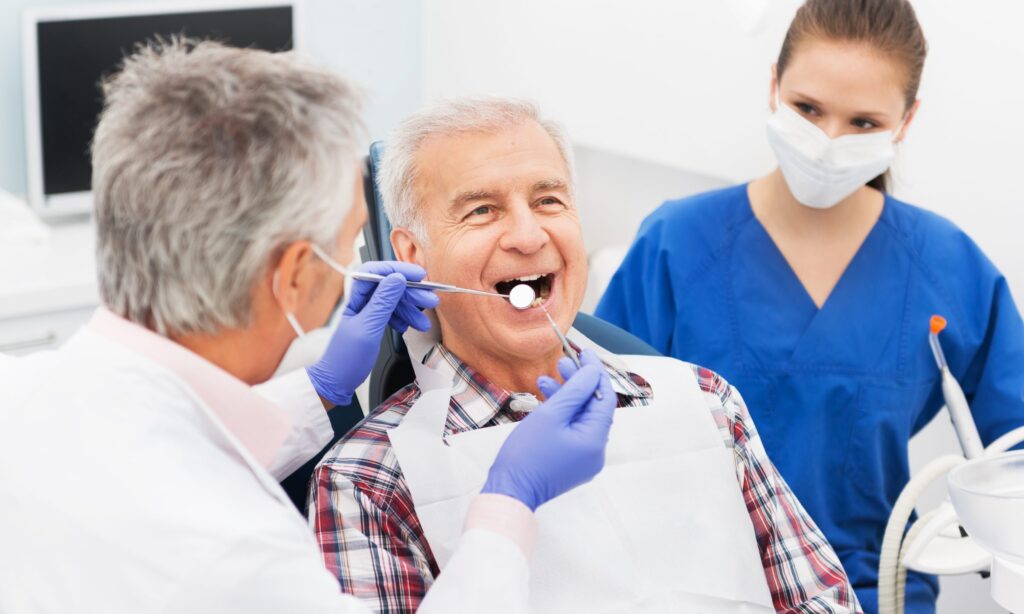
Home care is important, but it cannot replace professional dental care. A dentist can identify problems that may not be obvious at home. Early attention can also help prevent a small issue from becoming a major one. Regular dental visits allow professionals to check for cavities, gum disease, damaged teeth, and changes in the mouth. They can also assess dentures and recommend cleaning or treatment options. The CDC recommends that adults visit a dentist at least once a year, even when they wear dentures or have lost all or most natural teeth.
Moreover, some people need visits more often. The right schedule depends on dental history, gum health, medical conditions, medications, and individual risk. Older adults should also report new symptoms rather than waiting for the next routine appointment. Tooth pain, swollen gums, loose teeth, mouth sores, persistent bad breath, or poorly fitting dentures may need attention.
Regular visits are especially useful because some dental conditions can develop without strong symptoms. A professional examination can detect these changes earlier.
Caring for Dentures the Right Way
Dentures can restore function and help people eat and speak more comfortably. However, they still require daily care. Clean dentures every day according to your dentist’s instructions. Remove them when advised and give your mouth time without them, especially at night when appropriate. Proper cleaning can help reduce buildup and lower the risk of mouth infections.
The CDC specifically advises older adults to clean dentures daily. It also notes that wearing dentures can increase the risk of fungal infections in the mouth. At the same time, check how your dentures feel. A denture that becomes loose, painful, or difficult to use may need adjustment. Do not try to make major changes yourself.
Even people without natural teeth should continue dental visits. The dentist can examine the gums, oral tissues, and fit of the dentures. Regular checks also provide an opportunity to identify unusual changes in the mouth. For caregivers, denture care should become part of the person’s daily routine when assistance is needed.
Nutrition and Oral Health Work Together
Eating well supports both general health and oral health. Older adults may sometimes avoid certain foods because of missing teeth, painful gums, or poorly fitting dentures. Over time, this can make it harder to maintain a balanced diet. Therefore, dental problems should not be treated as minor inconveniences. Tooth loss can affect eating, speaking, self-esteem, and quality of life. The CDC identifies cavities and periodontitis among the leading causes of tooth loss.
Choose foods that provide useful nutrients while limiting frequent exposure to added sugars. Water can also be a good choice throughout the day, particularly when sugary drinks are replaced with it. However, dietary needs vary from person to person. Older adults with medical conditions or special nutritional needs should follow guidance from their healthcare professionals.
Good oral care also makes healthy foods easier to enjoy. When teeth and dentures function well, people may have more options at mealtimes.
Small Changes Can Support Healthy Teeth for Life
Aging can bring changes, but it does not mean dental problems are unavoidable. Instead, older adults can adjust their routines as their needs change. For example, someone with reduced hand strength may benefit from an electric toothbrush. Someone with dry mouth may need more attention to hydration and professional advice. A person with dentures may need a more structured cleaning routine.
Caregivers can also play an important role. The CDC notes that caregivers may help older adults brush and floss when physical or cognitive challenges make independent care difficult. Communication is equally important. Tell the dentist about changes in medications, medical conditions, eating habits, or daily oral care. These details can help the dental team create a more suitable care plan. Most importantly, make oral care a routine rather than something done only when pain appears. Prevention usually starts with simple actions repeated every day.
Watch for Warning Signs
Older adults should take new oral symptoms seriously. Some problems may be easy to dismiss at first. However, early attention can lead to faster evaluation and treatment. Watch for tooth pain, unusual sensitivity, bleeding or swollen gums, loose teeth, persistent bad breath, mouth sores, red or white patches, dry mouth, and changes in denture fit. These signs do not always indicate a serious condition, but they should not be ignored.
For example, gum disease can develop with limited symptoms before becoming more advanced. The CDC lists bleeding gums, gum recession, loose or sensitive teeth, painful chewing, and changes in bite as possible warning signs. Similarly, ongoing dry mouth deserves attention because it can raise the risk of tooth decay and oral discomfort. As a result, older adults should maintain open communication with their dental and healthcare teams. Early evaluation can help identify the cause and determine the next step.
Making Dental Care Easier for seniors
Dental care becomes more manageable when it fits comfortably into everyday life. Keep toothbrushes, toothpaste, flossing tools, and denture supplies in an easy-to-reach place. A simple routine can reduce missed care. For people with memory problems, written reminders or caregiver support may help. For those with limited mobility, adaptive toothbrush handles and other dental aids can make a difference.
In addition, family members can help arrange appointments and keep track of dental recommendations. However, support should respect the person’s independence whenever possible. Cost can also affect access to dental care. When finances are a concern, ask the dental office about payment options, community programs, dental schools, or other available resources. The goal is not perfection. The goal is consistent care that matches the person’s abilities and needs.
A Long-Term Approach to Healthy Teeth for Life
Strong oral health comes from many small habits working together. Brushing twice a day, cleaning between teeth, controlling sugar intake, staying alert to dry mouth, caring for dentures, and visiting the dentist regularly all play a role. At the same time, older adults should remember that oral health connects with wider health. Conditions such as diabetes can affect oral health, while dental problems can make eating and daily activities more difficult.
Therefore, dental care deserves a place alongside other healthy-aging habits. It should not be treated as an optional part of healthcare. With consistent attention and professional guidance, many older adults can continue eating comfortably, speaking clearly, and enjoying their smiles. Healthy teeth for life are supported by prevention, early care, and a routine that can adapt as needs change.