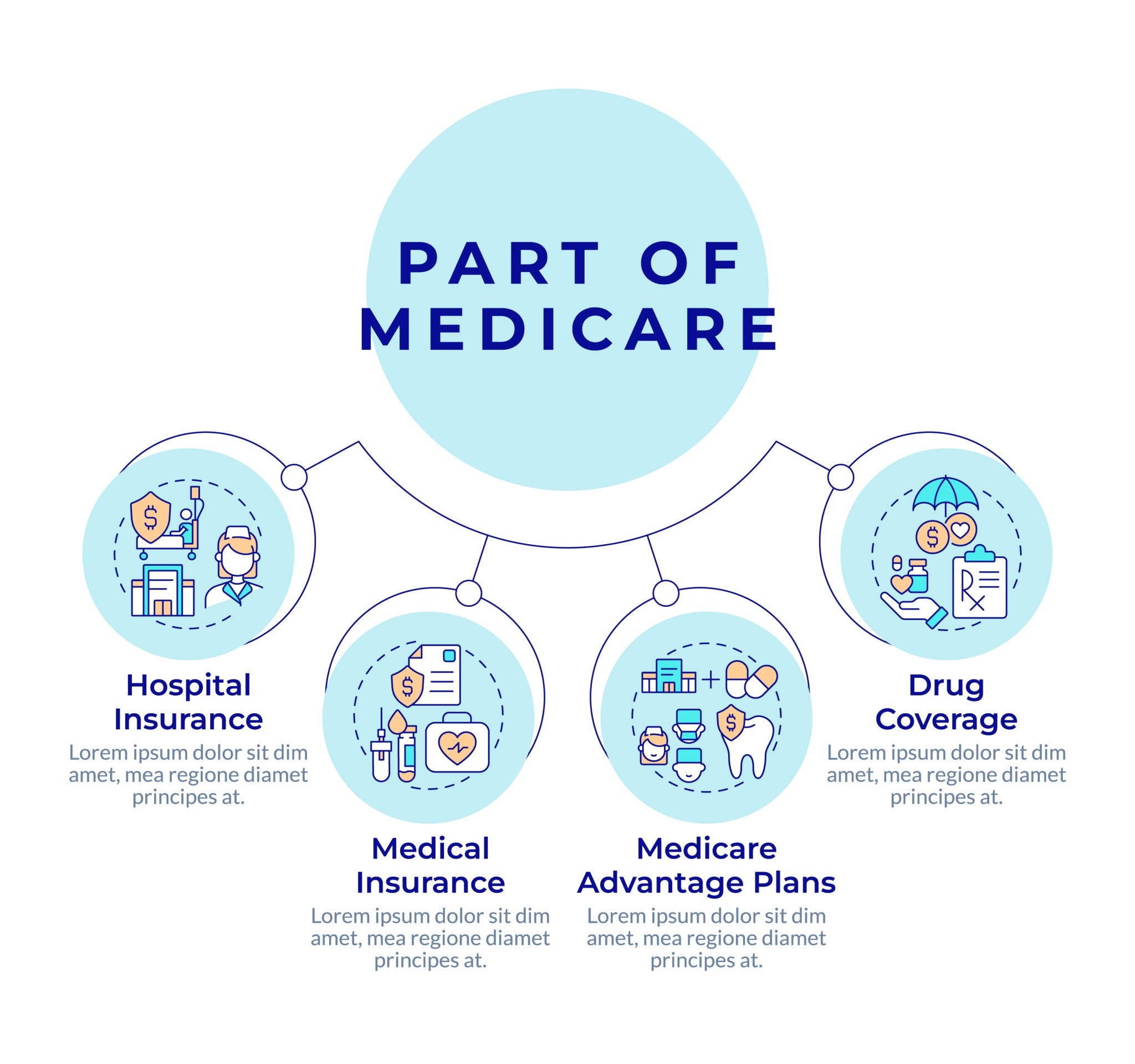
Every fall, millions of beneficiaries prepare to choose their healthcare plans for the upcoming year. The Medicare Annual Enrollment Period runs from October 15 to December 7, giving eligible individuals a dedicated window to update their health coverage. However, navigating this system often creates confusion due to widespread Medicare misconceptions. False assumptions can easily cause people to select inadequate coverage or face unexpected out-of-pocket medical bills. Therefore, evaluating your current needs and double-checking plan details is essential before signing up for new benefits.
1. Routine Dental, Vision, and Hearing Myths
Many beneficiaries naturally assume that basic government health insurance pays for routine body care. Consequently, one of the most frequent Medicare misconceptions involves routine dental, vision, and hearing services. Original Medicare generally does not pay for standard dental checkups, dentures, routine eye exams, eyeglasses, or hearing aids.
Because standard policies exclude these benefits, beneficiaries must search for supplemental options. Many Medicare Advantage plans offer built-in coverage for dental care, vision tests, and hearing support. Alternatively, standalone insurance policies can fill these specific coverage gaps. However, member copays, provider networks, and service limits vary significantly across plans. So, you must read the fine print carefully before enrolling in a plan.
2. Hospital Status and Outpatient Observation
Understanding hospital billing rules can be surprisingly tricky for patients and family members. Another significant area involving Medicare misconceptions revolves around formal hospital admissions. A patient can spend multiple consecutive nights in a hospital bed without ever being officially admitted as an inpatient.
Instead, the hospital may classify the patient as an outpatient receiving observation services. Under Original Medicare, this simple distinction heavily impacts your total medical bill. Furthermore, outpatient status affects whether Medicare will cover subsequent care at a skilled nursing facility. To avoid expensive surprises, patients should explicitly ask doctors whether they are admitted as an inpatient or placed under outpatient observation.

3. Annual Wellness Visits Versus Physical Exams
Preventive care helps keep older adults healthy, yet routine appointment definitions often confuse patients. Many people fall victim to Medicare misconceptions regarding the yearly wellness checkup. An annual wellness visit is completely different from a comprehensive physical examination.
The wellness visit focuses primarily on preventive care planning, reviewing personal medical history, and assessing personal health risks. Therefore, if your healthcare provider performs hands-on diagnostic tests or addresses new medical concerns during that visit, extra fees may apply. Standard deductibles and coinsurance costs will kick in for those extra services. Fortunately, certain Medicare Advantage options provide broader routine physical exams at no additional cost to members.
4. Prescription Drug Plans and Formulary Rules
Managing daily medications requires clear policy terms and proper insurance support. Unfortunately, drug coverage remains plagued by common Medicare misconceptions. Many beneficiaries believe that Original Medicare automatically pays for outpatient prescription drugs, but it does not.
To receive medication benefits, beneficiaries must purchase a standalone Part D plan or choose a Medicare Advantage plan that includes drug coverage. Moreover, every plan maintains its own specific formulary, which is a list of approved medications. Plans also enforce strict network rules, prior authorizations, step therapy requirements, and quantity limitations. Thus, a doctor’s prescription does not guarantee that your specific plan will cover the medication cost.
5. Foreign Travel and Coverage Limitations
Traveling abroad brings excitement, yet health emergencies can happen anywhere at any time. Overseas healthcare coverage is subject to widespread Medicare misconceptions among frequent travelers. Original Medicare provides virtually no coverage for medical expenses incurred outside the United States.
Although certain Medicare Supplement policies and specialized Medicare Advantage plans offer emergency foreign travel care, terms vary widely. Therefore, beneficiaries should always verify their international benefits before departing on a trip. Furthermore, purchasing temporary travel medical insurance offers peace of mind when visiting foreign destinations.
Protect Yourself From Fraud During Enrollment
Beyond clearing up plan misunderstandings, protecting your personal data is vital during enrollment season. Scammers frequently target seniors using unsolicited phone calls, fake letters, and deceptive promotional offers. Therefore, never give your Medicare number, social security details, or banking information to unknown callers.
If you suspect a fraudulent contact attempt, hang up immediately. Next, reach out directly to official organizations using trusted contact details printed on your official insurance card or verified government websites. Working with legitimate counselors ensures your personal information remains safe while you select optimal health coverage.
Smart Enrollment Choices
Selecting proper health insurance requires patient research and careful evaluation. Because health status, provider networks, and drug lists change annually, staying with last year’s plan without reviewing it can lead to unnecessary expenses. Taking time to review plan materials empowers you to secure reliable healthcare coverage that truly fits your personal budget and medical requirements for the coming year.