Breathing problems can develop for many reasons, including asthma, infections, smoking, and long-term lung conditions. However, an inherited disorder called Alpha-1 Antitrypsin Deficiency can also damage the lungs and affect a person’s quality of life. Many people do not recognize this condition because its symptoms often resemble other respiratory illnesses.
Alpha-1 antitrypsin deficiency, commonly known as AATD or Alpha-1, occurs when the body does not produce enough healthy alpha-1 antitrypsin protein. This protein helps protect lung tissue from damage. Consequently, people with the condition may face a greater risk of emphysema and chronic obstructive pulmonary disease (COPD). Early recognition, proper testing, and suitable medical care can help people manage symptoms and protect their remaining lung function.
What Is Alpha-1 Antitrypsin Deficiency?
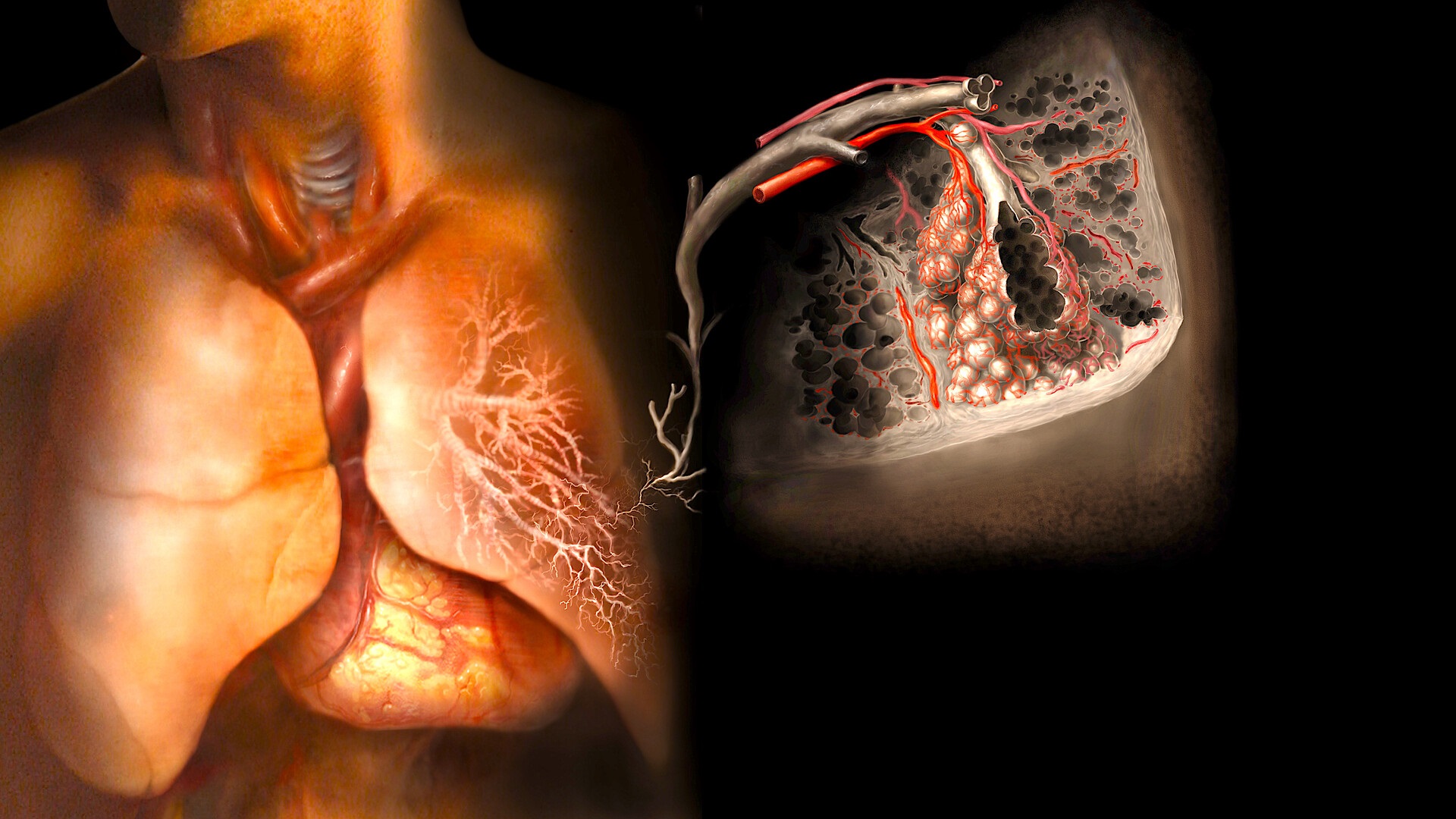
Alpha-1 Antitrypsin Deficiency is an inherited condition caused by changes in the SERPINA1 gene. This gene provides instructions for making alpha-1 antitrypsin, a protein produced mainly by the liver. The protein travels through the bloodstream and helps protect the lungs from enzymes that can damage delicate lung tissue. When the body produces too little functional protein, the lungs become more vulnerable to injury. Over time, this damage may lead to emphysema, a condition that affects the air sacs responsible for exchanging oxygen and carbon dioxide. Some people also develop bronchiectasis, which involves damaged and widened airways.
Furthermore, abnormal protein can build up in the liver in certain forms of the disorder. As a result, AATD may affect both the lungs and the liver, although the symptoms and severity vary from person to person. Some people remain symptom-free for many years, while others develop problems earlier in life.
What Lung Symptoms Should You Watch For?
Respiratory symptoms often develop gradually, which can make them easy to overlook. Nevertheless, persistent or worsening breathing problems deserve medical attention, especially when they occur alongside a family history of lung disease.
Common symptoms include:
- Shortness of breath, particularly during physical activity.
- A long-lasting cough, sometimes with mucus.
- Wheezing or a whistling sound while breathing.
- Frequent respiratory infections.
- Tiredness and reduced exercise tolerance.
- Chest discomfort or difficulty completing everyday activities.
These symptoms do not automatically indicate AATD. Asthma, COPD, and other respiratory conditions can cause similar problems. Therefore, a healthcare professional must consider the person’s medical history and test results before reaching a diagnosis. In addition, people who develop emphysema at a younger age than expected should discuss possible inherited causes with their doctor. The same applies to individuals who develop COPD despite never smoking or who have close relatives with AATD.
Why Does Alpha-1 Antitrypsin Deficiency Develop?
Alpha-1 Antitrypsin Deficiency develops because of inherited genetic changes. A person receives one copy of the SERPINA1 gene from each parent. Certain combinations of gene variants can lead to low levels of alpha-1 antitrypsin or prevent the protein from working properly. However, inheriting these variants does not mean that every person will experience the same health problems. The type of genetic change, protein levels, smoking history, and environmental exposures can all influence disease severity.
Smoking is a particularly important risk factor because it increases lung irritation and damage. Secondhand smoke, workplace dust, chemical fumes, and air pollution may also worsen respiratory health. Consequently, avoiding tobacco smoke and reducing harmful environmental exposures can help protect lung function. Although people cannot change their inherited genes, they can take steps to reduce additional lung damage. Understanding family history and discussing concerns with a healthcare professional can also help identify people who may benefit from testing.
How Is Alpha-1 Antitrypsin Deficiency Diagnosed?
Alpha-1 Antitrypsin Deficiency can be difficult to identify because its symptoms often resemble common lung diseases. As a result, some people experience respiratory problems for years before receiving the correct diagnosis. Doctors may recommend testing for people with COPD, unexplained emphysema, certain liver conditions, or a close family member diagnosed with AATD. Testing may also be appropriate when respiratory disease develops unusually early. A blood test measures the level of alpha-1 antitrypsin in the bloodstream. When the result suggests a deficiency, genetic testing can help identify the relevant gene variants and confirm the diagnosis.
Doctors may also use spirometry or other lung function tests to measure airflow and assess breathing capacity. Depending on the person’s symptoms, they may recommend chest imaging to examine lung damage. Liver blood tests or imaging may be necessary when liver involvement is suspected. Importantly, a healthcare professional should interpret these results together. A single test does not provide a complete picture of the condition or determine every person’s future health needs.
What Treatment Options Can Help Protect Lung Health?
There is currently no cure for AATD. However, several treatment options can help manage respiratory symptoms, support daily activity, and slow further damage in appropriate cases. Doctors may prescribe inhaled medicines that relax airway muscles and improve airflow. They may also recommend pulmonary rehabilitation, a supervised program that combines exercise, breathing strategies, and education. For people with low blood oxygen levels, oxygen therapy may provide additional support.
Some patients with severe AATD-related lung disease may qualify for augmentation therapy. This treatment delivers purified alpha-1 antitrypsin protein through a vein. For eligible patients, it can help slow the progression of lung tissue damage, although it cannot reverse damage that has already occurred. Specialists assess eligibility based on factors such as protein levels, lung disease, and clinical guidance. In advanced cases, a specialist may discuss surgical options or lung transplantation. Treatment plans should always reflect the patient’s symptoms, test results, overall health, and individual needs.
How Can Daily Habits Support Better Breathing?
Healthy daily habits play an important role in managing long-term lung conditions. First, people with AATD should avoid smoking and secondhand smoke. Quitting tobacco can reduce further lung injury and support better respiratory health. Next, reducing exposure to dust, fumes, and other airborne irritants can help limit breathing problems. People who work around chemicals or industrial dust should discuss suitable protective measures with their healthcare providers.
Regular physical activity can also help maintain strength and stamina. However, the exercise plan should match the person’s breathing capacity and medical condition. Pulmonary rehabilitation may offer useful guidance for those who struggle with everyday activities. Additionally, following the recommended vaccination schedule and seeking timely care for respiratory infections can support overall health. Regular medical appointments allow doctors to monitor lung function, review symptoms, and adjust treatment when necessary.
Finally, people with AATD should discuss liver health with their doctors. Because the condition can affect the liver as well as the lungs, monitoring should address both organs when appropriate. People with liver involvement should also ask their healthcare professional about alcohol use and medicines that may affect liver function.
When Should You Speak With a Healthcare Professional?
Persistent coughing, unexplained breathlessness, wheezing, or repeated chest infections deserve attention. These symptoms may have many causes, but early evaluation can help identify the right treatment and prevent delays in care. People with a family history of AATD should ask whether testing is appropriate. Similarly, anyone diagnosed with COPD or emphysema should discuss inherited causes with their healthcare professional when relevant. Seek emergency medical care for severe or sudden breathing difficulty, blue or grey lips, confusion, or significant chest pain.
Understanding Alpha-1 Antitrypsin Deficiency can help patients recognize warning signs and take an active role in their care. With appropriate testing, regular monitoring, and a personalized treatment plan, many people can manage their symptoms and maintain a better quality of life.