
As temperatures change and families spend more time indoors, respiratory illnesses can spread more easily. Therefore, preparing your household for cold and flu season is an important part of protecting everyone’s health. Children, older adults, and people with certain medical conditions may face a higher risk of serious illness. However, simple daily habits and a little planning can help families manage this period with greater confidence.
Preparation does not require expensive products or complicated routines. Instead, families can focus on vaccination, good hygiene, healthy meals, proper rest, and a well-stocked medicine cabinet. Moreover, planning ahead can reduce stress when someone develops a cough, fever, or sore throat. With a few practical steps, parents can create a healthier home environment and help children learn habits that support their well-being throughout the year.
1. Get Ready for Cold and Flu Season With Vaccination
Vaccination is one of the most important ways to reduce the risk of seasonal influenza and its potentially serious complications. The U.S. Centers for Disease Control and Prevention (CDC) recommends annual flu vaccination for everyone aged six months and older, with rare exceptions. Therefore, parents should review their family’s vaccination needs before influenza begins to spread widely in their community. Contact a healthcare professional or local vaccination provider to discuss the appropriate vaccine and timing for each family member. In addition, check whether children need any other routine vaccinations.
Although a flu vaccine cannot prevent every respiratory infection, it can reduce the risk of influenza and help lower the chance of severe illness. Remember that the flu vaccine does not protect against every common cold virus or all other respiratory illnesses. Families should also stay informed about current public health recommendations. By making vaccination part of their annual healthcare routine, parents can take an important step toward protecting themselves and their loved ones.
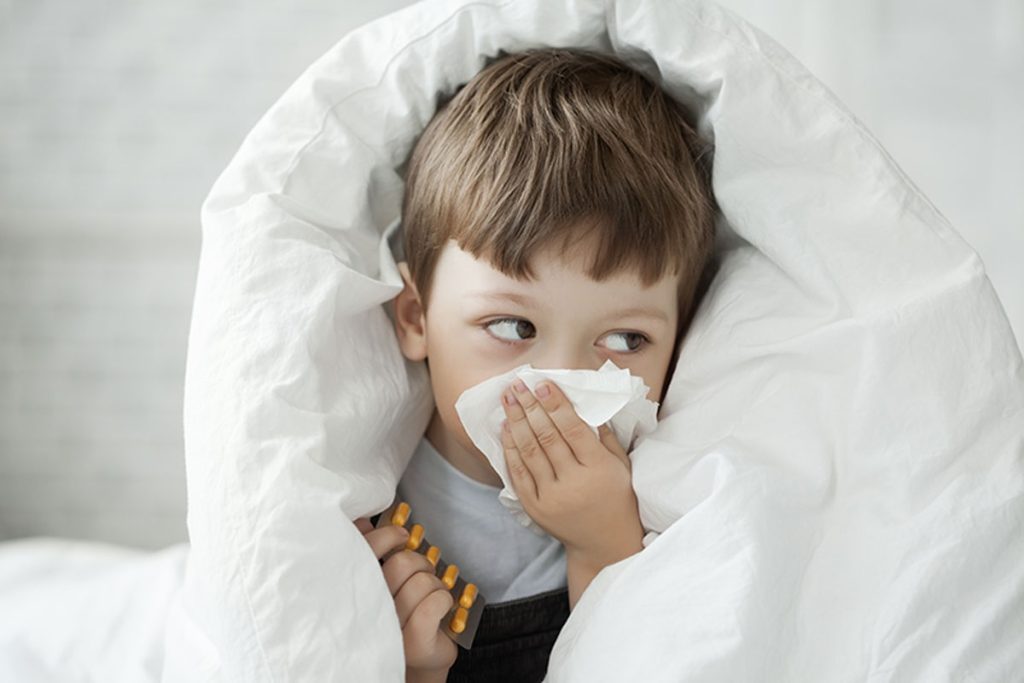
2. Stock Up on Essential Cold and Flu Supplies
When someone becomes ill, visiting a crowded shop may feel difficult. Consequently, preparing a small home health kit before symptoms appear can make recovery more comfortable and convenient. Start with basic supplies such as a digital thermometer, tissues, soap, hand sanitizer, and disposable waste bags. You may also keep oral rehydration products or other suitable fluids available, depending on your family’s needs. However, choose medicines carefully and consult a pharmacist or healthcare professional when necessary.
For example, some families keep commonly used fever or pain relief medicines at home. Nevertheless, the correct product and dose depend on a person’s age, weight, health conditions, and other medicines. Never give children adult medicines or use multiple products containing the same active ingredient without checking the labels. Additionally, review the expiry dates and storage instructions for every item. Store medicines safely away from young children and pets. A simple checklist can help you identify missing supplies and avoid unnecessary purchases. Finally, make sure everyone in the household knows where the health kit is stored. A little preparation can save time and reduce worry when illness strikes.
3. Make Handwashing a Daily Family Habit
Germs can spread when people touch contaminated surfaces and then touch their eyes, nose, or mouth. They can also spread through respiratory particles released when an infected person coughs, sneezes, or talks. Therefore, good hand hygiene remains an important part of family illness prevention. Teach children to wash their hands with soap and clean, running water for at least 20 seconds. Encourage them to clean their hands before eating, after using the bathroom, after coughing or sneezing, and after returning home from school or outdoor activities.
Meanwhile, parents should set a positive example. Children often copy the behavior they see at home, so consistent habits can make hygiene feel like a normal part of everyday life. When soap and water are unavailable, an alcohol-based hand sanitizer containing at least 60% alcohol can provide a useful alternative. However, supervision is important when young children use sanitizer. You can also make handwashing more enjoyable by singing a short song or using a simple reminder chart. As a result, children may become more willing to follow the routine without constant reminders.
4. Support Healthy Habits During Cold and Flu Season
A healthy lifestyle helps the body function properly and supports normal immune function. Although no food or supplement can guarantee protection from infection, consistent habits can help family members maintain their overall health. First, offer balanced meals that include vegetables, fruits, whole grains, protein-rich foods, and other nutritious ingredients. For example, eggs, beans, lentils, yogurt, fish, and nuts can provide useful nutrients, depending on individual dietary needs.
Next, encourage regular physical activity. Walking, cycling, dancing, and outdoor games can help children and adults stay active. Even short periods of movement can be useful when they form part of a consistent routine. Sleep is equally important. Children generally need more sleep than adults, and their requirements change with age. Therefore, establish regular bedtimes and reduce stimulating screen use before sleep.
In addition, make time for relaxation and family activities. Reading together, playing board games, or enjoying a quiet evening can help reduce everyday stress. Rather than relying on quick fixes, focus on habits that your family can maintain over time. A balanced routine supports general well-being and helps everyone feel better prepared for seasonal health challenges.
5. Keep Your Home Clean and Well Ventilated
During cold and flu season, families may spend more time indoors. Consequently, maintaining a clean home and improving indoor air quality can help reduce exposure to respiratory viruses. Begin by cleaning frequently touched surfaces, including door handles, light switches, remote controls, phones, and kitchen counters. Follow product instructions when using household cleaners, and never mix cleaning chemicals. Pay particular attention to shared surfaces when someone at home is unwell.
Ventilation also matters. Whenever practical, open windows or doors to bring in fresh outdoor air. If suitable for your home, consider using an air purifier with an effective filter. These measures can help reduce airborne particles, although they cannot eliminate every risk. Furthermore, clean shared household items regularly and avoid sharing cups, utensils, or personal towels with someone who is sick. Wash used bedding and clothing as needed, following their care instructions. However, there is no need to turn cleaning into an exhausting daily task. Focus on high-touch surfaces, regular ventilation, and practical hygiene routines. These manageable steps can help create a more comfortable environment for everyone.
6. Teach Children to Cover Coughs and Sneezes
Children may not always recognize when they are spreading germs. Therefore, teaching simple respiratory hygiene is an important part of preparing for cold and flu season. Encourage children to cover their mouth and nose with a tissue when coughing or sneezing. They should place used tissues in a bin and wash their hands afterward. When a tissue is unavailable, coughing or sneezing into the inside of the elbow is preferable to using bare hands.
Additionally, explain why they should avoid touching their eyes, nose, and mouth with unwashed hands. Use calm, age-appropriate language so children understand the purpose of these habits rather than feeling frightened about germs. Parents should also remind children to give others space when they feel unwell. If a child develops symptoms, keep them home from school or childcare when appropriate and follow the institution’s illness policy and local health guidance. Adults can reinforce these habits by practicing them consistently. Over time, children can learn to recognize when they need to clean their hands, cover a cough, or ask an adult for help.
7. Prepare a Plan for Sick Days
Even with careful preparation, someone in the family may still become ill. For that reason, having a simple sick-day plan can reduce confusion and help everyone focus on rest and recovery. Start by deciding who will care for a sick child if a parent needs to work. Keep important contact details for your healthcare provider, pharmacy, school, and trusted family members in an accessible place. Next, plan for basic household needs. Keep easy-to-prepare meals, drinking water, tissues, and comfortable bedding available. If possible, arrange grocery or medicine deliveries in advance so that unnecessary trips are less likely when someone feels unwell.
It is also helpful to discuss how family members can reduce close contact with the person who is sick. Improve ventilation, clean frequently touched surfaces, and avoid sharing personal items. A well-fitting mask may offer additional protection in some situations, particularly when caring for someone with a respiratory infection. According to the CDC, people with respiratory symptoms should generally stay home and away from others until their symptoms improve overall and they have been fever-free for at least 24 hours without fever-reducing medicine. Additional precautions are recommended for the following five days. Follow local guidance and seek medical advice when needed. A clear plan makes it easier to respond calmly while protecting other household members.
8. Ask Your Pharmacist or Healthcare Provider for Advice
Choosing suitable products for a cold or flu can be confusing, especially when several family members have different symptoms and healthcare needs. Therefore, a pharmacist or healthcare provider can help you make informed decisions. Before purchasing medicine, explain the person’s symptoms, age, existing health conditions, allergies, and current medications. This information can help the professional identify suitable options and possible interactions.
Parents should take particular care when selecting medicines for children. Some over-the-counter cough and cold products are not appropriate for young children, and combination medicines may contain ingredients that are unnecessary or unsafe for a particular person. Moreover, antibiotics do not treat viral infections such as the common cold or influenza. Use them only when a healthcare professional determines that they are appropriate for a bacterial infection.
Seek prompt medical attention for warning signs such as difficulty breathing, chest pain, confusion, severe dehydration, or symptoms that improve and then become significantly worse. Babies, older adults, pregnant people, and those with underlying medical conditions may need early medical advice because they can face a higher risk of complications. When in doubt, ask a qualified professional instead of relying solely on online advice or self-medication.
Preparing your household for cold and flu season starts with simple, consistent actions. Annual flu vaccination, regular handwashing, balanced meals, adequate sleep, and good indoor hygiene can all contribute to better family health. Meanwhile, keeping essential supplies ready and planning for sick days can make unexpected illnesses easier to manage.
Most importantly, encourage every family member to take part in these routines. Children learn through example, while adults benefit from having a clear and practical plan. Although no strategy can prevent every infection, thoughtful preparation can reduce some risks and help families respond more confidently when illness occurs. By making prevention a shared responsibility, your household can approach the colder months with greater awareness, comfort, and peace of mind.