Enhanced Detection in Bladder Cancer Care plays an important role in finding bladder cancer earlier and improving treatment success. Bladder cancer can develop silently, and many patients may not notice clear symptoms in the beginning. Therefore, better detection methods help doctors identify changes sooner and provide suitable care at the right time.
Moreover, advances in medical technology have changed how healthcare professionals approach bladder cancer. Today, improved testing methods, better imaging tools, and advanced diagnostic techniques support faster and more accurate results. As a result, patients can receive more personalized treatment plans based on their condition.
Bladder cancer remains one of the most common cancers affecting the urinary system. However, early identification can make a significant difference in managing the disease. Because of this, healthcare experts continue to focus on improving detection methods and creating better patient outcomes.
Why Enhanced Detection in Bladder Cancer Care Matters
The importance of Enhanced Detection in Bladder Cancer Care comes from its ability to identify cancer at an earlier stage. Early diagnosis often provides more treatment choices and may help reduce complications. In addition, it allows doctors to monitor disease changes more effectively.
Traditional testing methods have helped many patients over the years. However, modern detection approaches offer additional support by providing clearer information about cancer development. For example, advanced imaging and laboratory techniques can help healthcare teams understand the condition more accurately.
Furthermore, early detection helps doctors create treatment strategies that match the patient’s specific needs. Every bladder cancer case can be different. Therefore, having detailed information about the disease allows specialists to make better decisions.
Patients also benefit from improved communication and awareness. When people understand the warning signs and importance of regular medical checks, they are more likely to seek professional advice earlier.
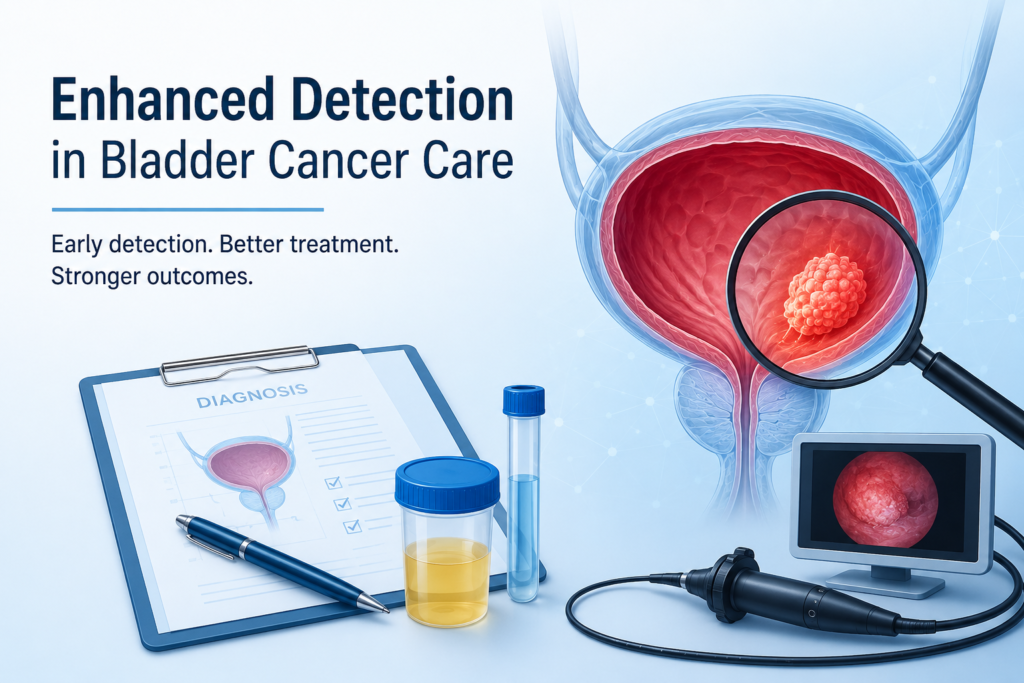
Advanced Methods Supporting Better Bladder Cancer Diagnosis
Medical progress has introduced several tools that support improved bladder cancer diagnosis. These methods help doctors detect abnormal changes inside the bladder and evaluate the condition more carefully.
One important advancement is the use of improved imaging technology. These tools allow healthcare providers to view the bladder with greater detail. As a result, doctors can identify suspicious areas and plan further evaluation.
Additionally, laboratory testing has become more advanced. New approaches can help detect signs linked with bladder cancer and support traditional diagnostic methods. Although no single test can replace complete medical evaluation, combining different techniques can improve accuracy.
Another important factor is continuous research. Scientists and healthcare professionals are working to develop new ways to detect bladder cancer earlier. Therefore, future improvements may provide even more effective solutions for patients.
The Role of Early Detection in Bladder Cancer Treatment
Early diagnosis can strongly influence bladder cancer treatment decisions. When doctors identify cancer before it progresses, patients may have more options available. Therefore, Enhanced Detection in Bladder Cancer Care supports better planning and improved management.
Treatment may include different approaches depending on the cancer stage, patient health, and other medical factors. Doctors may recommend procedures, medications, or ongoing monitoring based on individual needs.
Moreover, early detection can help reduce the risk of cancer spreading. When the disease is identified quickly, healthcare teams can respond faster and create a focused treatment plan.
Regular checkups and awareness of symptoms also support early action. Symptoms such as blood in urine, frequent urination, or changes in urinary habits should not be ignored. Instead, people should discuss concerns with healthcare professionals.
How Technology Is Changing Bladder Cancer Care
Technology continues to transform modern healthcare. In bladder cancer care, new innovations are helping doctors improve accuracy, speed, and patient support.
For instance, advanced diagnostic systems provide more detailed information than older methods. This allows healthcare teams to understand cancer behavior and make more informed choices.
Furthermore, digital health tools and improved medical systems help doctors track patient progress. These improvements support better follow-up care and long-term monitoring.
As technology continues to develop, Enhanced Detection in Bladder Cancer Care will become even more important. Better tools may help healthcare providers discover cancer earlier and offer more effective treatment options.
Patient Awareness and the Future of Bladder Cancer Detection
Patient awareness is another key part of improving cancer outcomes. Many people delay medical advice because early symptoms may appear mild. However, recognizing possible warning signs can encourage earlier consultation.
Healthcare education helps people understand the value of screenings and medical evaluations. Additionally, regular conversations with healthcare providers can support preventive care.
The future of bladder cancer detection looks promising because research continues to improve diagnostic techniques. With better technology, stronger awareness, and advanced medical approaches, patients may experience better care experiences.
Moving Toward Better Bladder Cancer Care
Enhanced Detection in Bladder Cancer Care represents an important step toward improving diagnosis and treatment. With advanced technology, early testing, and better medical knowledge, healthcare professionals can provide more effective support for patients.
Although bladder cancer remains a serious health concern, progress in detection methods offers new opportunities. Early identification, personalized treatment, and continued innovation can help improve patient outcomes.
Ultimately, awareness and access to modern healthcare services are essential. By focusing on better detection and timely care, the future of bladder cancer management continues to move forward.